
Pests
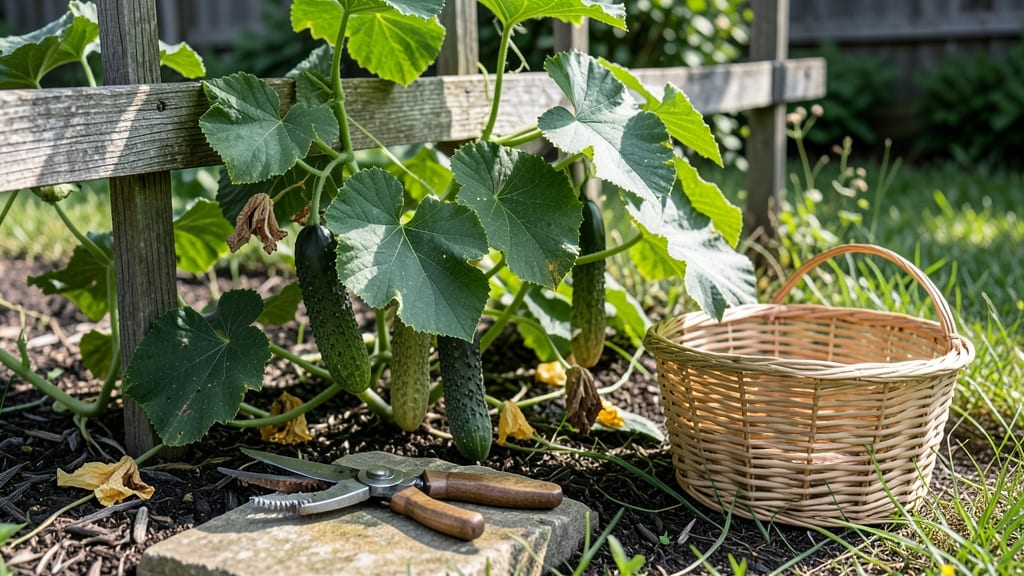
Eating bitter cucumber is generally safe in small amounts, as bitterness often signals natural compounds like cucurbitacins, which may have health benefits but can cause mild stomach upset in sensitive individuals. Discard heavily bitter cucumbers, especially if they taste extremely harsh or cause discomfort.
That bitterness comes from cucurbitacins, compounds cucumbers produce when stressed by heat, drought, or poor soil conditions. 🌱 While these compounds have antioxidant properties, consuming large amounts can trigger nausea or digestive discomfort in some people.
I always recommend cutting a small slice first—if it's only mildly bitter, it's likely safe to eat, but if it's overwhelmingly harsh, it's best to compost it or use it for pickling where the flavor can mellow out.
What's interesting is that some heirloom varieties naturally contain higher levels of these compounds, which is why they sometimes taste more intense. If you're growing your own cucumbers, proper watering and shade during peak heat can help reduce bitterness.
For store-bought cucumbers, check the ends—they often hold the most concentrated bitter compounds.
💡 In This Article
- Why Cucumbers Develop Bitterness and Its Causes
- How to Test and Safely Handle Bitter Cucumbers
Why cucumbers develop bitterness and its causes
The bitterness in cucumbers stems from cucurbitacins, a group of plant compounds produced as a natural defense mechanism. These compounds act like chemical alarms, signaling stress from environmental factors like extreme heat, drought, or poor soil nutrition.
When cucumber plants experience these conditions, they ramp up cucurbitacin production to deter pests and predators. For example, a cucumber grown in 90°F+ temperatures with inconsistent watering can develop up to 50% more of these bitter compounds compared to one grown in ideal conditions.
Genetics also play a crucial role—some heirloom varieties like 'Armenian' or 'Lemon' cucumbers naturally contain higher cucurbitacin levels. These varieties often have a more intense flavor profile, sometimes described as "peppery" or "spicy."
The bitterness is most concentrated near the ends of the cucumber, where the plant's vascular system delivers these compounds first. This is why cutting off ½ inch from both ends can significantly reduce bitterness in mild cases. 🌱
Soil quality affects bitterness too. Cucumbers grown in nitrogen-deficient soil or with inadequate potassium produce more cucurbitacins. The plant essentially "sacrifices" taste quality to prioritize survival. This is why organic farmers often use compost-rich soil and balanced fertilizers to minimize bitterness.
Even store-bought cucumbers may show signs of stress if they've been exposed to inconsistent growing conditions during transport or storage.
What's fascinating is that these bitter compounds aren't just harmful—they have potential health benefits. Cucurbitacins exhibit antioxidant and anti-inflammatory properties in laboratory studies, though their effects in food quantities remain under investigation.
The key is balance: while small amounts may be beneficial, consuming more than 1-2 bitter cucumbers daily could trigger digestive discomfort in sensitive individuals due to their mild laxative effects.
Environmental stress isn't the only factor—light exposure matters too. Cucumbers grown with excessive sunlight can develop a "sunburn" effect that increases bitterness. This is why many commercial growers use shade cloth during peak sunlight hours.
The plant's natural response to UV stress triggers cucurbitacin production as a protective measure. For home gardeners, providing afternoon shade can make a noticeable difference in flavor quality.
Interestingly, bitterness can also develop during storage. Cucumbers left at room temperature for more than 5-7 days begin breaking down sugars and producing stress compounds. This is why refrigerated cucumbers often taste milder—the cold slows metabolic processes that lead to bitterness development.
However, storing them at below 45°F can cause pitting and water loss, so the sweet spot is 45-50°F for optimal flavor preservation.