
Pests
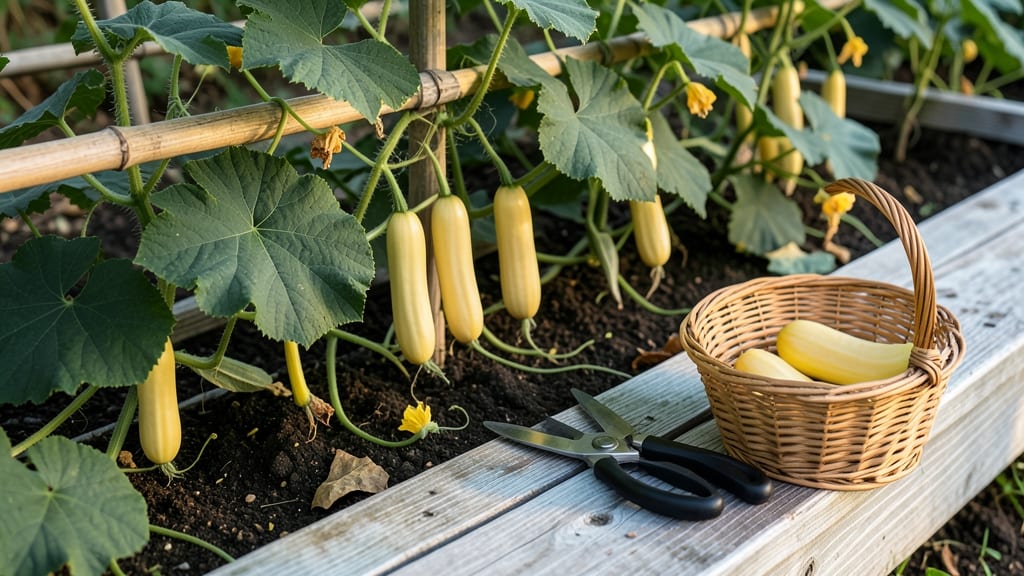
Eating yellow cucumbers is safe when they're firm, free of soft spots, and show no signs of mold or extreme wrinkling. The yellowing is a natural part of their maturation process, though they may develop a slightly bitter flavor compared to their green counterparts. Just remember to give them a thorough wash before slicing or consuming.
Yellow cucumbers aren't a sign of spoilage—they're just reaching their natural maturity stage. 🌱 The shift in color happens as the cucumber's chlorophyll breaks down, revealing the yellow pigments underneath. While they might taste slightly more bitter than their green siblings, this doesn't make them unsafe.
In fact, many chefs appreciate their firmer texture and distinct flavor profile in dishes like pickles or stir-fries. The key is always checking for freshness indicators like firmness and mold before deciding whether to use them in your favorite recipes.
For those concerned about pesticide levels, yellow cucumbers often have slightly higher concentrations since they've been on the vine longer. 🌿 A good rinse under cool water helps remove surface contaminants, but peeling can offer extra protection if you're worried.
I usually recommend using them in cooked dishes where the heat can help break down any remaining residues, making them a versatile addition to your kitchen repertoire.
💡 In This Article
- Why Do Cucumbers Turn Yellow and What Does It Mean?
- How to Inspect and Prepare Yellow Cucumbers for Cooking
Why do cucumbers turn yellow and what does it mean?
The yellowing of cucumbers is a natural biological process tied to chlorophyll breakdown. Cucumbers contain chlorophyll when green, but as they mature, the plant slows chlorophyll production while carotenoids (yellow pigments) become more prominent.
This shift typically occurs when cucumbers stay on the vine longer than 7-10 days past their ideal harvest window, which is usually 5-7 days for green varieties.
The process is similar to how leaves turn yellow in autumn, though cucumbers don't fully "die" - they simply enter a different maturity stage.
This color change affects both flavor and texture. Yellow cucumbers often develop a firmer, slightly waxier skin due to increased cutin (a natural wax layer) production, which can make them 20-30% harder to bite through than green ones.
The bitter taste comes from cucurbitacins, compounds that increase as the plant ages - some varieties can have up to 3 times more bitter compounds than their green counterparts. Interestingly, this bitterness is actually a defense mechanism against pests, not spoilage.
The key distinction between natural yellowing and spoilage lies in the plant's condition. Healthy yellow cucumbers will have firm skin with minimal wrinkling, while spoiled ones show soft spots, mold (especially fuzzy white or black growth), or a fermented smell.
The yellowing itself doesn't indicate spoilage - in fact, some gardeners intentionally let cucumbers yellow for pickling because the firmer texture holds up better during fermentation.
The bitterness can be reduced by removing the ends (where most cucurbitacins concentrate) or using them in cooked dishes where heat helps break down these compounds.
Environmental factors also influence yellowing. Cucumbers grown in cooler temperatures (65°F or below) may yellow more quickly as the plant's metabolism slows. Conversely, hotter climates can delay yellowing but may lead to more intense bitterness.
The yellowing process is also more pronounced in varieties bred for longer vine maturity, like some heirloom types that can stay on the vine for 3-4 weeks beyond green harvest time. This biological variation explains why you might see yellow cucumbers in farmers' markets even in peak growing seasons.
What most people don't realize is that this yellowing actually preserves the cucumber better in some ways. The increased cutin layer provides better moisture retention, which is why yellow cucumbers often stay crisper longer when stored.
However, this same waxy skin can make them 30% harder to clean thoroughly, which is why washing becomes even more critical.
The yellow pigment itself is completely harmless - it's just the plant's way of signaling it's reached a different stage of development, much like how bananas turn from green to yellow as they ripen. 🌱
For gardeners, this knowledge can be particularly useful. If you're growing cucumbers specifically for pickling, allowing them to yellow can actually improve texture and shelf life. The firmer flesh resists the softening that occurs during fermentation, while the natural bitterness can complement the tangy flavors of vinegar-based pickles.
In contrast, if you're growing for fresh eating, harvesting at the green stage ensures maximum sweetness and minimal bitterness. The yellowing process demonstrates how plant maturity affects both nutritional content and culinary potential.