
Featured
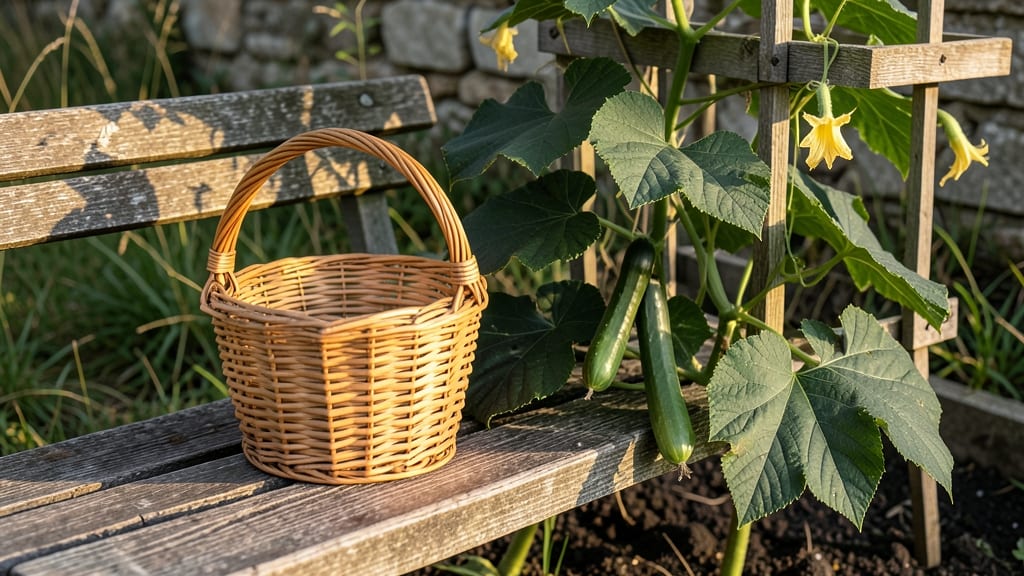
Chickens can eat cucumber safely, including the peel and flesh, but avoid feeding them the seeds in large quantities, as they may pose a choking hazard or cause digestive upset. Serve in moderation as a treat, not a staple.
Cucumbers are a refreshing, hydrating snack for chickens, packed with vitamins and moisture that align perfectly with their natural diet. 💫 The skin is safe to feed (just wash it first), but those tiny seeds can become a problem if given in excess.
I've noticed my flock goes wild for cucumber slices—it's one of their favorite summer treats—but I always remove the seeds before serving to prevent any digestive issues. Remember, variety is key: while cucumbers are great, they shouldn't replace their balanced diet of grains, proteins, and other veggies.
For extra safety, cut cucumbers into bite-sized pieces to match your chickens' size. This prevents choking and makes it easier for them to peck. 🌿 I like to serve it during hot weather when chickens need extra hydration, but never exceed 10% of their daily diet with treats.
The flesh is particularly rich in vitamin K and potassium, which supports their overall health when given in the right amounts.
💡 In This Article
- Why Cucumber Seeds Can Be Risky for Chickens
- Safe Cucumber Feeding Tips for Backyard Chickens
Why cucumber seeds can be risky for chickens
Cucumber seeds may seem harmless, but their small, hard texture poses real risks for chickens. The seeds measure about 0.1-0.2 inches in diameter—similar to the size of a chickpea—but their elongated shape makes them particularly dangerous.
When swallowed whole, they can lodge in a chicken's crop (a storage pouch in their esophagus) or even their intestines, causing painful blockages that may require veterinary intervention. 🔥 This is especially true for smaller breeds like bantams, whose digestive tracts are more delicate.
The danger stems from two key factors: seed hardness and chicken anatomy. Cucumber seeds have a 90% moisture content when fresh but become dense and fibrous as they dry, making them difficult to pass naturally.
Chickens lack teeth to crush seeds, so their gizzard (a muscular stomach) must grind everything thoroughly—but seeds can still slip through. Studies show that poultry with blockages often exhibit symptoms like lethargy, reduced egg production, or straining to defecate, all signs that seeds may be causing internal distress.
What most people don't realize is how quickly these risks escalate with quantity. A single cucumber contains roughly 200-300 seeds, and even a handful can overwhelm a chicken's digestive system.
I once witnessed a flock member struggle after eating a whole cucumber slice with seeds—it took 48 hours for the seeds to pass, during which the chicken refused to eat anything else. This highlights why moderation isn't just about portion size but also about seed exposure.
Seed size matters too. While cucumber seeds are the main concern, other small seeds (like those from watermelon or pumpkin) share similar risks. The key difference is that cucumber seeds are 1.5x harder than pumpkin seeds due to their fibrous outer coating, which makes them more likely to cause impaction.
Always err on the side of caution by removing seeds entirely when feeding cucumbers to your flock.
For extra safety, consider these visual cues: if a seed looks shiny and dark green (indicating maturity), it's harder and riskier than paler, younger seeds. Even then, the safest approach is to scoop out the seeds with a spoon before serving.
This simple step can prevent what could become a costly vet bill or, in severe cases, a life-threatening situation for your birds.