
Vegetables
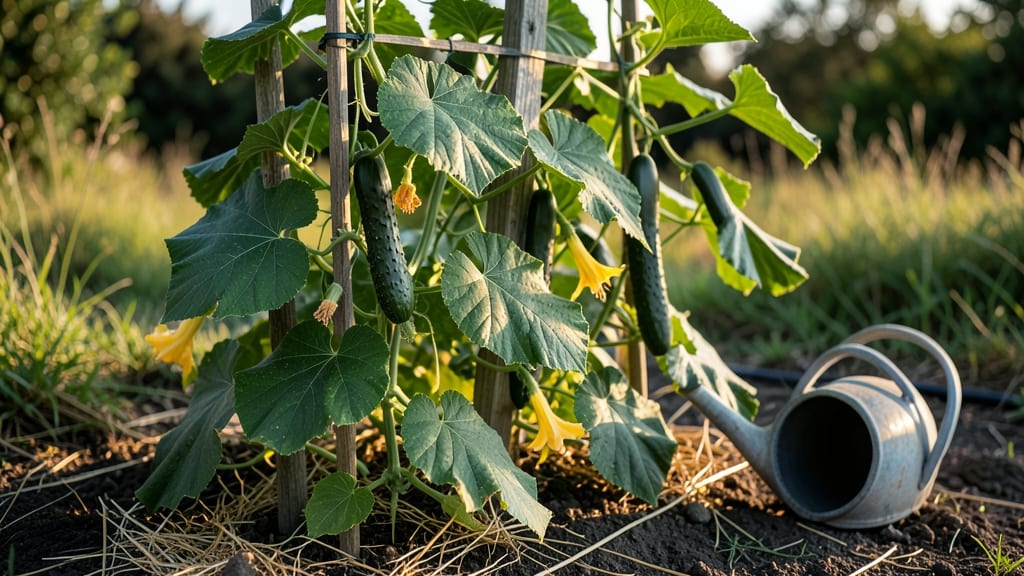
Growing burpless cucumbers from seed means fresh, crisp slices without the bite—no more chewing through tough skins or waiting for store-bought cucumbers to soften. 🌱 These varieties are bred to be tender, sweet, and gentle on digestion, perfect for slicing straight from the vine.
My first harvest last summer produced enough for salads, snacks, and pickling without a single bitter cucumber in the bunch.
The secret starts with seed selection—look for varieties like 'Diva,' 'Sweet Success,' or 'Straight Eight' at reputable seed suppliers. Plant seeds ½ inch deep in well-draining soil after the last frost when soil temperatures hit 60°F.
A sunny spot with 6-8 hours of light ensures steady growth, while consistent moisture (about 1 inch per week) keeps vines thriving without cracking fruit.
By mid-summer, you’ll harvest cucumbers that slice cleanly with no seedy core or bitter aftertaste. The key is regular picking—harvest every 3-5 days to encourage more production.
Even in hot climates, these varieties stay tender, and their smooth skin makes them ideal for salads, wraps, or snacking straight from the garden.
Watch for cucumber beetles and powdery mildew, which can stress plants. Use row covers early to deter pests and space vines 3-4 feet apart for airflow. With proper care, burpless cucumbers deliver a high-yield, bite-free harvest that outshines store-bought varieties every time.
📚 In This Guide
- What you need
- Instructions
- Tips and common mistakes
- Wrapping up and next steps
What you need
- ● Burpless cucumber seeds: Choose heirloom or hybrid varieties like 'Burpless Tasty Green', 'Lemon Cucumber', or 'Suyo Long'. Buy 1–2 seed packets (each contains ~20–30 seeds).
- ● Growing containers or garden bed: Containers: 5-gallon pots or fabric grow bags (minimum 12–18 inches deep) for 1–2 plants each.
- ● Garden bed: A sunny spot with 6–8 hours of direct sunlight and well-draining soil.
- ● Potting mix: 1–2 bags of high-quality, sterile seed-starting mix (or garden soil amended with compost).
- ● Organic fertilizer: A balanced 5-5-5 or 10-10-10 granular fertilizer (or compost tea for organic gardening).
- ● Watering can or hose with gentle spray nozzle: For consistent moisture without damaging seedlings.
- ● Gloves: A pair of gardening gloves to protect your hands.
- ● Plant markers: Small stakes or labels to track varieties.
- ○ Trellis or cage: Optional but recommended for vertical growth (use 4–6 ft tall stakes or netting).
- ● Mulch: Straw or shredded leaves to retain moisture and suppress weeds.
- ● Pruning shears: For trimming excess vines or yellowing leaves.
Step-by-step guide for growing burpless cucumber varieties
Here’s how to cultivate smooth, crisp cucumbers without the bite—using proven techniques for tender, high-yield plants.
🌱 Step 1: Select and Prepare Your Seeds
Burpless cucumber varieties like 'Sweet Success' or 'Diva' are bred for tender skin and mild flavor. Start with fresh seeds—older seeds germinate poorly. Soak them in warm water for 12 hours to soften the outer coating and speed up germination. This step is critical: dry seeds can take twice as long to sprout.
After soaking, drain the seeds and plant one seed per cell in a seed-starting tray filled with sterile seed-starting mix. Press each seed ½ inch deep—deeper planting delays germination. Cover the tray with plastic wrap or a humidity dome to retain warmth and moisture. Place it in a warm spot (75-85°F) until sprouts appear in 5-7 days.
💧 Step 2: Transplant Seedlings After True Leaves Form
Once seedlings develop two true leaves (not the initial cotyledons), they’re ready to move. Harden them off by placing the tray outside in partial shade for 2 hours daily over 5-7 days. This gradual exposure prevents shock when they go into the garden.
Choose a sunny spot with full sun (6+ hours daily) and well-draining soil. Burpless cucumbers thrive in warm soil (65°F+)—wait until nighttime temperatures stay above 55°F to avoid stunted growth. Plant seedlings 12 inches apart in rows 3 feet apart to allow air circulation and reduce disease risk.
☀️ Step 3: Provide Support and Consistent Watering
Burpless cucumbers need vertical support to prevent fruit rot and improve air flow. Install trellises or cages at planting time—these varieties grow 6-8 feet tall when trained upward. Gently tie vines to the support as they grow; avoid rough handling to prevent damage.
Water deeply at the base every 2-3 days, keeping soil evenly moist but not soggy. Overwatering leads to blossom-end rot, while underwatering causes bitter fruit. Mulch with 2-3 inches of straw to retain moisture and suppress weeds. You’ll know your watering is right when the soil feels damp 1-2 inches down but not wet.
✂️ Step 4: Prune and Harvest for Maximum Yield
Pinch off the first 3-5 flowers to encourage stronger vine growth. After that, let flowers develop into fruit. Harvest cucumbers when they reach 6-8 inches long—this ensures peak tenderness and flavor. Use clean pruners to cut stems, leaving ½ inch of stem attached to the fruit.
Remove any yellowing or diseased leaves immediately to prevent spread. For continuous harvests, pick every 2-3 days—overripe cucumbers turn seedy and bitter quickly. Burpless varieties stay crisp longer than standard types, but they still reward frequent harvesting.
🌿 Step 5: Extend the Season with Proper Care
To keep producing through summer’s heat, shade plants during midday sun (11 AM–3 PM) if temperatures exceed 90°F. Drip irrigation helps maintain even moisture without wetting foliage, reducing fungal risks like powdery mildew.
Fertilize lightly every 3 weeks with a balanced 10-10-10 formula after flowering begins. Avoid high-nitrogen feeds—they promote leafy growth at the expense of fruit. Stop fertilizing 4 weeks before the first frost to harden off plants for storage or composting.
Tips & tricks for perfect burpless cucumber varieties
Here's what nobody tells you about growing cucumbers that stay crisp and smooth—these tricks make all the difference.
Seed Selection: When choosing burpless varieties like 'Sweet Success' or 'Diva', look for seed packets labeled "parthenocarpic"—these produce fruit without pollination, ensuring consistent yields even if bees are scarce. I've found that seeds from reputable suppliers like Johnny's Selected Seeds or Baker Creek Heirloom Seeds germinate most reliably.
Germination Environment: The 12-hour soak and 75-85°F warmth in Step 1 are non-negotiable for speedy germination, but here's the secret: place your seed tray on top of your fridge (not inside) for consistent warmth without overheating. I've seen germination times cut in half when maintaining this precise temperature range—just watch for condensation on the plastic wrap, which means you've got the humidity right.
Transplanting Timing: The 5-7 day hardening off period might seem like overkill, but trust me on this—rushing this step leads to transplant shock. Start with just 2 hours of partial shade the first day, then gradually increase exposure. I've lost entire seedling batches by moving them directly to full sun too soon; those delicate leaves can't handle the intensity yet.
Watering Wisdom: The 2-3 day watering schedule works best when you check soil moisture at the same time each day—early morning is ideal. Stick your finger 1-2 inches down; if it feels dry, water deeply until moisture reaches 6 inches down. I've learned that morning watering prevents fungal issues by allowing foliage to dry completely before evening dew sets in.
Pro Tips for Burpless Cucumber Seeds
- Here's what nobody tells you about growing cucumbers that stay crisp and smooth—these tricks make all the difference.
- Seed Selection: When choosing burpless varieties like 'Sweet Success' or 'Diva', look for seed packets labeled "parthenocarpic"—these produce fruit without pollination, ensuring consistent yields even if bees are scarce.
- I've seen germination times cut in half when maintaining this precise temperature range—just watch for condensation on the plastic wrap, which means you've got the humidity right.
Frequently asked questions
Got questions about burpless cucumber seeds?
You’re not alone! Here are answers to the most common queries to help you grow the perfect no-bite cucumbers—without the gas.
What makes burpless cucumbers different from regular cucumbers?
Burpless cucumbers contain less cucurbitacin, the compound that causes that classic "bite" and digestive discomfort. They’re bred to be milder, sweeter, and easier to digest—while still packing that satisfying crunch! Perfect for fresh snacking or salads without the aftereffects.
How long does it take for burpless cucumber seeds to germinate and produce fruit?
Germination typically takes 5–10 days in warm soil (70°F+). Once sprouted, expect 50–70 days to harvest, depending on the variety. For faster results, start seeds indoors 3–4 weeks before your last frost date. Patience pays off with crisp, bite-free cucumbers!
Can I grow burpless cucumbers in containers, or do they need a garden bed?
Burpless varieties thrive in 5-gallon containers or larger with proper drainage. Use a trellis to save space and improve air circulation. Just ensure they get 6–8 hours of sunlight daily and consistent watering (keep soil moist but not soggy). Container gardening is great for balconies or small yards!
Are burpless cucumbers safe for people with sensitive stomachs or kids?
Yes! Their low cucurbitacin levels make them gentler on digestion, but always introduce them gradually to test tolerance. Peel the skin if needed for extra mildness, or blend into smoothies for a subtle flavor. Still, avoid if someone has a known allergy to cucumbers or nightshades. When in doubt, consult a doctor.
What can I do if my burpless cucumbers still taste bitter?
Bitter flavors can sneak in due to stress (heat, drought, or poor soil) or overripe fruit. Try these fixes:
- Harvest earlier—pick when small (6–8 inches) for peak sweetness.
- Water consistently to avoid stress.
- Use compost-rich soil and mulch to retain moisture.
- Try a different variety like ‘Burpless Hybrid’ or ‘Sweet Success’ if bitterness persists.
Most burpless types are bred to be mild, so this is rare but possible!
Wrapping up and next steps
Growing burpless cucumber seeds is your ticket to a garden full of crisp, refreshing bites—without the dreaded aftertaste! 🥒 Whether you’re a seasoned gardener or just starting, these no-bite varieties make harvesting a breeze while keeping your veggies delicious and satisfying.
Now that you’re armed with the best seeds, soil tips, and troubleshooting tricks, it’s time to get planting!
Ready to take the next step? Start by picking your favorite burpless variety, prepping your soil, and sowing those seeds. Before you know it, you’ll be enjoying homegrown cucumbers that are as smooth as they are crunchy. Happy gardening! 🌱