
Plants
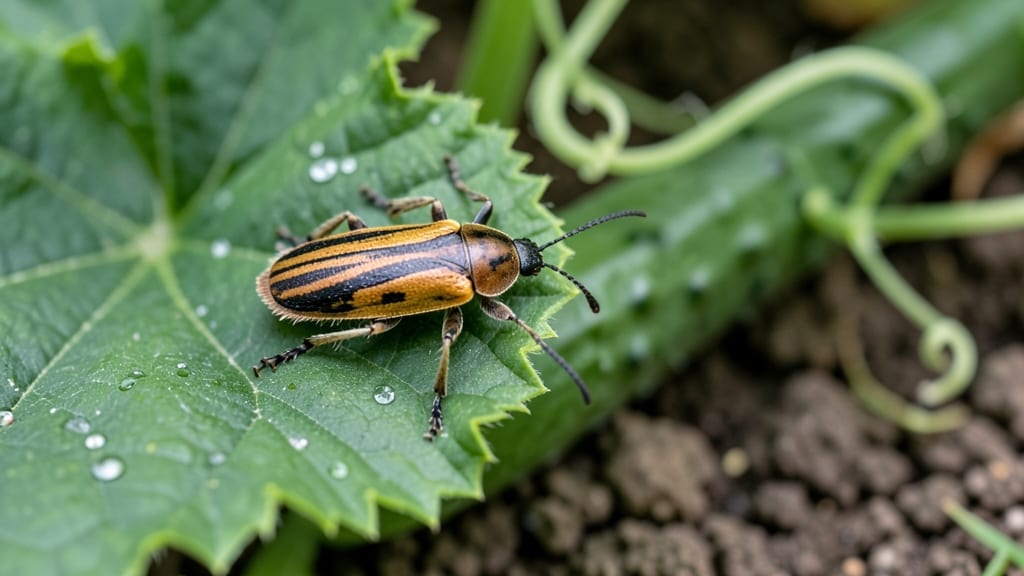
Those yellow and black invaders—bugs on cucumber plants—can devastate your harvest in no time, but these organic sprays stop the damage fast. 🌱 I’ve saved my own cucumbers from total collapse using these that work within days, not weeks, and keep your harvest safe for the table.
The first sign is usually tiny holes in leaves or a white dusting on stems—don’t wait until the plants look like they’re fighting for their lives. A mix of neem oil, insecticidal soap, and baking soda disrupts pests’ life cycles while being completely safe for pollinators.
You’ll see results in 3-5 days if applied correctly at dawn or dusk. What you’ll end up with is cucumbers that stay crisp, blemish-free, and productive all season. The plants look healthier too—no more wilting or yellowing leaves ruining your morning smoothies or salads.
It’s the difference between a handful of sad store-bought cukes and a bounty from your own garden. This works for all cucumber varieties, whether you’re growing in the ground, containers, or a greenhouse.
The key is consistency—check plants every 2-3 days during peak pest season (late spring to early summer) and act at the first sign of trouble.
Root Causes of Cucumber Invaders
Cucumber plants may seem like a buffet to pests, but their uninvited guests aren’t just random—they’re drawn by specific conditions. Understanding why these critters show up is the first step to kicking them out for good. Let’s break down the science behind the chaos.
Cucumbers thrive in space, but when they’re packed too tightly or struggling, they become prime real estate for bugs. Here’s why:
- Poor Airflow: Dense foliage traps moisture, creating a humid microclimate that loves fungal gnats, aphids, and powdery mildew. Think of it like a sauna for pests—warm, damp, and irresistible.
- Nutrient Competition: Overcrowded plants compete for water and nutrients, weakening their defenses. Bugs like cucumber beetles target stressed plants because they’re easier to colonize.
- Shade Stress: When plants block sunlight from lower leaves, those shaded areas stay damp longer, inviting slugs and snails to feast.
Pro Tip: 💡 Space cucumbers 12–24 inches apart (depending on variety) and prune regularly to improve airflow. If you’re growing vertically, ensure trellises don’t create dead zones where pests hide.
Cucumbers, like humans, get sick when their immune systems are compromised. Common culprits:
- Over-Fertilization (Especially Nitrogen): Too much nitrogen = lush, soft growth that’s delicious to chewing pests like spider mites and cucumber beetles. It’s like serving a five-star meal with a “Welcome” sign.
- Under-Fertilization: Starved plants produce thin, brittle leaves that powdery mildew and aphids adore. Weak roots also struggle to fend off soil-dwelling pests like cutworms.
- Improper Watering: Drought stress or overwatering (leading to root rot) both weaken plants. Bugs like fungal gnats thrive in soggy soil, while thrips love dry, dusty leaves.
Action Step: 🌡️ Test your soil’s pH (ideal: 6.0–6.8 for cucumbers) and balance fertilizers with phosphorus and potassium for stronger defenses. Water deeply at the base early in the day to prevent fungal growth.
Some bugs are hardwired to target cucumbers. Here’s what makes your plants their favorite hangout:
| Pest | Why They Come | What They Love |
|---|---|---|
| Cucumber Beetles | Adults are drawn to yellow flowers (cucumbers’ first blooms) and pollinated by them. Larvae chew on roots. | Young leaves, flowers, and transmitted bacterial wilt. |
| Aphids | Weak plants = easy sap access. They also spread viruses like cucumber mosaic. | New growth, undersides of leaves, and honeydew (their waste). |
| Spider Mites | Thrive in hot, dry conditions and weakened plants. They suck cell contents, causing stippling. | Undersides of leaves (they hide in silk webs). |
| Powdery Mildew (Fungal) | Spreads via spores in humid, stagnant air. Weak plants can’t fight it off. | Upper leaf surfaces (white, powdery patches). |
Prevention Tip: ✨ Rotate crops annually to disrupt pest life cycles. Plant traps like nasturtiums (aphids love them) or marigolds (repel beetles) nearby to lure pests away.
Pests don’t just show up—they’re often invited by your garden’s conditions:
- Humidity: Powdery mildew and fungal gnats flourish when humidity exceeds 70%. Even morning dew can create the perfect breeding ground.
- Heat Waves: Spider mites and thrips explode in populations during droughts. Dry soil = stressed plants = open season for pests.
- Windborne Spores: Downy mildew spores hitch rides on wind currents. If your neighbors grow cucumbers, their spores might colonize your plants.
- Wildlife Corridors: Birds, squirrels, and even deer can spread pest eggs or larvae between gardens. A single visit can introduce cutworms or slugs.
Quick Fix: 🌬️ Use row covers for young plants to block flying pests. Mulch with straw or grass clippings to regulate soil moisture and deter slugs.
Natural Fixes for Cucumber Plant Pests
Now that you’ve identified the culprits—whether it’s powdery mildew, aphids, cucumber beetles, or spider mites—it’s time to act! The good news? Most of these issues can be tackled with organic, plant-friendly solutions that won’t harm your cucumbers or the environment.
Below, we’ll break down targeted fixes for each common problem, plus preventive steps to keep your plants thriving.
Powdery mildew thrives in humid, shaded conditions, but you can outsmart it with these steps:
🔥 Immediate Treatment: DIY Fungicide Spray
- Neem Oil Blast 🌿
- Mix 1 tbsp neem oil, 1 tsp mild liquid soap (like Castile), and 1 quart of water.
- Spray directly on affected leaves (both top and bottom) until fully coated.
- Reapply every 7–10 days until the mildew disappears.
- Why it works: Neem oil disrupts fungal spores and prevents new growth.
- Baking Soda Remedy 🧂
- Combine 1 tbsp baking soda, 1 tsp oil (like vegetable or olive), and 1 quart of water.
- Add a drop of dish soap to help it stick.
- Spray early in the morning to avoid burning leaves in sunlight.
- Reapply every 5–7 days for best results.
- Prune & Improve Airflow 🌬️
- Remove heavily infected leaves (sterilize pruners with rubbing alcohol).
- Space plants 12–18 inches apart to reduce humidity buildup.
- Water at the base (not overhead) to keep leaves dry.
💡 Prevention Tips for Mildew
- Rotate crops: Avoid planting cucumbers in the same spot yearly.
- Choose resistant varieties: Look for ‘Lemon Cucumber’ or ‘Straight Eight’—they’re mildew-resistant!
- Morning watering: Wet leaves dry faster in sunlight, discouraging spores.
These striped or spotted pests chew leaves and spread disease. Act fast with these methods:
🍳 Homemade Trap & Repellent Sprays
- Yellow Sticky Traps 🟡
- Hang yellow cards or plastic traps coated with petroleum jelly near plants.
- Beetles are drawn to yellow—they’ll get stuck and die.
- Pro tip: Refresh traps every 3–4 days for maximum effectiveness.
- Soap Spray Attack 🧼
- Mix 2 tbsp castile soap with 1 quart of water.
- Spray directly on beetles (they’ll drop off within minutes).
- Best time: Early morning or late evening when bees aren’t active.
- Diatomaceous Earth Barrier 🏗️
- Sprinkle food-grade DE around the base of plants (avoid direct contact with leaves).
- The microscopic particles dehydrate beetles on contact.
- Reapply after rain or watering.
🌡️ Long-Term Prevention
- Row covers: Use floating row covers early in the season to block beetles.
- Interplant with herbs: Basil, dill, or marigolds repel cucumber beetles naturally.
- Handpick daily: Check leaves morning and evening—drop beetles into soapy water.
These tiny pests sap nutrients from leaves, causing curling and stunted growth. Smother them with these tactics:
👨🍳 Natural Sprays & Manual Removal
- Blast Off with Water 💦
- Use a strong hose spray to knock aphids off leaves.
- Repeat every 2–3 days until gone.
- Ladybugs & Lacewings 🐞🕷️
- Release beneficial insects (available at garden centers) to eat aphids naturally.
- Bonus: They’ll stick around to hunt future pests!
- Oil Spray for Mites 🛢️
- Mix 1 tbsp horticultural oil with 1 quart of water and a dash of soap.
- Spray thoroughly on undersides of leaves (mites love hiding there).
- Apply in the evening to avoid leaf burn.
✨ Prevention for Tiny Pests
- Encourage predators: Plant nasturtiums or alyssum to attract ladybugs.
- Avoid over-fertilizing: Too much nitrogen attracts aphids—use balanced fertilizer.
- Inspect new plants: Quarantine store-bought seedlings for 2 weeks before planting.
No matter the pest, strong plants resist attacks better. Follow these golden rules:
- Feed with compost tea 🌱 every 2 weeks for nutrient-rich soil.
- Rotate crops every 3 years to break pest cycles.
- Harvest regularly 🍉—overripe cucumbers attract pests!
Final Thought: Most cucumber plant pests can be eliminated in 2–4 weeks with consistent care. Act at the first sign of trouble, and your plants will bounce back stronger than ever! 🚀
Frequently asked questions
What are the most common bugs that attack cucumber plants?
Look for these troublemakers: cucumber beetles (yellow with black stripes), aphids (tiny green/black clusters), spider mites (almost invisible but leave webbing), and slugs/snails (visible at night). These pests cause the most damage to leaves and fruit.
How do I tell if my cucumber plants have powdery mildew vs. actual bugs?
Powdery mildew appears as white, powdery patches on leaves, while bugs leave physical damage like chewed edges, holes, or sticky residue (aphid honeydew). Run your finger over leaves—bugs will move or leave trails, while mildew feels like dust.
Can I use neem oil on cucumber plants if I'm also dealing with pests?
Yes! Neem oil works against both bugs and mildew. Mix 1 tbsp neem oil with 1 tsp soap and 1 quart water, then spray on leaves (including undersides). Apply at dawn or dusk to avoid harming bees. Reapply every 7-10 days until pests disappear.
What's the fastest way to get rid of cucumber beetles?
Combine yellow sticky traps (hang near plants) with a soap spray (2 tbsp castile soap + 1 quart water). Spray directly on beetles in the early morning when they're sluggish. For severe infestations, add diatomaceous earth around plant bases (reapply after rain).
Will my cucumbers still be safe to eat if bugs have been on the plants?
Most cucumbers are safe to eat even after pest visits, but wash thoroughly and peel if possible. Avoid eating fruit that shows visible damage or signs of bacterial wilt (yellowing veins). For extra safety, harvest cucumbers before they reach full size—they're less likely to have absorbed pesticides or toxins.