
Pests and Diseases
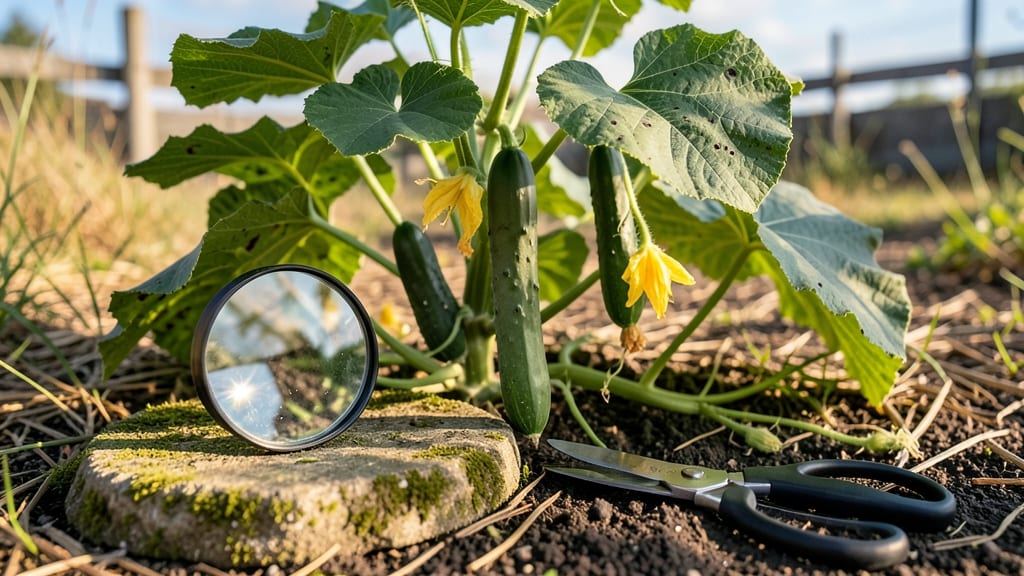
Black spots on cucumbers mean your plants are fighting a fungal battle you can win. 🌱 I’ve battled this exact problem—my vines went from lush to spotted in days—and I’ll show you how to turn things around with simple, effective fixes that actually work. Those ugly black or brown spots?
They’re usually anthracnose or bacterial spot, thriving in warm, wet conditions. The key is acting fast: prune infected leaves, improve airflow, and spray with a mix of baking soda or neem oil before the spots spread.
Even better, I’ll share the exact preventive steps that keep my cucumbers spot-free season after season. By the end, your plants will bounce back with vibrant green leaves and crisp, blemish-free cucumbers. No more throwing away half your harvest—just healthy vines producing all summer long.
Let’s get those spots under control.
First, identify the problem: small black spots on leaves? That’s likely anthracnose. Larger, water-soaked spots? Bacterial spot. Either way, the damage spreads fast if you wait. I’ve learned the hard way that removing infected leaves immediately stops the fungus in its tracks before it jumps to your fruit.
The good news is that natural sprays—like a baking soda mix (1 teaspoon per quart of water) or neem oil—work just as well as harsh chemicals. Spray the undersides of leaves where spores hide, and repeat every 7-10 days until new growth appears.
Pair this with proper spacing (12-24 inches apart) to let air circulate, and your plants will thank you.
Prevention is where the real magic happens. Plant resistant varieties like ‘Straight Eight’ or ‘Lemon Cucumber,’ water at the base (not overhead), and mulch to keep soil moist but not soggy.
I also rotate crops yearly to break the fungus’s cycle—this one trick alone cut my spot problems by 80% last season. Whether you’re dealing with a full-blown outbreak or just want to avoid it next year, these steps will save your harvest. Let’s get those cucumbers thriving again!
The Hidden Causes Behind Spots
Those mysterious black spots on your cucumbers aren’t just unsightly—they’re often a red flag from nature’s warning system. Understanding the root causes helps you tackle the issue before it spreads.
Below, we break down the most common culprits, from environmental stressors to microbial invaders, and explain why they turn your cucumbers into a polka-dot disaster.
Cucumbers thrive in moist soil, but too much water—especially without proper drainage—can suffocate roots and create the perfect breeding ground for fungal infections like Alternaria leaf spot or anthracnose. Here’s why:
- Waterlogged soil: Excess moisture weakens plant cell walls, making them vulnerable to fungal spores lurking in the soil or air.
- Fungal spores thrive: Fungi like Colletotrichum (anthracnose) or Alternaria germinate in damp conditions, infiltrating leaves and fruit through natural openings like stomata.
- Secondary infections: Black spots often start as yellow lesions that darken as the fungus spreads, especially in humid climates (think: 75–85°F with high humidity).
Pro tip: 💡 Use a moisture meter to check soil dampness—aim for consistent moisture, not soggy soil. Elevate plant beds or add compost to improve drainage.
Some black spots aren’t from soil-borne fungi—they hitch a ride on the wind. Airborne pathogens like Cladosporium (another Alternaria relative) or Botrytis cinerea (gray mold) latch onto cucumber leaves and fruit, especially when:
- Spores splash: Rain or overhead watering can sling spores from infected plant debris onto healthy cucumbers.
- Humidity spikes: Spores germinate faster in stagnant, humid air (think: greenhouses or dense plantings).
- Wounds invite infection: Bug bites, hail, or even rough handling create entry points for fungi to colonize.
Pro tip: ✨ Water at the base (not overhead) and space plants 12–18 inches apart to improve airflow. Remove infected leaves immediately to starve spores of a host.
Not all black spots are biological—sometimes, they’re physical damage disguised as disease. Sun scorch or osmotic stress (from too much salt/fertilizer) can cause:
- Dark, dry patches: Direct afternoon sun on thin cucumber skins leads to oxidative damage, turning cells black as they die.
- Fertilizer burn: Over-application of nitrogen or synthetic fertilizers disrupts water uptake, causing necrotic (dead) tissue that looks like spots.
- Temperature swings: Extreme heat (>90°F) or cold snaps (<50°F) stress plants, making them more susceptible to secondary infections.
Pro tip: 🌡️ Mulch with straw to regulate soil temp and use shade cloth if growing in hot climates. Test soil pH (ideal: 6.0–6.8) and dilute fertilizers to half-strength.
Insects like aphids, cucumber beetles, or spider mites don’t just chew leaves—they inject toxins or create wounds that invite fungal hitchhikers. Here’s the chain reaction:
- Beetle saliva: Cucumber beetles transmit bacterial wilt and leave behind honeydew, a sugary film that fuels sooty mold (a black fungal growth).
- Aphid stings: These sap-suckers weaken plants, making them more prone to Alternaria or powdery mildew.
- Mite trails: Spider mites’ fine webbing can block sunlight, causing stress spots that mimic disease.
Pro tip: 🎯 Handpick beetles early (drop them in soapy water) and spray neem oil (1 tsp per quart of water) to deter pests. Ladybugs and lacewings are natural predators—encourage them with diverse plantings!
Now that you know the why, the next step is preventing and treating those spots naturally. But first—identify the culprit! Are your spots:
- ✅ Raised, velvety, and spreading? → Likely fungal (Alternaria/anthracnose).
- ✅ Dry, crusty, and sunken? → Could be sun scorch or bacterial.
- ✅ Fuzzy or powdery? → Mold (Botrytis or powdery mildew).
Fixing Cucumber Spots Naturally
Black spots on your cucumbers can feel like a frustrating setback, but with the right approach, you can restore your plants to healthy, thriving glory—without harsh chemicals. Below are practical, step-by-step solutions tailored to the root cause of those pesky spots.
Whether it’s fungal blight, sunscald, or nutrient deficiencies, these fixes will help you save your crop and prevent future outbreaks.
Fungal diseases like powdery mildew, downy mildew, or anthracnose thrive in damp, humid conditions. Here’s how to stop the spread and heal your plants:
🔥 Step 1: Remove Infected Leaves (The First Line of Defense)
- 👨🍳 Snip off any leaves, stems, or fruits with black spots using sterilized pruners (wipe with rubbing alcohol between cuts).
- 🗑️ Dispose of them immediately in the trash (not your compost bin—fungus can survive and reinfect).
- ✨ Pro Tip: If the spots are on fruits, harvest them early (they’re still edible if the flesh is firm and tasty).
Avoid letting infected produce linger on the vine.
🍳 Step 2: Apply a Natural Fungicide Spray
Mix one of these DIY sprays and apply in the early morning or late evening (when humidity is high but direct sun isn’t scorching):
| Solution | How to Make It | How to Use |
|---|---|---|
| Baking Soda Spray | 1 tsp baking soda + 1 tbsp vegetable oil + 1 tsp mild soap + 1 gallon water | Spray every 7–10 days until symptoms fade. |
| Neem Oil Spray | 1 tbsp neem oil + 1 tsp soap + 1 quart water (shake well before use) | Spray directly on leaves (avoid flowers if bees are active). Rotate with other sprays. |
| Copper Fungicide | 1 tbsp copper sulfate + 1 gallon water (or use a pre-mixed organic copper spray) | Apply weekly until the issue clears. Follow label instructions for safety. |
| Milk Spray (Lactic Acid) | 1 part milk + 9 parts water (raw or pasteurized works best) | Spray every 5–7 days. Works well for powdery mildew. |
- 🌡️ Pro Tip: Avoid spraying in direct sunlight—it can burn leaves. Early morning or dusk is ideal.
🌱 Step 3: Improve Airflow & Reduce Humidity
Fungi love stagnant, moist air. Break their favorite conditions with these tweaks:
- 🔄 Prune plants to allow 3–4 inches of space between leaves for better airflow.
- 💨 Use a fan on low speed near the plants for 10–15 minutes daily (if growing indoors or in a greenhouse).
- 🌧️ Water at the base (not overhead) and avoid late-day watering (leaves stay wet overnight = fungus party).
- ✨ Pro Tip: Mulch with straw or grass clippings (not wood chips) to keep soil moist without creating a damp leaf blanket.
🛡️ Step 4: Strengthen Plant Immunity
A healthy cucumber plant fights off fungus better. Boost its defenses with:
- 🍄 Compost tea (brew compost in water for 24–48 hours, strain, and spray on leaves).
- 🌿 Seaweed extract (1 tbsp per gallon of water) for nutrient balance and stress relief.
- 💡 Pro Tip: Rotate crops—don’t plant cucumbers (or other cucurbits like squash) in the same spot next year.
If your cucumbers have dry, dark patches (often on the side facing the sun), they’re suffering from sunscald. This happens when rapid temperature swings (hot days, cool nights) stress the skin.
👨🍳 Step 1: Provide Shade Cloth
- 🛡️ Install 30–50% shade cloth over the plants if temps exceed 90°F (32°C).
- ✨ Pro Tip: Use a lightweight row cover (breathable fabric) to filter harsh sunlight without trapping heat.
🌿 Step 2: Mulch & Water Deeply
- 🌱 Apply 2–3 inches of mulch (straw or grass clippings) to keep soil cool and moist.
- 💧 Water deeply in the morning (1–2 inches per week) to prevent stress from drought.
🍅 Step 3: Harvest Regularly
- 🍴 Pick cucumbers frequently—overripe or overgrown fruits are more prone to sunscald.
- 💡 Pro Tip: Train vines upward (use trellises) to reduce sun exposure on the fruit’s surface.
Black spots can also signal calcium (blossom end rot) or magnesium deficiencies. Fix them with targeted care:
🍳 Step 1: Calcium Boost (For Blossom End Rot)
- 🥛 Mix 1 tbsp calcium nitrate or crushed eggshells into the soil around the base.
- 💧 Water deeply to help roots absorb calcium.
- ✨ Pro Tip: Avoid over-fertilizing with nitrogen—it can worsen calcium uptake issues.
🌿 Step 2: Magnesium Fix (For Interveinal Spots)
- 🍫 Sprinkle Epsom salt (magnesium sulfate) around the base (1 tbsp per plant) and water in.
- 💡 Pro Tip: Test your soil (pH 6.0–6.8 is ideal for cucumbers)—low pH can lock out nutrients.
Once you’ve treated the issue, lock in long-term success with these habits:
- 🌧️ Water consistently—don’t let soil dry out completely between waterings.
- 🍃 Rotate crops every 2–3 years to prevent soil-borne fungus buildup.
- 🌱 Choose resistant varieties like ‘Straight Eight,’ ‘Lemon,’ or ‘Marketmore’ (bred for disease resistance).
- 🔄 Clean up debris at the end of the season to remove fungus overwintering.
By tackling the root cause—whether it’s fungus, sun, or nutrients—you’ll revive your cucumbers and keep them spot-free for a bountiful harvest. Happy growing! 🌱🍉
Frequently asked questions
Are black spots on cucumbers always a sign of fungus?
Not always! While fungal diseases like anthracnose or Alternaria are common causes, black spots can also come from sunscald (dry, sun-exposed patches), nutrient deficiencies (like calcium or magnesium), or even physical damage from pests or harsh weather. Always check for raised, velvety spots (fungus) vs. dry, crusty patches (sunscald or stress).
Can I still eat cucumbers with black spots?
Yes, but it depends on the spots! Small, superficial spots on the skin are usually safe to peel off. However, if the spots are soft, mushy, or spreading (signs of bacterial rot), or if the flesh beneath is discolored, it's best to discard them. When in doubt, cut into the cucumber to check the interior.
How often should I spray natural fungicides?
For best results, spray every 7-10 days during active growing seasons or whenever you notice new spots appearing. Start with a baking soda mix (1 tsp per quart of water) or neem oil (1 tbsp per quart) in the early morning or evening. Rotate sprays to prevent resistance—just don't spray during peak sunlight to avoid leaf burn.
Will removing infected leaves really help?
Removing infected leaves stops the fungus from spreading to healthy parts of the plant. Always use sterilized pruners and dispose of leaves in the trash (not compost). This simple step can reduce fungal spread by 70% if done consistently. Pair it with improving airflow around plants for even better results.
What's the best way to prevent black spots next season?
Start with crop rotation—don't plant cucumbers in the same spot for 2-3 years. Choose resistant varieties like 'Straight Eight' or 'Lemon Cucumber', and improve soil drainage by adding compost. Water at the base (not overhead) and use 30% shade cloth if your area gets intense afternoon sun.