
Companion Plants
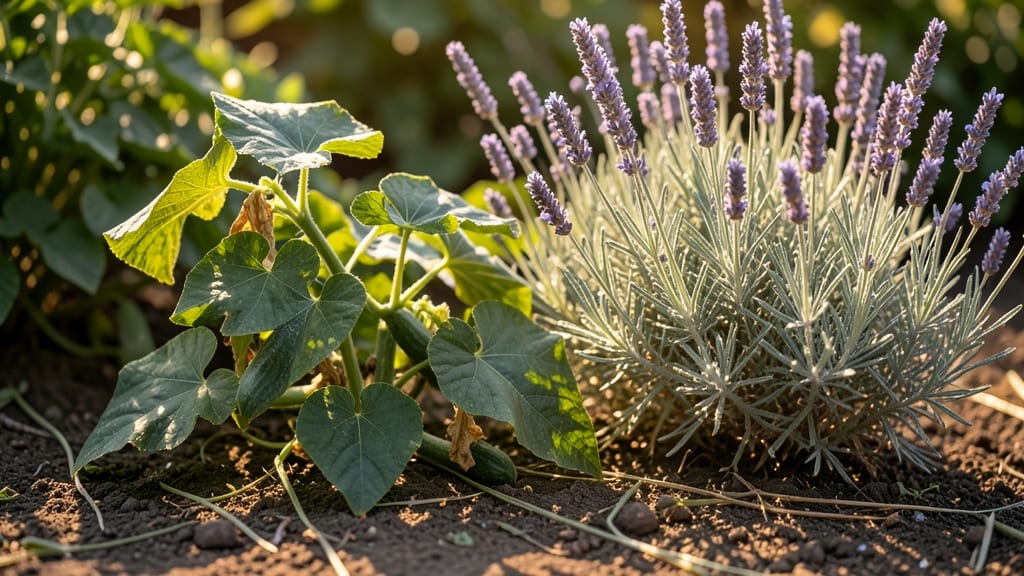
Struggling with cucumber pests or poor growth? These 10 companion herbs naturally repel insects, enhance flavor, and boost vine health—while thriving in the same garden space. Perfect for organic gardeners and small-space growers alike.
Basil for Pest Repellent and Flavor
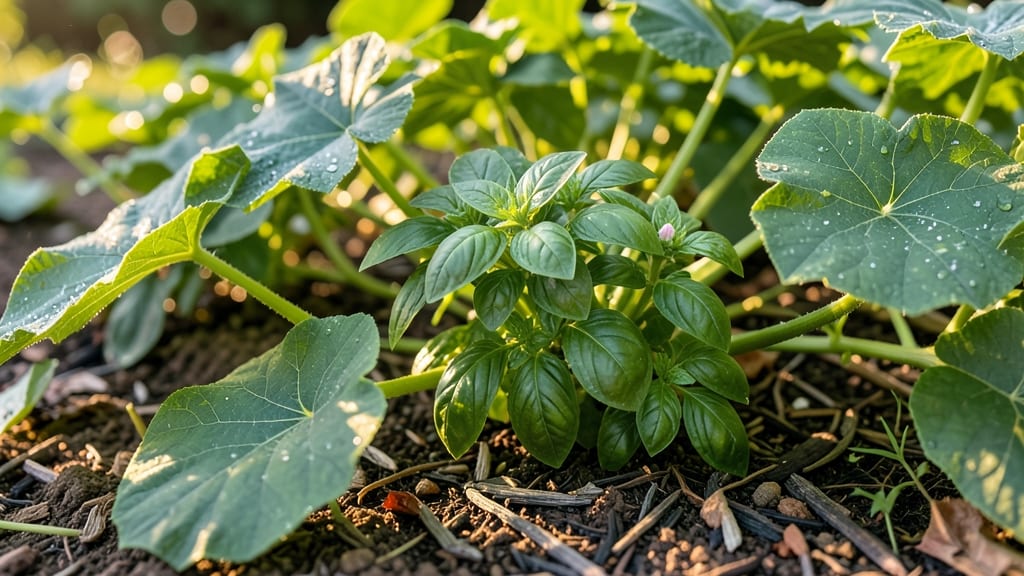
Want a two-in-one solution for your cucumbers? Sweet basil isn’t just a kitchen staple—it’s a powerhouse pest repellent that deters cucumber beetles and whiteflies while adding a delicious anise-like flavor to your harvests. This versatile herb thrives in the same conditions as cucumbers, making it the perfect companion for both in-ground beds and container setups.
Plant basil just a foot away from cucumber vines to maximize its pest-deterring effects, and consider training both on a trellis to save space. The herb’s strong scent confuses pests while its fast growth (reaching 12–18 inches tall) provides shade for cucumber roots. For extra flavor, harvest leaves regularly—this encourages bushier growth and keeps the plant producing.
Urban gardeners and small-space growers will love how basil’s compact size makes it ideal for containers or vertical gardens. Plus, its heat tolerance ensures it thrives alongside cucumbers even in summer’s peak. 🌿
Dill to Attract Beneficial Insects
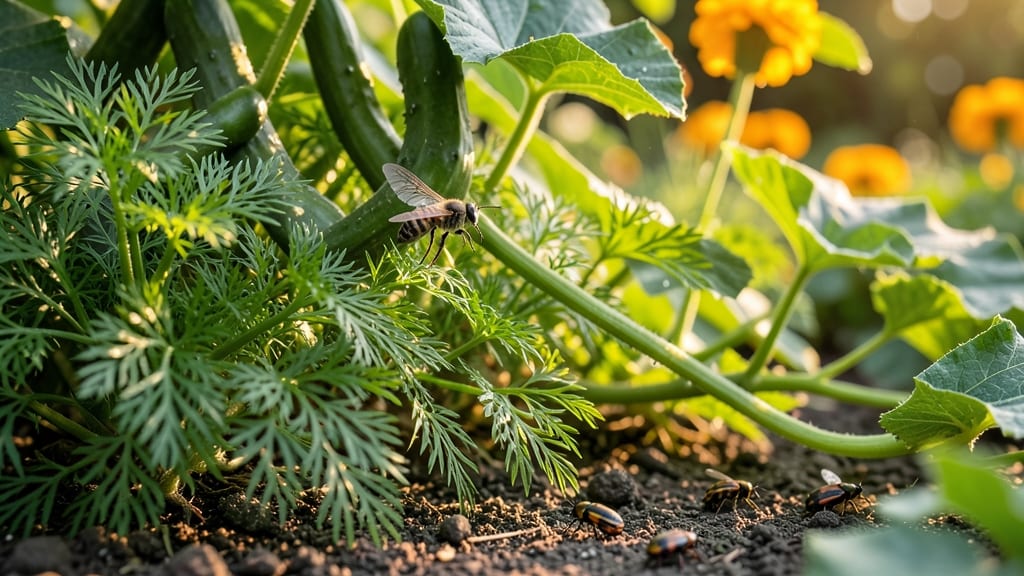
Tired of cucumber beetles wreaking havoc on your vines? Dill is your secret weapon—not just for flavor, but as a natural pest predator magnet. This feathery annual lures parasitic wasps that hunt cucumber beetles and squash bugs, giving your plants a biological shield against damage.
Plant dill at the base of your cucumbers in early spring or late summer for continuous blooms that attract these helpful insects. Its lacy foliage also creates a living mulch, shading soil to retain moisture and suppress weeds. For best results, give it full sun to partial shade and well-draining soil—it thrives in the same conditions as cucumbers.
This herb is especially valuable for organic gardeners who want to avoid chemical sprays. Plus, you’ll get fresh dill for soups and pickles while keeping your cucumbers pest-free! 🌿
Mint for Weed Suppression and Aroma
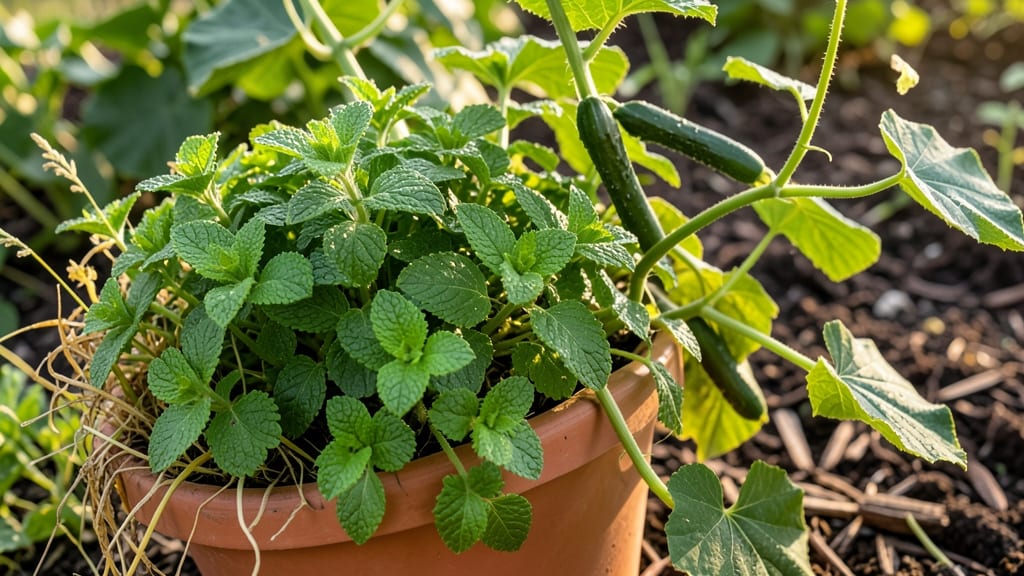
Tired of battling weeds while trying to protect your cucumbers from pests? Mint is the ultimate multitasker—it smothers weeds with its dense growth and masks the cucumber scent that attracts unwanted insects like spider mites and aphids.
For best results, plant mint in containers next to your cucumbers to contain its aggressive spread. The strong aroma confuses pests while the lush foliage blocks sunlight from reaching weeds. Balcony gardeners will love how mint thrives in partial shade to full sun and even improves with occasional harvesting.
This herb is especially valuable for urban gardeners with limited space, offering both practical weed control and a refreshing scent. Just be prepared to harvest frequently to prevent mint from taking over! 🌱
Oregano for Root Health Boost
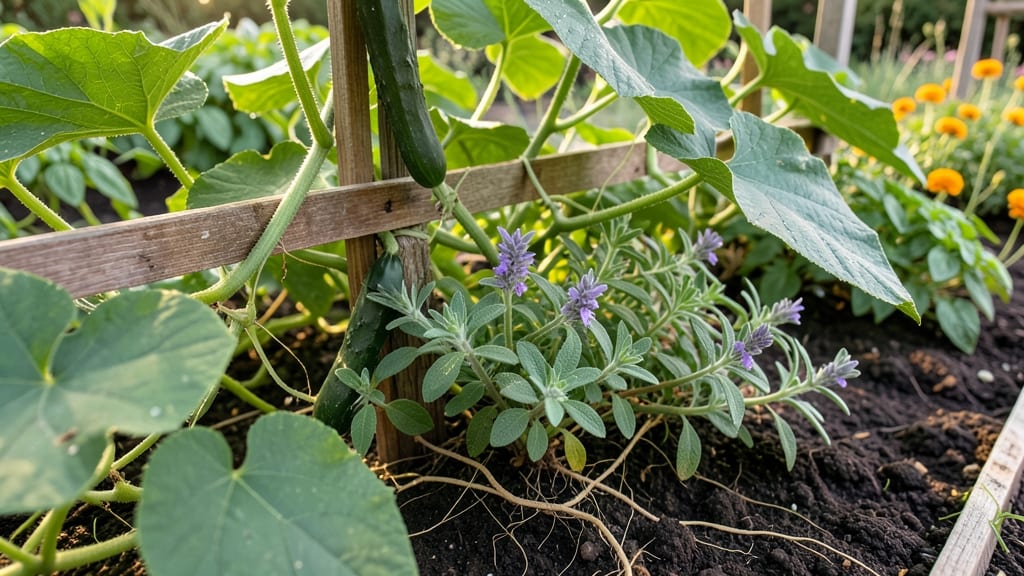
If your cucumbers are struggling with stunted roots or spider mite infestations, oregano might be the unsung hero you need. This hardy perennial doesn’t just deter pests—it actively improves soil structure and root development, making your vines stronger and more productive.
Plant oregano around the base of cucumber plants to create a natural barrier against spider mites while its fibrous roots aerate compacted soil. Thriving in drought conditions, it’s ideal for Mediterranean-style gardens or raised beds where water conservation is key. A little goes a long way—just 12-18 inches of spacing ensures both plants benefit without competing for resources.
Perfect for gardeners who want low-maintenance, long-term solutions, oregano’s perennial nature means you’ll enjoy its benefits year after year. 🌿
Thyme for Soil Improvement
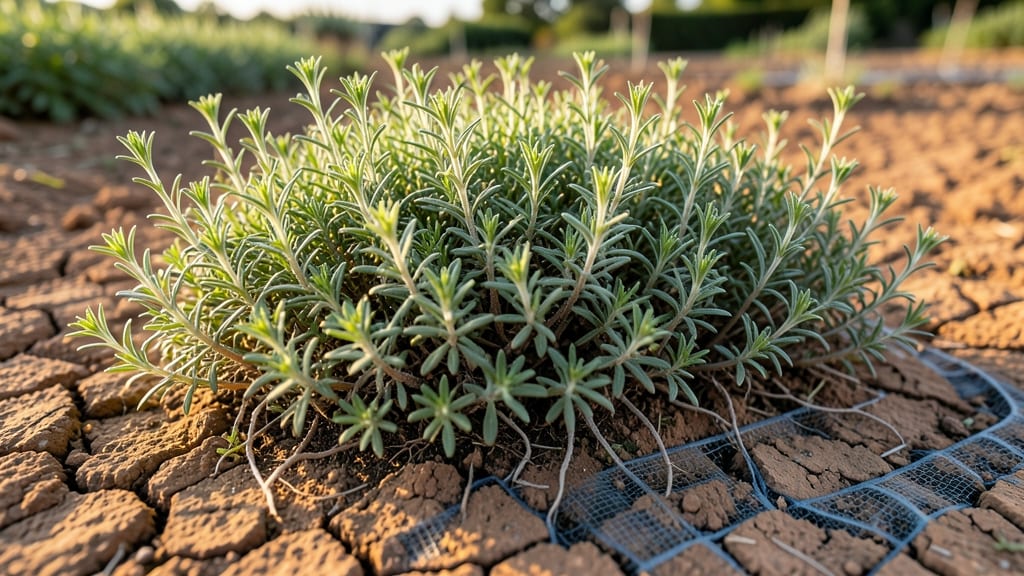
If your garden soil feels as hard as a rock or drains like a sieve, thyme is the unsung hero you need. This hardy perennial doesn’t just repel aphids—its fibrous roots break up compacted earth while its woody stems act as natural mulch, locking in moisture and suppressing weeds.
Plant thyme in full sun near cucumber vines, especially in rocky or poor-draining spots where other herbs struggle. Its drought tolerance makes it ideal for Mediterranean climates or neglected garden corners. Plus, the fragrant foliage doubles as a culinary bonus—harvest leaves for cooking once established.
Urban gardeners and rocky-soil growers will love thyme’s low-maintenance resilience. Just avoid overwatering, and you’ll have thriving cucumbers and a soil-saving ground cover. 🌱
Chives for Natural Fungicide
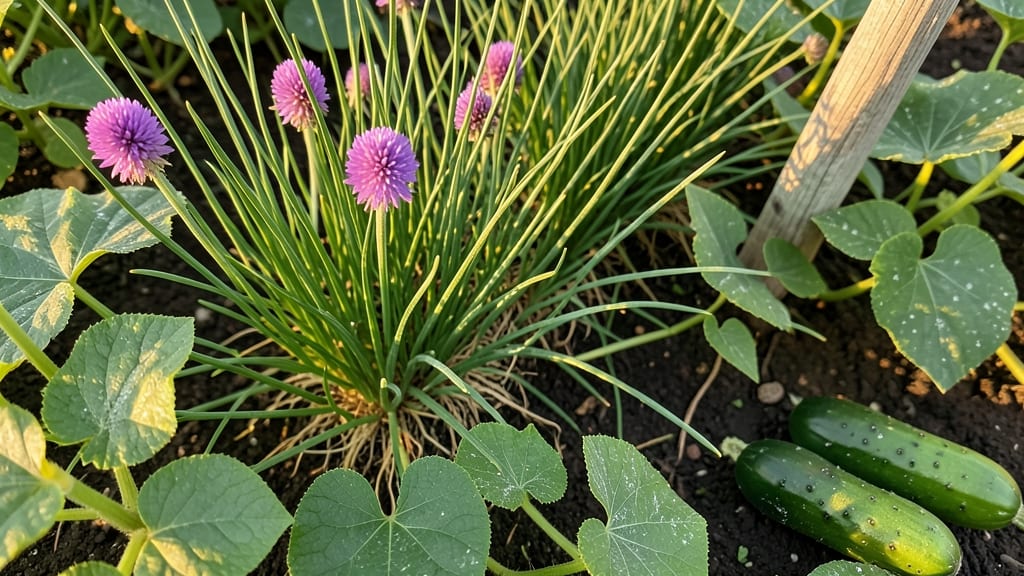
If you're battling powdery mildew on your cucumbers, chives are your secret weapon—this hardy herb doubles as a natural fungicide while adding beauty and flavor to your harvest. Their delicate purple blooms not only deter fungal spores but also attract pollinators, ensuring better fruit set for your vines.
Plant chives just 6-12 inches away from cucumbers in well-draining soil with full sun to partial shade. They thrive in containers or garden beds, making them perfect for small spaces. Snip the flower stalks for edible garnishes on cucumber salads—they add a mild onion flavor that complements fresh harvests beautifully.
Urban gardeners and organic growers will love chives for their low-maintenance nature and dual-purpose benefits. Plus, their clumping habit means no invasive spread like mint. 🌱
Parsley for Cucumber Beetle Deterrent
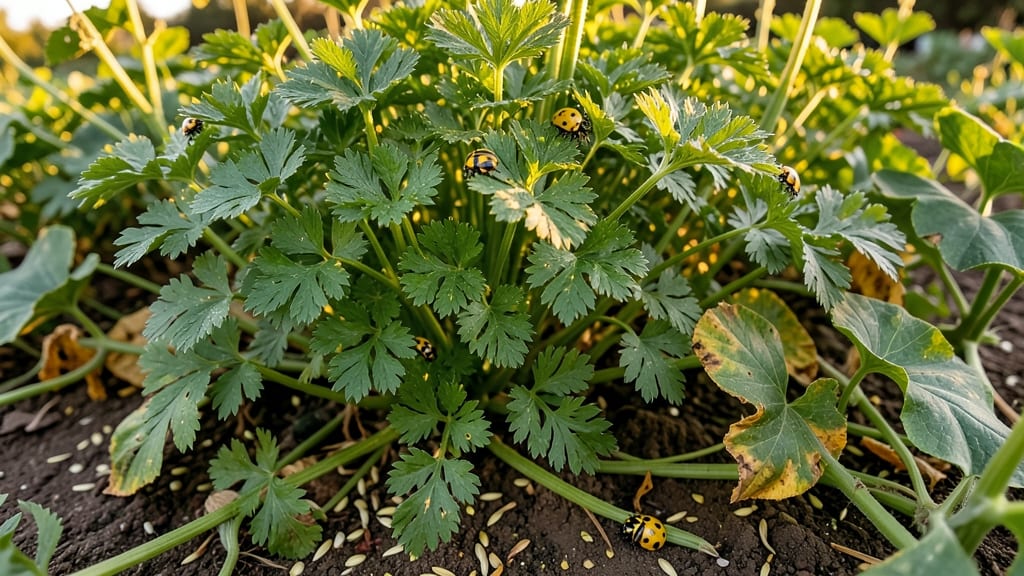
If cucumber beetles are wrecking your harvest, parsley might be your secret weapon. This hardy biennial herb confuses beetles with its strong scent while attracting ladybugs—natural predators that devour pests. Unlike annual herbs, parsley returns year after year, offering long-term protection without replanting.
Plant flat-leaf or curly parsley in spring, about 12–18 inches from cucumber vines, in well-draining soil with 4–6 hours of sun. Its deep roots also help suppress weeds, reducing competition for nutrients. Bonus: The edible leaves add fresh flavor to salads and soups, making it a dual-purpose garden star.
This herb is especially valuable for organic gardeners or those who prefer low-maintenance solutions. With its pest-deterring power and edible benefits, parsley is a must-try for cucumber lovers. 🌿
Rosemary for Air Purification
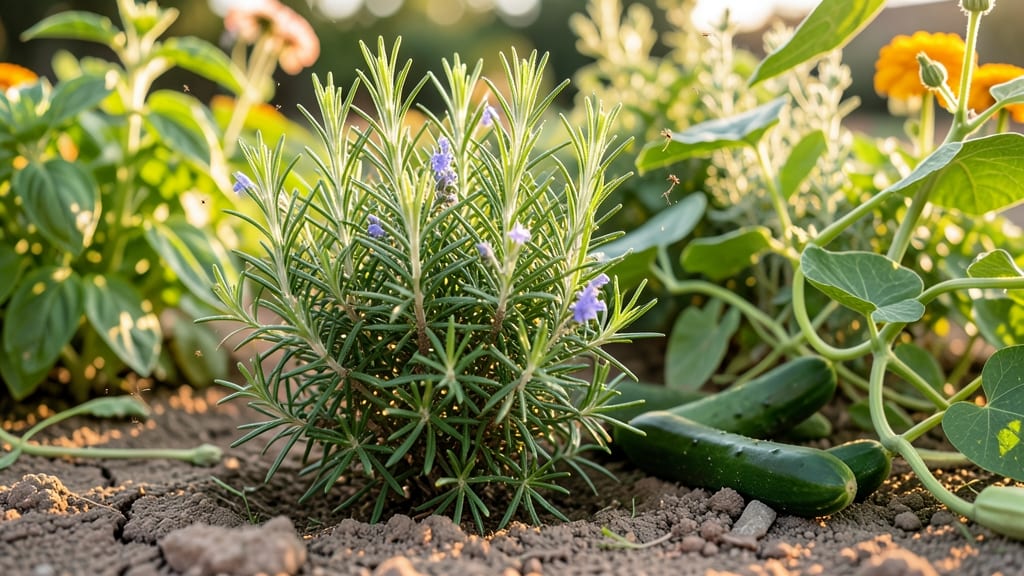
Looking to elevate your cucumbers' flavor and reduce airborne pests without extra watering? Rosemary is your secret weapon—its pine-like scent confuses flying insects while adding subtle earthy notes to your harvest. This drought-resistant herb thrives in poor soil and needs minimal care, making it ideal for busy gardeners.
Plant rosemary in well-draining soil with full sun (6+ hours daily) and keep it 18-24 inches away from cucumbers to avoid competition. Its upright growth habit makes it perfect for vertical gardens or as a trellis companion, saving space while purifying the air around your vines. Prune regularly to encourage bushier growth and harvest sprigs for culinary use.
Urban gardeners and small-space growers will love rosemary's dual role—it's a low-maintenance pest fighter and a kitchen staple. Plus, its evergreen foliage adds year-round structure to your garden. 🌿
Cilantro for Aphid Control
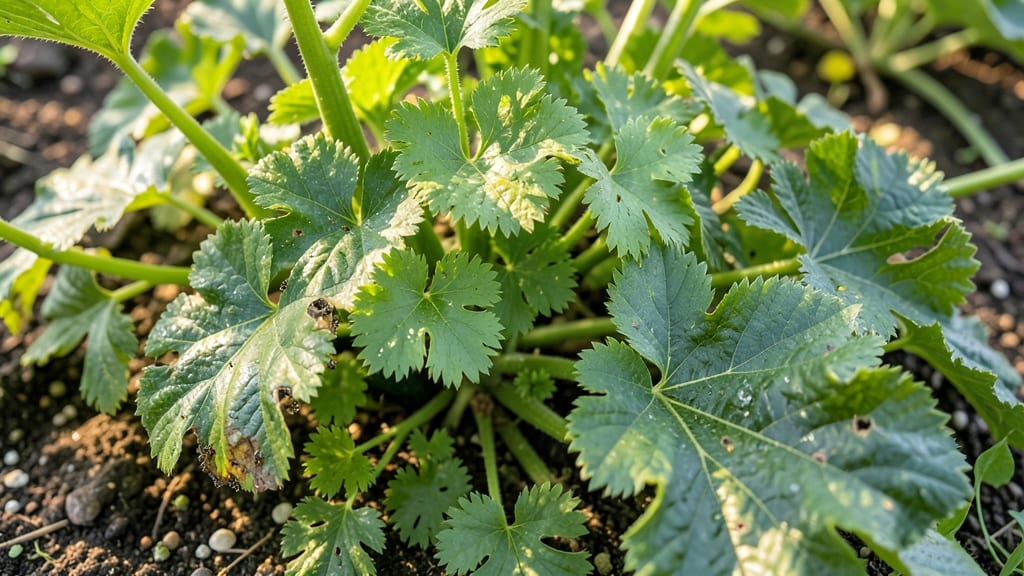
If aphids are turning your cucumber leaves into sticky, curling messes, cilantro might be your secret weapon. This fast-growing annual doesn’t just repel pests—its leaves trap aphids with natural stickiness while deterring whiteflies, giving your vines a fighting chance without chemicals.
Plant cilantro in partial shade (it bolts in full sun) about 12 inches away from cucumbers for maximum effect. Since it grows quickly, you can sow new batches every 2-3 weeks in warm climates to maintain year-round protection. Bonus: Harvest the leaves for cooking while keeping pests at bay!
This herb is especially valuable for gardeners in USDA zones 9-11 or those practicing succession planting. Its dual role as both a pest fighter and edible crop makes it a no-brainer for small spaces. 💚
Lavender for Stress Reduction

When your cucumbers wilt under summer’s scorching heat, lavender steps in as their unexpected ally—acting like a natural air conditioner for stressed plants. Its silvery foliage reflects sunlight while its calming scent helps cucumbers conserve moisture during heatwaves, reducing wilting and improving resilience.
Beyond stress relief, lavender’s strong fragrance repels cabbage moths (which also target cucumbers) and attracts pollinators like bees and hoverflies, boosting your cucumber’s fruit set. For best results, plant it in full sun with well-draining soil—avoid soggy conditions to prevent root rot. Place lavender bushes 18-24 inches away from cucumber vines to maximize benefits without shading.
This dual-purpose herb is ideal for gardeners in hot climates or those growing cucumbers in containers, where heat stress is common. 🌿