
Planting
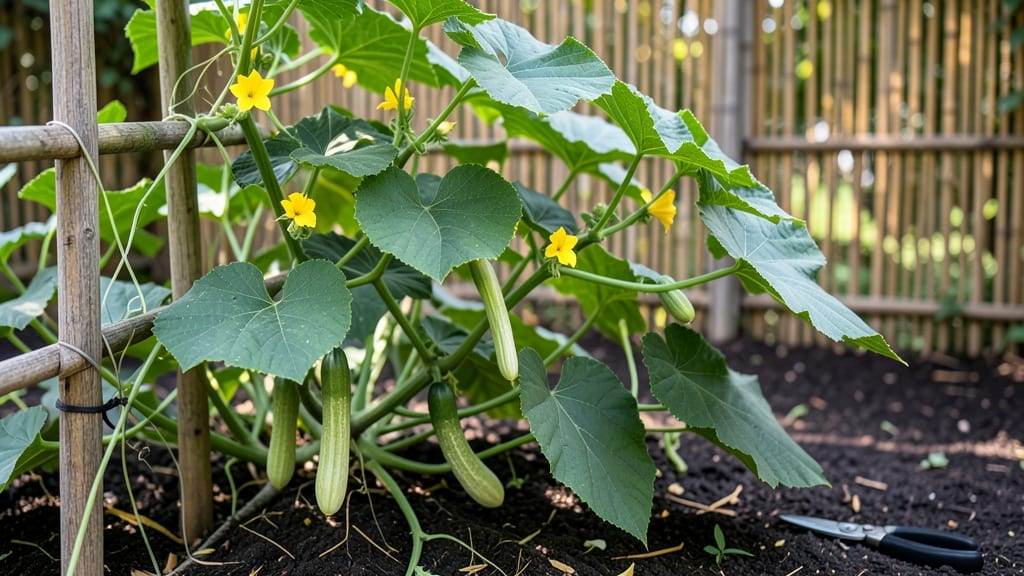
Growing a big cucumber plant that stretches across your garden isn't just possible—it's a thrilling race against time. 🌿 Within 55 days, you could be harvesting crisp, vine-ripened cucumbers if you start with the right variety and give them the space they crave.
My first attempt with a compact bush type ended in disappointment, but once I switched to a sprawling heirloom like 'Straight Eight' or 'Lemon Cucumber,' everything changed. The secret lies in soil and sunlight—cucumbers demand rich, well-draining soil and 6-8 hours of direct sun daily.
I learned this the hard way when my first plants wilted under afternoon shade. Trellising isn't just for looks; it keeps fruits clean, improves air circulation, and prevents disease. A sturdy 6-foot trellis or even a simple wire fence works wonders, turning sprawling vines into a vertical masterpiece.
By mid-summer, your plant could be 10-15 feet long, producing 20+ cucumbers weekly if you stay on top of watering and fertilization. The key is consistency: keep soil moist (not soggy) and feed with compost tea every 2-3 weeks.
Prune aggressively to direct energy toward fruit production, and watch your garden transform into a lush, productive jungle. This method works for backyard plots, raised beds, or even large containers—just scale the support system. The payoff?
A harvest that rivals any grocery store, with cucumbers that taste like summer in every bite. Let’s get those seeds in the ground!
📚 In This Guide
- What you need
- Instructions
- Tips and common mistakes
- Wrapping up and next steps
What you need
- ● Cucumber Seeds or Seedlings: Choose a vining variety like ‘Straight Eight,’ ‘Marketmore,’ or ‘Lemon Cucumber’ (5–10 seeds or 3–5 seedlings for a small garden).
- ● Containers or Garden Bed: Containers: 5-gallon pots or larger (1–2 plants per container).
- ● Garden Bed: At least 3–4 feet wide and 12–18 inches deep per plant (cucumbers love to sprawl!).
- ○ High-Quality Potting Mix or Soil: Well-draining, rich in compost (avoid heavy clay). Optional: Add 1 cup of perlite or vermiculite per 5-gallon bag for aeration.
- ● Fertilizer: Balanced (10-10-10) or Organic: 1–2 tablespoons per plant at planting time.
- ● High-Nitrogen (e.g., fish emulsion): For foliage growth (apply every 2–3 weeks).
- ● Gloves & Hand Trowel: For planting and soil prep.
- ● Trellis or Cage: 4–6 feet tall (bamboo, metal, or DIY wooden frames). Pro Tip: 💡 Cucumbers climb faster with vertical support!
- ● Mulch (Straw or Black Plastic): To retain moisture and suppress weeds.
- ● Watering Can or Hose with Nozzle: Cucumbers need 1–2 inches of water weekly (drip irrigation is ideal).
- ● Pruning Shears: For trimming excess vines or yellow leaves.
- ● Sunlight: 6–8 hours of full sun daily (non-negotiable!).
- ● Warmth: Soil temps should be 60°F+ for germination (use a heat mat if starting indoors early).
- ● Companion Plants: Marigolds (pest control) or radishes (space savers).
- ● Shade Cloth: For hot climates (prevents sunscald on fruits).
- ● Epsom Salt: 1 tablespoon per gallon of water (boosts magnesium for big vines).
- ● Row Covers: For early planting (protects from pests and frost).
How to grow big, productive cucumber plants in 55 days
Here’s how I coax those massive, vine-laden cucumbers from seed to harvest—no fancy tricks, just proven techniques.
🌱 Step 1: Start Seeds Indoors for a Head Start
Plant 4 cucumber seeds in a 3-inch-wide pot filled with sterile seed-starting mix, about ½ inch deep. I use a heat mat set to 75-85°F because cucumbers germinate best in warm soil. Place the pot in a humidity dome or cover it with plastic wrap to trap moisture—cucumber seeds need consistent dampness to sprout.
Keep the soil moist (not soggy) until germination, which usually takes 5-7 days. Once the first true leaves appear (those are the second set after the initial seed leaves), remove the dome. This prevents fungal diseases that love damp, unventilated conditions. Place the seedlings under a grow light for 14-16 hours daily—cucumbers stretch like crazy without enough light.
🪴 Step 2: Transplant Outdoors After Warmth Arrives
Wait until nighttime temperatures stay above 55°F before moving seedlings outside. Harden them off by placing them in a sheltered spot for 2-3 hours the first day, gradually increasing time over 5-7 days. Cucumbers are frost-sensitive, so don’t rush—you’ll know they’re ready when they’re standing tall and vibrant, not wilting.
Dig a hole twice as wide as the root ball and mix in 2 cups of compost to enrich the soil. Space plants 3-4 feet apart—they’ll sprawl, and crowding leads to disease. Bury the stem 1-2 inches deeper than it was in the pot to encourage stronger root growth. Water deeply right after planting to settle the soil around the roots.
☀️ Step 3: Provide Support and Optimal Growing Conditions
Cucumbers are heavy vines, so install a trellis or sturdy cage immediately. I use 6-foot bamboo stakes tied with twine—it’s cheap and lets vines climb naturally. Train the main vine upward, pinching off side shoots until the plant reaches the top. This focuses energy on fruit production instead of excessive leaf growth.
Water deeply 2-3 times per week, aiming for 1-2 inches of moisture. Let the top inch of soil dry between waterings—consistent moisture prevents bitter fruit. Mulch with 2-3 inches of straw to retain moisture and keep soil temperatures stable. Cucumbers thrive in full sun (6+ hours daily), but in extreme heat, provide afternoon shade to prevent sunscald on young fruit.
✂️ Step 4: Prune and Harvest for Maximum Yield
Once vines hit the top of the trellis, prune the tips to stop vertical growth. This redirects energy to fruit production. I also remove yellowing leaves and any that touch the ground to prevent disease. Harvest every 2-3 days—cucumbers grow fast, and overripe fruit saps the plant’s energy. Pick when they’re firm, bright green, and 6-8 inches long for best flavor.
Here’s the thing—don’t let cucumbers turn yellow or develop a waxy coating. That means they’re overripe and the plant will slow down production. If you see flowers but no fruit, hand-pollinate by gently shaking the vines in the morning. Cucumbers are self-pollinating, but a little help ensures every bloom turns into a harvest.
Tips & tricks for growing massive cucumber vines
These game-changing strategies will help you coax those sprawling, high-yielding cucumber vines into reality—without the guesswork.
Seed Starting Secret: The 75-85°F heat mat temperature is non-negotiable for germination. I’ve tried cooler temps, and it takes twice as long—or worse, seeds rot. Use a digital thermometer to monitor soil temperature, especially if your home gets chilly at night. For extra insurance, place the pot on a towel over a warm radiator (just don’t let it get above 90°F). The humidity dome isn’t optional either—cucumber seeds need that moist environment to break dormancy.
Transplanting Timing: That 55°F nighttime minimum isn’t just about frost protection—it’s when cucumber roots finally activate properly. I’ve transplanted too early, and the plants wilted within days. Check your local extended forecast for a 3-day stretch above 60°F during the day too. The gradual hardening off (2-3 hours → 5-7 days) prevents transplant shock, but don’t skip the final check: leaves should still look perky after their longest outdoor stint.
Vine Management: The trellis isn’t just for looks—it’s where the magic happens. When training vines, always guide the main stem upward first. Once it hits the top of your 6-foot stake, pinch off the growing tip to redirect energy to fruit production. I’ve seen gardeners let vines sprawl, and while they get more leaves, they produce half as many cucumbers. That said, don’t go overboard with pruning—leave 3-4 strong side shoots per vine for balanced growth.
Watering Wisdom: The 1-2 inches of moisture per week is a guideline, but timing matters more. Water deeply in the morning so leaves dry by evening—this prevents fungal diseases like powdery mildew, which cucumbers are prone to. I use a rain gauge to track accumulation, and if we get heavy rain, I skip my scheduled watering that week. Overwatering causes blossom-end rot, which ruins fruit quality.
Pro Tips for Big Cucumber Plant
- These game-changing strategies will help you coax those sprawling, high-yielding cucumber vines into reality—without the guesswork.
- Seed Starting Secret: The 75-85°F heat mat temperature is non-negotiable for germination.
- Transplanting Timing: That 55°F nighttime minimum isn’t just about frost protection—it’s when cucumber roots finally activate properly.
Frequently asked questions
Got questions about growing massive cucumber plants? You’re not alone!
Here are answers to the most common queries—from spacing to pests and everything in between.
How much space do big cucumber plants really need?
Big cucumber varieties like ‘Straight Eight’ or ‘Marketmore’ need 3–6 feet of horizontal space to sprawl. If growing vertically (with trellises), you can reduce this to 1–2 feet per plant. Just ensure vines have room to stretch—crowding leads to poor airflow and disease. Pro tip: Use a sturdy trellis or fence to save space and improve yield!
Can I harvest cucumbers in just 55 days?
Yes! Fast-maturing varieties like ‘Bush Champion’ or ‘Suyo Long’ deliver in 50–55 days from transplanting (or 60–70 days from seed). For best results, plant after the last frost when soil is at least 60°F. Start seeds indoors 3–4 weeks early if your climate is cool. Patience pays off—harvest early for the sweetest cucumbers!
What’s the fastest way to fix cucumber plant pests?
Common culprits include cucumber beetles, aphids, and powdery mildew. For beetles, handpick them or use neem oil. Combat mildew with copper fungicide or a baking soda spray (1 tsp baking soda + 1 quart water + a drop of dish soap). Row covers prevent pests before they arrive!
Are there compact alternatives to big vining cucumbers?
If space is tight, try bush cucumbers like ‘Bush Champion’ (4–5 ft tall) or ‘Spacemaster’ (2–3 ft). These don’t vine aggressively and produce well in containers. For vertical gardens, ‘Armenian’ or ‘Lemon’ cucumbers thrive on trellises while staying manageable. Just ensure containers are at least 5 gallons for healthy roots!
Do big cucumber plants need full sun?
Yes! Cucumbers are sun-worshippers and need 6–8 hours of direct sunlight daily. Partial shade (especially in hot climates) can reduce yield and increase disease risk. If your garden is shady, opt for shorter varieties or supplement with grow lights. A south-facing spot is ideal for maximum growth!
Wrapping up and next steps
Growing a big cucumber plant is a rewarding journey that delivers fresh, homegrown produce in just 55 days—and with the right techniques, you’ll be feasting on crisp, vine-ripened cucumbers in no time! 🌱 From selecting the perfect variety to mastering trellising and pest control, every step sets you up for success.
Whether you're a seasoned gardener or a curious beginner, these tips will help you cultivate thriving vines and bountiful harvests.
Now that you’re armed with the know-how, roll up your sleeves and get planting! Start small with a single plant or go all out—either way, your garden (and taste buds) will thank you. Happy growing! 🌿