
Vegetables
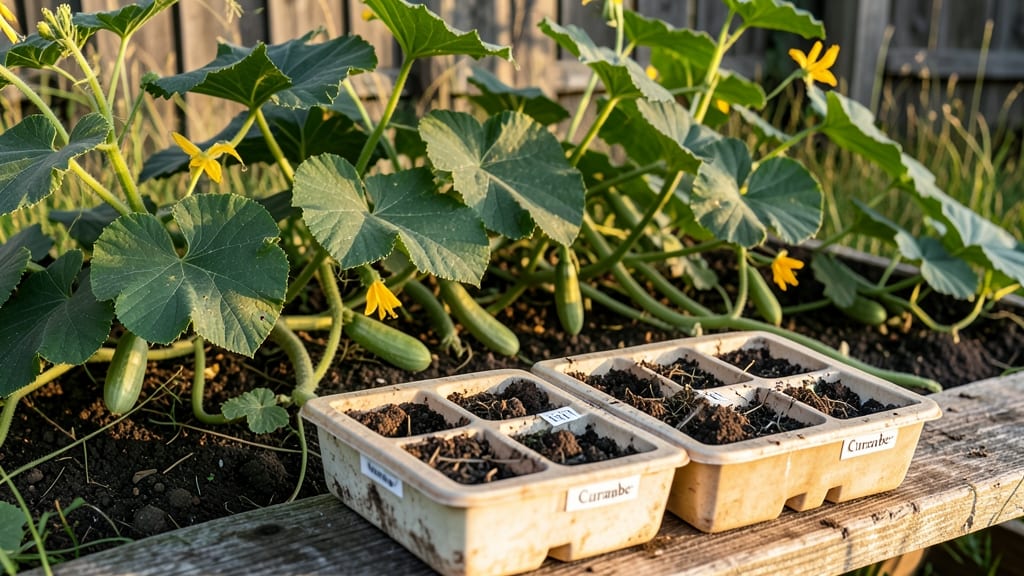
Storing cucumber seeds properly means saving money and growing heirloom varieties year after year. ✨ The key is drying them thoroughly before sealing them in airtight containers—moisture is the enemy of long-term viability.
I’ve saved seeds from my best-performing cucumbers for three seasons now, and they still germinate at over 90% when stored right.
You’ll need a cool, dark place (like a pantry), a paper towel or mesh bag for initial drying, and small envelopes or jars with tight seals. The process takes about two weeks, but it’s worth it to avoid starting from scratch every spring.
Most home gardeners overlook proper drying, which leads to moldy seeds or poor germination.
By the end of the process, you’ll have seeds that stay viable for 3-5 years—some even last longer if kept perfectly dry. The first time you plant these stored seeds and see strong, healthy seedlings emerge, you’ll wonder why you didn’t start sooner.
This method works for all cucumber varieties, whether you’re saving seeds from store-bought plants or your own garden favorites. Let’s get those seeds ready for next year’s harvest!
📚 In This Guide
- What you need
- Instructions
- Tips and common mistakes
- Wrapping up and next steps
What you need
- ● Mature cucumber seeds: Harvest seeds from fully ripened cucumbers (preferably organic or homegrown for best viability). Aim for 1–2 cucumbers per batch to yield enough seeds.
- ● Small bowl or container: A shallow dish (like a ceramic or glass bowl) to ferment seeds—size should fit 1–2 cucumbers comfortably.
- ● Water: Room-temperature water (enough to cover seeds by 1–2 inches). Avoid tap water if it’s heavily chlorinated.
- ● Fine mesh strainer or cheesecloth: For rinsing seeds gently. A strainer with 0.02-inch holes works best.
- ● Paper towels or coffee filters: To dry seeds thoroughly. Use 1–2 sheets per batch.
- ● Airtight storage container: Choose a small glass jar, plastic bag with a zip lock, or seed envelope. Ensure it’s completely dry and clean.
- ○ Silica gel packets (optional but recommended): 1–2 packets to absorb excess moisture inside the container.
- ● Permanent marker or labels: To mark the container with the seed type and date (e.g., "Cucumber – Hybrid – 2024").
- ● Plastic spoon or spatula: For stirring seeds during fermentation.
- ● Fine-tip tweezers: Helpful for separating seeds from pulp if needed.
- ● Desiccant packets (alternative to silica gel): Uncooked rice or cat litter (place in a small cloth pouch).
- ● Vacuum sealer: For long-term storage (extends shelf life by 1–2 years).
- ● Notebook: To log storage conditions (e.g., temperature, humidity) for future reference.
Step-by-Step instructions for storing cucumber seeds
Here's my foolproof method to keep cucumber seeds viable for planting next season.
🌱 Step 1: Extract Seeds from Ripe Cucumbers
Choose cucumbers that are fully ripe but not overripe—think deep green with firm skin. Cut them open and scoop out the seeds along with the gel-like pulp. Place the mixture in a bowl and let it ferment for 3-5 days at room temperature. This fermentation helps separate the seeds from the pulp.
Stir the mixture daily to prevent mold growth. You'll know it's ready when the seeds sink to the bottom and the pulp turns cloudy or slightly foul-smelling. The fermentation process also removes some natural inhibitors that could prevent germination.
💧 Step 2: Clean and Dry the Seeds
Pour the fermented mixture through a fine-mesh strainer to separate the seeds from the pulp. Rinse the seeds under cool water to remove any remaining gel. Spread them out on a paper towel or clean, dry surface. I like to use a flat baking sheet lined with paper towels for even drying.
Let the seeds air-dry completely for 3-5 days in a warm, dry place away from direct sunlight. They're ready when they feel dry to the touch and make a rattling sound when shaken in their container. If you leave them too long, they'll lose viability—so check daily after the first few days.
☀️ Step 3: Store Seeds in a Cool, Dark Place
Once completely dry, transfer the seeds to a labeled envelope or small airtight container. I use glass jars with tight-sealing lids for long-term storage. Place a silica gel packet inside if your climate is humid—this helps absorb any moisture that could cause mold.
Store the container in a cool, dark place like a pantry or refrigerator. The ideal temperature range is 32-41°F. Label each container with the cucumber variety and the year you saved the seeds. This ensures you'll know exactly what you're planting next season and how old the seeds are.
⏰ Step 4: Test Seed Viability Before Planting
After storing for 6-12 months, test a few seeds to check viability. Place 10 seeds between damp paper towels in a sealed plastic bag. Keep them in a warm spot (around 70°F) and check daily. Seeds should sprout within 5-10 days. If fewer than half sprout, consider purchasing fresh seeds for better germination rates.
If the seeds pass the viability test, you're ready to plant. Store any remaining seeds in the same cool, dark conditions for another year. Most cucumber seeds remain viable for 4-5 years if stored properly, though germination rates may decline after the first year.
Tips & tricks for perfectly viable cucumber seeds
These simple strategies will help you maximize seed longevity and germination success.
The Fermentation Factor: In Step 1, when fermenting your seeds for that critical 3-5 day period, place a small plate over the bowl to keep fruit flies away. These pests can contaminate your mixture, and I learned this the hard way after dealing with maggots in my first batch. The fermentation smell is normal—it's how those natural germination inhibitors break down, but you don't need the extra guests!
Drying Strategy: For Step 2, I've found that using a fan on low speed while drying helps speed up the process slightly without risking overheating. Position it so it circulates air around the seeds rather than directly blowing on them. This cuts drying time by about 24 hours while maintaining viability. Just be vigilant about checking daily—the seeds are ready when they make that satisfying rattling sound when shaken.
Storage Wisdom: When storing your seeds in Step 3, consider adding a small packet of uncooked rice to your container alongside the silica gel. The rice acts as a natural moisture absorber and can help maintain that critical dry environment, especially in humid climates. I've had great success with this method in my basement storage area where humidity fluctuates.
Viability Test Tip: In Step 4, when testing seed viability, I recommend testing a second batch of 10 seeds after 14 days if the first batch didn't sprout. Sometimes seeds need that extra time to break dormancy, and you want to be sure you're not throwing away viable seeds. Just keep the second batch in the same warm conditions—around that 70°F mark is perfect for encouraging germination.
Pro Tips for Store Cucumber Seeds
- These simple strategies will help you maximize seed longevity and germination success.
- The Fermentation Factor: In Step 1, when fermenting your seeds for that critical 3-5 day period, place a small plate over the bowl to keep fruit flies away.
- Drying Strategy: For Step 2, I've found that using a fan on low speed while drying helps speed up the process slightly without risking overheating.
Frequently asked questions
Got questions about storing cucumber seeds? You’re not alone!
Here are answers to the most common concerns—so you can keep those seeds fresh and ready for your next garden.
How long can I store cucumber seeds before they lose viability?
Most cucumber seeds stay viable for 3–5 years if stored properly in a cool, dry place. After that, germination rates drop, but they might still sprout—just test a few to check! For best results, use seeds within 2–3 years for peak performance. Pro tip: Label seed packets with the harvest date to track freshness.
Do I need to dry cucumber seeds before storing them?
Wet or damp seeds mold or rot in storage. After scooping seeds from cucumbers, spread them on a paper towel or mesh screen in a warm, dry spot (like a sunny windowsill) for 3–5 days. Stir them occasionally until completely dry and brittle. Once dry, transfer to an airtight container—no moisture allowed! Warning: Skipping this step = wasted seeds.
What’s the best container for long-term seed storage?
Use an airtight, moisture-proof container like a glass jar, plastic bag with a zip lock, or a seed storage box (available at garden centers). Avoid cardboard—it absorbs humidity. Add a desiccant packet (like those in shoe boxes) to absorb any lingering moisture. For extra protection, store containers in the fridge or freezer (though room temperature works for short-term).
Can I store cucumber seeds in the fridge or freezer?
Yes! While room temperature (50–70°F) is fine for 1–2 years, the fridge (32–40°F) or freezer (below 32°F) slows aging and extends viability to 5+ years. Just use airtight, labeled containers to prevent freezer burn. Thaw seeds overnight before planting—no need to worry about moisture damage if stored correctly!
What if my seeds sprout mold or smell bad after storage?
Moldy or funky-smelling seeds are contaminated—discard them immediately! This usually happens from moisture exposure or poor drying. To prevent it, always double-check dryness before sealing containers, and store seeds in a cool, dark place (like a pantry or basement). If you’re unsure, do a germination test: Plant 5–10 seeds in damp paper towels—if <50% sprout in 7–10 days, replace your seed batch.
Can I store seeds from heirloom or hybrid cucumbers the same way?
Yes! Both heirloom and hybrid cucumber seeds store similarly, but heirlooms may produce truer-to-type plants if saved long-term (hybrids can lose vigor). For hybrids, check the packet—some brands recommend buying fresh seeds yearly. Heirloom seeds are great for saving, but store them in small batches (50–100 seeds) to avoid overcrowding containers.
Wrapping up and next steps
Storing cucumber seeds properly ensures you’ll have fresh, viable seeds ready for next season’s garden! By following these simple steps—harvesting, drying, and storing in a cool, dark place—you’ll preserve their quality and save money on new seeds.
Whether you’re a seasoned gardener or just starting out, your green thumb is about to get a little more sustainable!
Now that you’re ready to store your seeds, why not plan your next planting schedule? Research the best cucumber varieties for your climate, sketch out a garden layout, or even experiment with seed-saving techniques for other veggies. Happy gardening! 🌱💚