
Vegetables
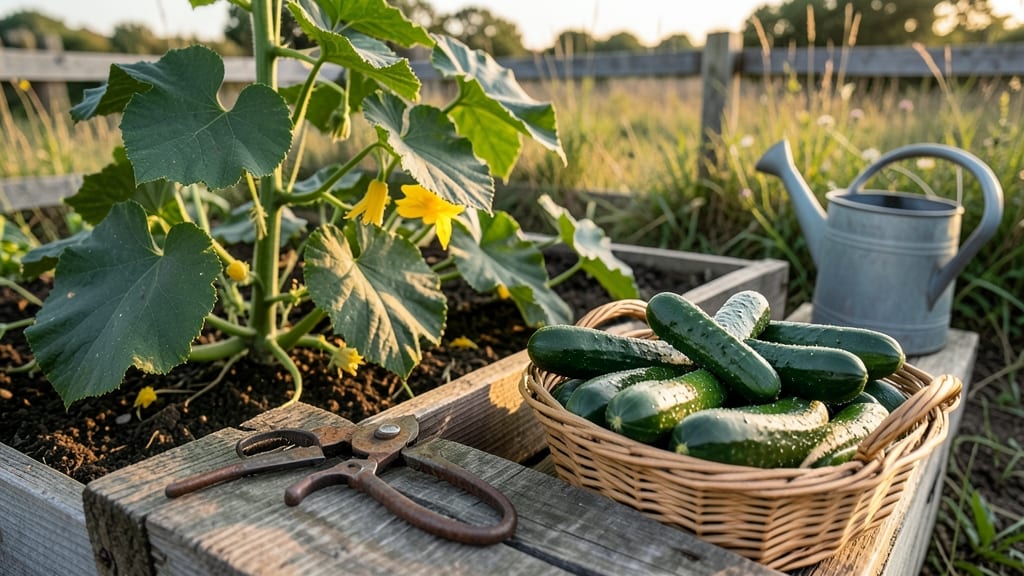
Nothing beats biting into a cucumber so crisp and sweet it makes store-bought ones taste like wax. 🌱 The secret lies in choosing the right varieties—like 'Straight Eight' or 'Marketmore'—and growing them with care to eliminate bitterness and boost flavor.
I've wasted years on bitter cucumbers until I learned these tricks that turn vines into flavor factories.
Start with well-draining soil rich in compost and a spot that gets full sun. Cucumbers need consistent moisture, so water deeply at the base daily, avoiding wetting the leaves to prevent disease.
A balanced organic fertilizer every 2-3 weeks keeps them thriving, and pruning encourages better air flow and sweeter fruit. The payoff? Cucumbers that taste like summer in every bite.
Most people mess up by overwatering or letting the plants get too crowded, which leads to bitter, seedy cucumbers. Focus on pollination too—hand-pollinate if bees are scarce, and harvest when they're firm and dark green.
Within 50 days, you'll have vines producing cucumbers that taste like they belong in a gourmet salad, not the produce aisle.
This method works for gardeners in warm climates or even containers—just adjust watering for heat waves. The key is consistency: good soil, proper watering, and regular harvesting. Once you master it, you'll never buy cucumbers again.
📚 In This Guide
- What you need
- Instructions
- Tips and common mistakes
- Wrapping up and next steps
What you need
- ● Cucumber Seeds: 1–2 packets of slicing cucumber seeds (e.g., 'Straight Eight,' 'Marketmore,' or 'Armenian' for mild flavor). Avoid bitter varieties like 'Lemon' or 'Bush Champion' unless you love tang!
- ● Growing Medium: Option 1 (In-Ground): Well-draining soil with a pH of 6.0–6.8. Amend with 2–3 inches of compost or aged manure.
- ● Option 2 (Containers): 5-gallon pots or larger (cucumbers need space!). Use a high-quality potting mix with perlite or vermiculite for aeration.
- ● Fertilizer: Balanced fertilizer (e.g., 10-10-10 or 5-5-5) for planting. Switch to low-nitrogen, high-potassium (e.g., 0-10-10) once vines start growing to boost flavor.
- ● Watering Supplies: Watering can or drip irrigation system (consistent moisture is key!)
- ● Mulch (straw or black plastic) to retain moisture and suppress weeds.
- ● Garden Tools: Trowel or small shovel for planting.
- ● Pruning shears (to trim vines and remove bitter fruits).
- ● Garden twine and stakes or a trellis (for vertical growth—saves space and improves air circulation!).
- ○ Optional (But Helpful!): Soil test kit (to check pH and nutrient levels).
- ● Row covers or shade cloth (if your climate gets too hot).
- ● Epsom salt (1 tbsp per plant every 2 weeks for magnesium boost).
- ● Compost tea or fish emulsion (for a nutrient kick).
- ● Warm soil temperatures (60°F/15°C or higher—cucumbers hate cold!). Use a soil thermometer if unsure.
- ● Full sun exposure (6–8 hours daily). Partial shade in hot climates can help prevent bitterness.
- ● Patience! Cucumbers take 50–70 days to mature, but the wait is so worth it for that crisp, sweet bite!
Step-by-step guide to growing crisp, zero-bitter cucumbers
Here's the foolproof method I've used for years to grow cucumbers that taste fresh from the vine—not store-bought bland. The secret? Variety selection, soil science, and consistent care.
🌱 Step 1: Select the Right Variety and Prepare the Soil
Start with slicing cucumber varieties like 'Straight Eight' or 'Marketmore 76'—they're bred for sweetness and crispness, not bitterness. Avoid bitter-tasting types like 'Lemon' or 'Bush Champion' unless you enjoy that sharp flavor. Test your soil's pH and aim for 6.5-6.8, the sweet spot for cucumber flavor development.
Amend your soil with 2-3 inches of compost mixed into the top 12 inches. Cucumbers are heavy feeders, so add 1 cup of 10-10-10 fertilizer per plant at planting time. Work it in gently—don't disturb the roots you'll plant next. If your soil drains poorly, add a 2-inch layer of coarse sand or perlite to improve aeration.
☀️ Step 2: Plant at the Right Time and Provide Support
Wait until soil temperatures reach at least 65°F before planting—cold soil slows germination and leads to weak, bitter-tasting vines. Plant seeds 1 inch deep and 3-4 inches apart in hills spaced 5-6 feet apart. This spacing gives vines room to sprawl without competing for nutrients.
Install trellises or strong stakes at planting time. Cucumbers trained vertically produce straighter, sweeter fruit with fewer blemishes. Use 5-6 foot tall trellises and weave vines gently as they grow. Avoid metal stakes—they heat up in sun and can scorch tender vines. Instead, opt for wooden or bamboo supports that stay cool.
💧 Step 3: Water Deeply and Consistently
Cucumbers need 1-2 inches of water per week, delivered directly to the soil—not the leaves. Use drip irrigation or soaker hoses to keep foliage dry, which prevents powdery mildew (a common enemy of crisp cucumbers). Water in the early morning so leaves dry quickly during the day.
Here's the trick: water deeply every 2-3 days instead of light daily doses. This encourages roots to grow deep, producing fruit with better texture and flavor. You'll know you're doing it right when the top 6 inches of soil feel dry between waterings. Avoid wetting the leaves—this spreads disease and dulls flavor.
✂️ Step 4: Prune and Harvest for Maximum Flavor
Pinch off the first flower cluster that appears—this encourages stronger vine growth before fruiting. After that, let flowers develop into fruit. Once cucumbers reach 6-8 inches long, harvest them immediately. Waiting longer makes them seedy, watery, and bitter. Use sharp pruners to cut stems cleanly, leaving a small stub.
Prune suckers (the small shoots that grow in the leaf axils) to focus the plant's energy on fruit production. Remove any yellowing or diseased leaves promptly—don't let them linger, as they harbor pathogens. Harvest every 2-3 days during peak production. Regular harvesting triggers more flowers and keeps the plant productive longer.
🌿 Step 5: Fertilize and Protect for Continuous Harvests
Feed plants with liquid fertilizer every 2-3 weeks once they start flowering. Use a balanced 10-10-10 or a high-potassium formula like 5-10-10 to boost sweetness. Apply fertilizer in the early morning when plants are actively photosynthesizing—this maximizes uptake.
Protect vines from pests like cucumber beetles and squash bugs, which transmit diseases that ruin flavor. Use row covers early in the season or handpick beetles daily. For organic control, spray plants with neem oil weekly as a preventative. Healthy vines produce the crispiest, sweetest cucumbers—don't skip this step.
Tips & tricks for growing crisp, zero-bitter cucumbers
Here's what nobody tells you about growing cucumbers that actually taste fresh—not like the sad store-bought versions.
Variety Selection Matters: The slicing varieties like 'Straight Eight' and 'Marketmore 76' are bred specifically for sweetness and crunch. I've grown bitter-tasting varieties before, and honestly, it's a waste of time unless you're going for that sharp flavor intentionally. For the best results, stick to these varieties and avoid anything labeled "Lemon" or "Bush Champion" unless you're prepared for disappointment.
Soil Temperature is Non-Negotiable: That minimum 65°F soil temperature isn't just a suggestion—it's the difference between sweet, crisp cucumbers and bitter, underdeveloped ones. I learned this the hard way when I planted too early in cool spring soil. Use a soil thermometer to check before planting. If your soil is cooler than 65°F, wait it out—your patience will pay off with better flavor.
Vertical Training is a Game-Changer: Those 5-6 foot tall trellises might seem like overkill, but they're worth it. Cucumbers grown vertically develop straighter fruit with fewer blemishes, and they're easier to harvest without damaging the vines. I've tried metal stakes before, and they can actually scorch the tender vines in hot sun. Wooden or bamboo supports stay cool and work better. Plus, vertical growth improves air circulation, which helps prevent powdery mildew—the enemy of crisp cucumbers.
Harvest Timing is Everything: The 6-8 inch size range for harvesting is critical. I know it's tempting to wait for bigger cucumbers, but that's when they start becoming seedy and watery. Use sharp pruners to cut stems cleanly—don't tear them, as this can damage the plant. Harvesting every 2-3 days during peak production keeps the plant focused on producing more fruit rather than maturing existing ones. This consistent harvesting schedule is what gives you that continuous supply of crisp, sweet cucumbers.
Pro Tips for Best Tasting Cucumber
- Here's what nobody tells you about growing cucumbers that actually taste fresh—not like the sad store-bought versions.
- Variety Selection Matters: The slicing varieties like 'Straight Eight' and 'Marketmore 76' are bred specifically for sweetness and crunch.
- Soil Temperature is Non-Negotiable: That minimum 65°F soil temperature isn't just a suggestion—it's the difference between sweet, crisp cucumbers and bitter, underdeveloped ones.
Frequently asked questions
What’s the fastest way to grow cucumbers with the best flavor?
For a crisp, zero-bitter harvest in just 50 days, opt for bush varieties like ‘Bush Champion’ or ‘Spacemaster.’ Plant seeds 1 inch deep in warm soil (70°F+) and provide a trellis or cage to improve air circulation and reduce bitterness. Harvest frequently—every 2–3 days—to encourage sweet, tender fruit!
How do I know when cucumbers are fully ripe and ready to pick?
Look for firm, glossy skin and a bright green color (avoid yellowing!). Size matters too: most slicing cucumbers should be 6–8 inches long, while pickling varieties are best at 2–3 inches. Pro tip: Use your fingernail—if it leaves a shallow mark, it’s ripe!
Why do my cucumbers taste bitter? How can I fix it?
Bitterness often stems from overripe fruit, stress (heat/drought), or poor pollination. To prevent it:
- Water consistently (1–2 inches per week) and mulch to retain moisture.
- Harvest early—bitterness peaks as cucumbers mature.
- Hand-pollinate if bees are scarce (gently shake plants or use a paintbrush).
Can I grow cucumbers in containers? What’s the best setup?
Choose compact varieties like ‘Patio Snacker’ or ‘Spacemaster’ and use a 5-gallon container minimum with drainage holes. Fill with well-draining potting mix and place in full sun (6+ hours/day). Add a trellis to save space and improve airflow!
What’s the best alternative if cucumbers don’t grow well in my climate?
If your zone struggles with cucumbers, try heat-tolerant varieties like ‘Straight Eight’ or ‘Marketmore 76.’ For cooler climates, opt for shorter-season types like ‘Northern Pickling’ or grow in greenhouses/containers for extended harvests. Bonus: Try zucchini or summer squash—they’re similarly versatile and often more forgiving!
How do I store cucumbers to keep them fresh and tasty?
Store whole, unwashed cucumbers in the crisper drawer of your fridge (not the door) for up to 1 week. For longer storage, pickle or ferment them! Avoid cutting until ready to use—exposed flesh oxidizes quickly, causing sogginess.
Wrapping up and next steps
Finding the best-tasting cucumbers is all about choosing the right variety, nurturing them with care, and harvesting at peak freshness. Whether you’re a seasoned gardener or a curious beginner, these tips ensure a crisp, zero-bitter harvest in just 50 days—no green thumb required! 🌱
Now that you’re armed with the knowledge, roll up your sleeves and give it a try! Start small with a few seeds, experiment with flavors, and soon you’ll be enjoying homegrown cucumbers that outshine store-bought. Happy gardening—and happy snacking! 🥒✨