
Pests
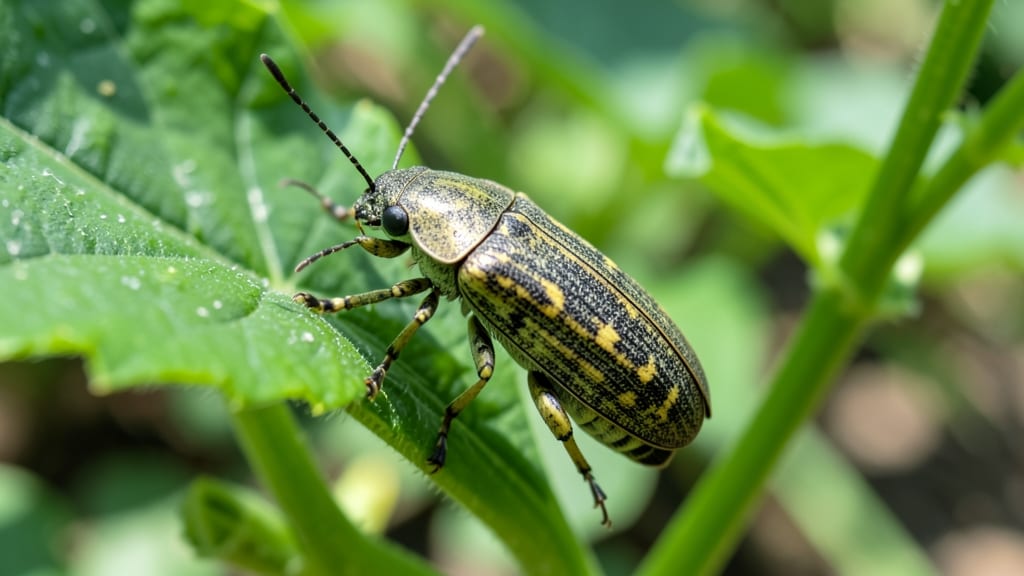
Cucumber beetles on plants mean your harvest could be gone before it starts—unless you act fast. 🌱 I’ve lost entire vines to these striped pests, but I’ve also saved others using traps that work in 24 hours or less, without harsh chemicals.
The key is catching them early with simple, effective methods that won’t harm your plants or the pollinators you need. These beetles chew leaves into lace and spread disease like bacterial wilt, which can kill your cucumbers before they even form. The good news?
Yellow sticky traps and neem oil sprays disrupt their life cycle while keeping your garden safe. You’ll see fewer beetles within a day, and your plants will start recovering almost immediately if you catch it early.
By the end of this, you’ll have a foolproof system to protect your cucumbers—no more wilting vines or wasted effort. The best part? These traps are reusable, cost almost nothing, and work just as well for squash and melons. Let’s get those beetles under control before they ruin your season.
First, identify the culprits: cucumber beetles are yellow with black stripes, while flea beetles are tiny and jump when disturbed. Both leave telltale holes in leaves, but cucumber beetles do the most damage.
Once you spot them, set out yellow sticky traps near your plants—they’re irresistible to beetles but harmless to everything else. The real game-changer is a neem oil spray (1 tablespoon per quart of water) applied at dusk. It disrupts their feeding and breeding without killing beneficial insects.
Combine this with row covers for young plants, and you’ll break their cycle before they even think about laying eggs.
Prevention is just as important as treatment. Plant radishes or nasturtiums nearby—they repel beetles naturally. Rotate crops yearly to starve out pests in the soil, and always clean up debris after harvest.
With these steps, your cucumbers will thrive, and you’ll never panic when you see those first striped beetles again.
Root Causes of Cucumber Beetles
Cucumber beetles—those tiny, striped pests—don’t just show up on your cucumber plants by accident. Their presence is almost always a sign of deeper issues in your garden’s ecosystem. Understanding why they’re there is the first step to stopping them fast.
Below, we break down the most common reasons these beetles target your plants, along with the science behind their behavior.
Cucumber beetles are drawn to stressed, weakened, or overripe plants because they’re easier to feed on and lay eggs in. Here’s why:
- Sugar-rich sap: Overripe cucumbers and vines produce more sugars, which beetles detect from afar using their antennal sensors (tiny chemical receptors on their antennae).
- Soft tissue: Damaged leaves or fruits provide easy entry for feeding, and beetles prefer plants already compromised by disease, drought, or poor nutrition.
- Egg-laying hotspots: Beetles seek out young, tender growth (like new cucumber leaves) to deposit their eggs, as the larvae will have an immediate food source.
Actionable fix: 💡 Harvest cucumbers promptly, remove fallen or rotting fruit, and avoid overwatering to prevent soft, beetle-friendly tissue.
Cucumber beetles thrive when their natural enemies are absent. Common predators include:
- Ground beetles (they hunt larvae)
- Ladybugs (devour eggs and young beetles)
- Spiders and lacewings (catch adult beetles in webs)
- Birds and toads (eat them on sight)
Why it happens:
- Pesticide use: Broad-spectrum sprays kill both pests and beneficial insects, creating a vacuum that beetles fill.
- Monoculture gardening: Planting only cucumbers (or other cucurbits like squash) removes biodiversity, reducing predator populations.
- Urban/suburban gardens: Fewer wild predators exist in manicured lawns compared to diverse, wild gardens.
Actionable fix: ✨ Plant companion flowers like marigolds, dill, or cosmos to attract predator insects. Avoid chemical sprays and opt for neem oil or kaolin clay instead.
Cucumber beetles love heat—they’re most active when temperatures rise above 70°F (21°C). Here’s how your garden might be creating their perfect conditions:
- South-facing beds: These areas absorb more sunlight, raising soil and air temperatures—ideal for beetle activity.
- Poor airflow: Dense plantings or tall weeds trap heat, making microclimates even warmer.
- Dry soil: Beetles prefer moist, warm soil for egg-laying, so drought-stressed plants with shallow roots become prime targets.
Actionable fix: 🌡️ Use shade cloth on young plants, space cucumbers for airflow, and mulch with straw to regulate soil temperature.
Beetles overwinter in garden debris and return to the same family of plants (cucumbers, squash, melons) year after year.
If you’ve planted cucurbits in the same spot annually: - Larvae survive: Eggs laid last season may hatch in spring, giving adults a familiar food source. - Soil-borne diseases: Beetles spread bacterial wilt and cucumber mosaic virus, which thrive in repeatedly planted beds.
Actionable fix: 🎯 Rotate crops annually—avoid planting cucumbers, squash, or melons in the same spot for 3+ years. Interplant with radishes or lettuce to disrupt beetle cycles.
Beetles and their eggs hide in garden trash, including:
- Old vines and leaves (especially near cucumber plants)
- Weeds (like pigweed or lambsquarters, which beetles also feed on)
- Wooden mulch or compost piles (they overwinter in decaying organic matter)
Why it happens:
- Neglected cleanup: Leaving plant debris over winter gives beetles a head start in spring.
- Weedy borders: Beetles use weeds as stepping stones to reach your cucumbers.
Actionable fix: ⏰ Fall cleanup: Remove all cucumber plant material, till the soil (if possible), and pull weeds before winter. In spring, inspect mulch and borders for early signs of beetles.
Cucumber beetles don’t appear randomly—they’re responding to specific conditions in your garden. By addressing plant stress, predator loss, heat, crop history, and debris, you can make your garden less inviting to these pests.
The good news? Once you disrupt their cycle, natural traps and barriers (like the ones in this article) become even more effective!
Quick Fixes for Cucumber Pests
Cucumber beetles may seem like a stubborn foe, but with the right strategies, you can reclaim your garden in no time!
Below are targeted solutions based on the root cause of your beetle problem—whether it’s damage to leaves, eggs, or adult infestations—along with preventive tips to keep your cucumbers thriving.
Adult cucumber beetles (striped or spotted) are the most destructive phase. Handpick them early to stop the cycle before it starts.
- 👨🍳 Morning Patrol: Check plants first thing in the morning when beetles are sluggish. Drop them into soapy water (1 tbsp dish soap per gallon) to kill them instantly. - 🕵️♂️ Yellow Sticky Traps: Place yellow cards or buckets coated with petroleum jelly or sticky traps near cucumber plants.
Beetles are attracted to yellow and get trapped. - 🌿 Neem Oil Spray (Non-Toxic): Mix 1 tbsp neem oil + 1 tsp mild soap + 1 quart water. Spray early morning or late evening to avoid harming bees. Reapply every 3–5 days until beetles disappear.
> 💡 Pro Tip: Focus on undersides of leaves—beetles love to hide there!
Eggs are tiny (barely visible) and laid in clusters on leaf undersides. Destroy them before larvae emerge as they’ll devour roots and stems.
- 🔪 Prune & Inspect: Cut off infested leaves (especially near stems) and dispose of them in sealed bags (not compost).
Check every 2–3 days during peak beetle season (late spring to summer). - 🌡️ Hot Water Dip: Soak pruned leaves in boiling water for 30 seconds to kill eggs before composting. - 🎯 Beneficial Nematodes: Apply Heterorhabditis bacteriophora (a microscopic worm) to soil.
They seek out and kill beetle larvae naturally. Best used at dusk in moist soil.
> ✨ Prevention Hack: Row covers (floating fabric) block beetles entirely. Install before planting and remove only when pollinating (if hand-pollinating cucumbers).
If beetles have already chewed leaves, stems, or flowers, act quickly to revitalize your cucumbers.
- 🍃 Prune Severely Damaged Foliage: Trim large holes or skeletonized leaves to redirect plant energy to new growth.
Avoid removing more than 1/3 of the plant at once. - 💪 Fertilize with Compost Tea: Mix 1 cup compost + 5 gallons water, let steep for 24 hours, then strain. Water soil at base to boost recovery. - 🌱 Replace Lost Vines: If beetles destroyed main stems, pinch off damaged sections and encourage side shoots to grow by reducing water slightly for a week.
> 🔥 Emergency Boost: Kaolin clay (like Surround WP) creates a protective film on leaves, deterring beetles and reducing sunburn. Reapply after rain.
The best defense? Stop beetles before they arrive.
| Method | How to Do It | Best Time to Apply |
|---|---|---|
| 🌱 Interplanting | Surround cucumbers with radishes, onions, or marigolds (beetles dislike their scent). | At planting |
| 🌿 Crop Rotation | Avoid planting cucumbers, squash, or melons in the same spot for 3+ years. | After harvest each season |
| 🚫 Early Planting Trick | Start cucumbers under row covers, then remove covers when flowers appear (beetles arrive later). | 2–3 weeks before last frost |
| 🧹 Clean Garden Debris | Remove old plant debris in fall—beetles overwinter in garden litter. | Late autumn |
> 🎯 Golden Rule: Monitor daily during warm months. Catching beetles within 24 hours of arrival prevents 90% of damage.
Final Note: Combine trapping (sticky cards) + neem oil + row covers for the fastest, most reliable results. With consistency, your cucumbers will bounce back—and stay beetle-free! 🚀
Frequently asked questions
What’s the difference between cucumber beetles and flea beetles on my plants?
Cucumber beetles are yellow with black stripes (about 1/4-inch long) and chew large, irregular holes in leaves. Flea beetles are tiny (1/16-inch), jump when disturbed, and create tiny shot-like holes. Both damage cucumbers, but cucumber beetles spread bacterial wilt, a deadly disease. Check leaf undersides—cucumber beetles hide there to lay eggs.
Will neem oil really kill cucumber beetles, or just slow them down?
Neem oil disrupts beetles’ feeding and breeding cycles—it doesn’t kill them instantly but makes leaves unappealing and stops egg-laying. For best results, spray early morning or evening (avoid bees) and reapply every 3–5 days. Mix 1 tbsp neem oil + 1 tsp soap per quart of water for a potent, plant-safe solution. Combine with sticky traps for faster results.
Can I use row covers to protect my cucumbers, or will they block pollination?
Row covers work great if you hand-pollinate your cucumbers! Remove covers when flowers appear (beetles arrive later), then gently shake plants or use a paintbrush to transfer pollen. For bush varieties, covers can stay on longer. Just secure edges tightly—beetles can slip under gaps as small as 1/4-inch. Pro tip: Use floating fabric (not heavy plastic) for airflow.
How do I know if my cucumbers have bacterial wilt from beetles?
Look for sudden wilting (even in cool weather), yellowing leaves, and oozing sap from stems. Cut a stem—if it’s brown and mushy inside, it’s bacterial wilt (spread by beetles). There’s no cure, but remove infected plants immediately and disinfect tools with 70% rubbing alcohol. Prevent spread by keeping soil moist (beetles thrive in dry conditions) and rotating crops.
Are there any plants that naturally repel cucumber beetles?
Yes! Plant radishes, onions, or marigolds near cucumbers—their strong scents confuse beetles. Nasturtiums also work as a trap crop (beetles prefer them over cucumbers). For extra protection, interplant with basil or dill. Avoid planting only cucumbers—monoculture attracts more pests. Rotate crops yearly to break beetle cycles.