
Featured
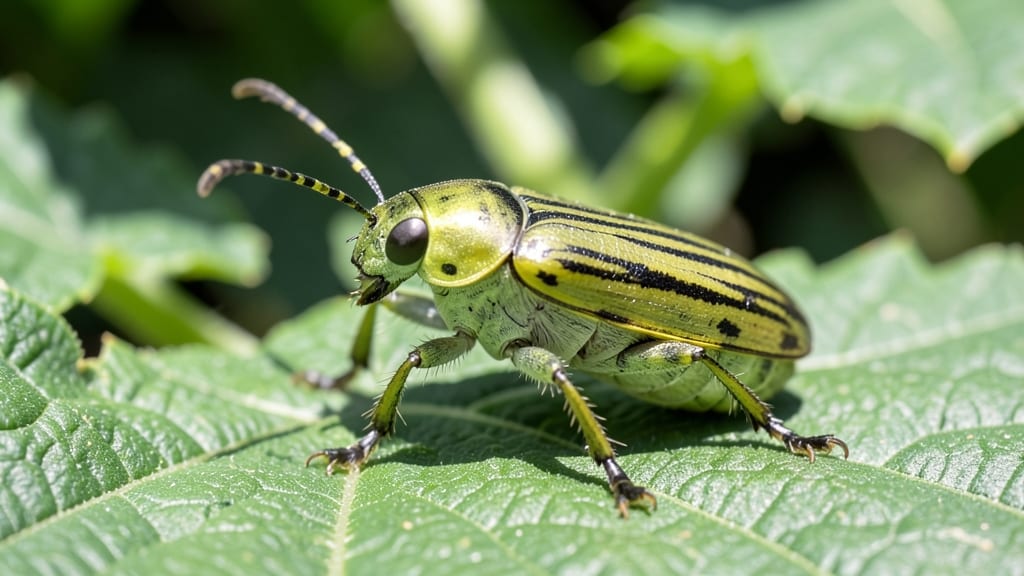
Those bugs that eat cucumbers—like cucumber beetles and aphids—can strip your plants bare in days, but I’ve found natural ways to fight back before they ruin your harvest. disrupt your garden’s balance.
The key is layered defense: companion plants like nasturtiums and marigolds confuse pests, while neem oil and kaolin clay create invisible barriers. Even physical row covers work wonders when applied early. These methods aren’t just effective—they’re simple enough for a first-time gardener to master.
You’ll spot early signs like chewed leaves or sticky residue from aphids, and act before the damage spreads. By midseason, your cucumbers will grow strong, pest-free, and ready for the table—just like mine do now after years of trial and error. Best part?
These solutions work for squash, zucchini, and melons too. Let’s get your cucumbers growing unharmed!
Root Causes Of Cucumber Infestations
Cucumbers are a garden magnet for pests—not because they’re weak, but because they’re delicious and packed with nutrients that bugs can’t resist. Understanding why these critters show up in the first place is the first step to stopping them.
Below, we break down the science behind the chaos and what’s really luring them to your plants.
Cucumbers aren’t just any vegetable—they’re a nutrient-dense all-you-can-eat salad for insects. Their thin skins, juicy flesh, and high water content make them an easy target. Here’s the breakdown:
- Sugar & Water Content: Cucumbers are 95% water and packed with natural sugars, which attract sap-sucking pests like aphids and cucumber beetles.
These bugs are drawn to the quick energy boost cucumbers provide. - Soft Tissue: Unlike tougher veggies, cucumbers have delicate, easily penetrable skin, making them a prime snack for chewing insects like squash bugs and slugs. - Foliage Appeal: Even if you’re growing cucumbers for their fruit, the leaves are just as tempting.
Many pests (like spider mites) feed on the sap-rich foliage, weakening the plant before it even produces fruit.
Pro Tip: 💡 If you notice yellowing leaves or holes in the fruit, it’s a sign that pests have already claimed their share—and they’re likely to return unless you address the root cause.
A messy garden is like an open invitation to pests. Without proper upkeep, cucumbers become an easy target for bugs that thrive in clutter, decay, and standing water. Here’s how neglect plays a role:
- Debris & Mulch Buildup: Old plant matter, fallen leaves, and thick mulch create hiding spots for pests like slugs, earwigs, and cutworms.
These bugs use the darkness and moisture to ambush cucumber plants at night. - Overcrowded Plants: When cucumbers are planted too closely together, airflow is restricted, leading to: - Higher humidity (which attracts fungal diseases and the pests that feed on weakened plants). - Shaded, damp conditions where slugs and snails thrive. - Weeds as Pest Hotels: Weeds around cucumber patches provide alternative food sources and shelter for pests.
Many bugs (like aphids) will migrate from weeds to cucumbers once the weeds are stressed.
Action Step: ⏰ Clear debris weekly and thin plants to improve airflow. A clean, well-spaced garden makes it harder for pests to hide and multiply.
Cucumbers rely on a delicate balance of predators to keep pests in check. When this ecosystem is disrupted—whether by overuse of pesticides, lack of biodiversity, or monoculture gardening—pests take over. Here’s why:
- Lack of Beneficial Insects: Bees, ladybugs, lacewings, and parasitic wasps naturally control cucumber beetles, aphids, and spider mites.
If your garden lacks diverse plantings (like flowers, herbs, or companion plants), these helpful bugs won’t stick around. - Chemical Overkill: Harsh pesticides kill both pests and their predators, leaving cucumbers defenseless.
Even organic sprays can disrupt the balance if overused. - Monoculture Planting: Growing only cucumbers in a row creates a pest paradise because there’s nothing else to break up their feast. Pests can reproduce uncontrollably without natural barriers.
Solution: 🌸 Plant companion crops like marigolds (which repel pests), dill (attracts predatory wasps), or nasturtiums (trap aphids). A diverse garden keeps the pest population in check naturally.
Believe it or not, Mother Nature herself can be a pest’s best friend. Certain weather patterns accelerate bug activity, making cucumbers even more vulnerable:
- Warm, Humid Summers: Many cucumber pests (like squash vine borers and spider mites) thrive in heat.
Warmth speeds up their metabolism and reproduction, leading to explosive infestations in short order. - Rain & Overwatering: While cucumbers love water, excess moisture creates: - Slime trails for slugs and snails. - Fungal growth that weakens plants, making them easier prey. - Standing water where mosquito larvae (and their adult forms) can breed near the garden. - Drought Stress: On the flip side, underwatered cucumbers become stressed and nutrient-deficient, making them more attractive to pests looking for an easy meal.
Quick Fix: 🌡️ Monitor soil moisture—aim for consistent hydration (1–2 inches of water per week) without soggy soil. Mulching helps regulate temperature and retain moisture without inviting slugs.
Sometimes, well-meaning gardening habits backfire and supercharge pest populations. Here’s how:
- Late Planting: Starting cucumbers too late in the season means they’re young and tender when pests emerge. Bugs like cucumber beetles zero in on fresh, unhardened plants. - Ignoring Early Signs: Small holes, chewed leaves, or sticky residue (from aphid honeydew) are red flags.
By the time you notice large infestations, the pests have already laid eggs for the next generation. - Using the Wrong Fertilizer: Too much nitrogen (common in fast-acting fertilizers) leads to soft, sugary growth—a pest magnet.
A balanced NPK ratio (e.g., 5-5-5) promotes healthier, tougher plants that pests avoid.
Prevention Tip: ✨ Start seeds indoors (if your climate allows) to get a head start on the growing season. Rotate crops yearly to disrupt pest life cycles.
Quick Fixes for Garden Pests
If your cucumbers are becoming a buffet for hungry pests, don’t panic—there are simple, natural ways to reclaim your garden. Below are targeted solutions for common culprits, from sneaky beetles to ravenous caterpillars, along with prevention tips to keep your plants thriving.
These striped or spotted invaders chew leaves and spread disease. Act fast with these fixes:
- 🔥 Handpick Early – Check leaves daily (especially under them) and drop pests into soapy water.
- 🍳 Spray Neem Oil – Mix 1 tbsp neem oil + 1 tsp dish soap in 1 quart of water. Spray at dusk to avoid harming bees.
- 👨🍳 DIY Row Covers – Use lightweight fabric to shield young plants until they’re established.
- 🌱 Interplant with Herbs – Basil, dill, or mint confuse beetles with their strong scents.
Prevention Tip: 💡 Rotate crops yearly—don’t plant cucumbers in the same spot annually.
Cucumber moths and hornworms can devour plants overnight. Try these organic methods:
- 🔪 Remove Eggs & Larvae – Inspect leaves daily; scrape off green eggs or cut off infested sections.
- 🥘 Bacillus Thuringiensis (Bt) – A natural bacteria spray that kills caterpillars without harming other insects.
- 🌙 Handpick at Night – Hornworms are most active after dark—use a flashlight and drop them in soapy water.
- 🎯 Attract Predators – Ladybugs and parasitic wasps love caterpillars; plant marigolds or alyssum nearby.
Prevention Tip: ✨ Plant cucumbers near tansy or fennel to deter moths.
Tiny but destructive, these sap-suckers weaken plants. Combat them with:
- 🌡️ Blast Off with Water – Spray infested areas with a strong jet of water to knock off pests.
- 🍎 Introduce Beneficial Insects – Lacewings and ladybugs feast on mites; buy them online or attract them with flowering plants.
- 🥗 Insecticidal Soap – Mix 1 tsp mild soap in 1 quart of water; spray directly on pests (reapply every 3–5 days).
- 🌿 Companion Planting – Garlic, chives, or nasturtiums repel mites naturally.
Prevention Tip: 🔥 Keep gardens dust-free—mites thrive in dry, dusty conditions.
These nocturnal nibblers leave silvery trails and ragged holes. Stop them with:
- 🥘 Copper Tape – Wrap around pots or create a ring around plants; the mild electric shock deters them.
- 🔪 Beer Traps – Bury a shallow dish filled with beer; slugs crawl in and drown.
- 🌱 Crushed Eggshells or Diatomaceous Earth – Sprinkle around plants as a natural barrier (reapply after rain).
- 🌙 Handpick at Night – Use a flashlight to spot and relocate them to a far corner of the garden.
Prevention Tip: 🌡️ Water plants at the base (not overhead) to discourage slug activity.
With these targeted strategies, your cucumbers will stay pest-free and productive. Consistency is key—check plants regularly and act at the first sign of trouble! For severe infestations, combine methods for the best results.
Frequently asked questions
What are the most destructive bugs that target cucumber plants?
The worst offenders are cucumber beetles (striped or spotted), squash vine borers, aphids, hornworms, and slugs. These pests chew leaves, spread disease, or suck plant sap, causing irreversible damage if left unchecked.
How can I tell if my cucumbers are being eaten by bugs?
Look for chewed leaves, tiny holes in fruit, sticky residue (aphid honeydew), or silvery trails (slugs). Cucumber beetles leave serrated edges on leaves, while hornworms create large, ragged holes. Check undersides of leaves too—many pests hide there!
Will neem oil really work on all these pests?
Neem oil is effective against cucumber beetles, aphids, and mites but won’t kill slugs or vine borers. For caterpillars, use Bacillus thuringiensis (Bt) instead. Always mix neem oil with 1 tsp dish soap per quart and spray at dusk to protect bees. Reapply every 7-10 days during active infestations.
Can I save my cucumbers if they're already heavily infested?
Yes, but act fast! Remove all visible pests by hand, apply insecticidal soap or neem oil, and use row covers for severe cases. For vine borers, cut open stems to remove larvae. If the plant is more than 50% damaged, consider replacing it—healthy plants recover better than struggling ones.
What’s the best companion plant to keep bugs away from cucumbers?
Plant nasturtiums (trap aphids), marigolds (repel beetles), or basil (confuses pests with its scent). Dill or fennel attract predatory wasps that eat caterpillars. Avoid planting cucumbers near potatoes—they attract the same pests.