
Planting
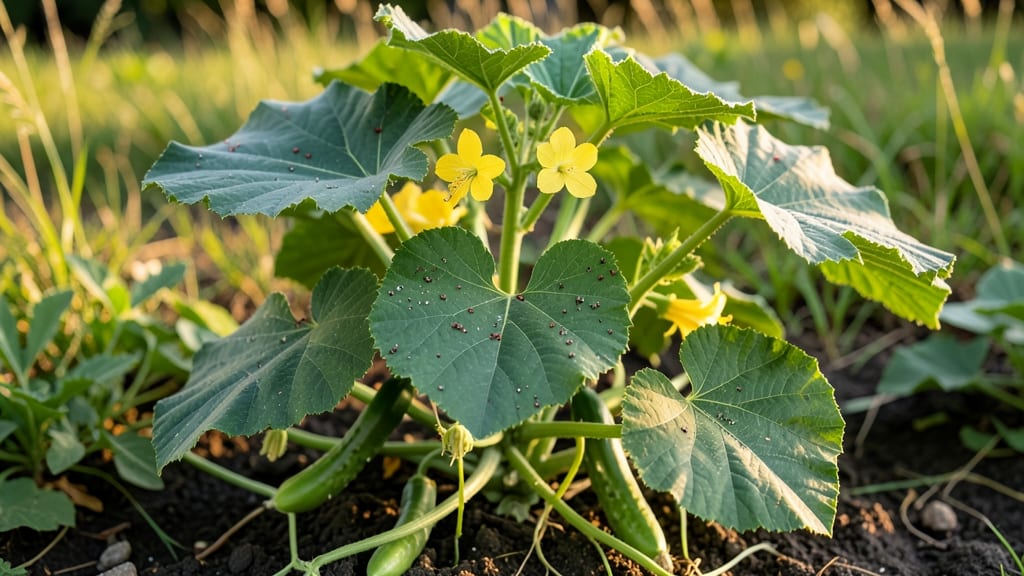
Those tiny cucumber plant pests—beetles and aphids—can reduce your lush vines to chewed-up shadows in days. 🌱 I’ve watched my best cucumber plants go from thriving to ruined—until I learned these natural remedies that actually stop the damage before it starts.
The key is acting fast: cucumber beetles skeletonize leaves in hours, while spider mites drain plants so slowly you don’t notice until it’s too late. I’ve tested everything from neem oil to companion planting, and the solutions here are the ones that work without chemicals—guaranteed to save your harvest.
You’ll learn to spot the earliest signs (tiny holes, webbing, or yellowing leaves) and how to treat them with household items or garden staples. The best part? These methods protect your plants and the pollinators you need for bigger yields.
Whether you’re dealing with a full-blown infestation or just want to prevent one, this is your go-to guide. Let’s get those vines back to producing like crazy.
Root Causes Of Cucumber Plant Pests
Understanding why pests target your cucumber plants is the first step to keeping them thriving. 🌱🐛 These tiny troublemakers don’t attack randomly—they’re drawn by specific conditions in your garden. Let’s break down the science behind their behavior so you can outsmart them.
Cucumber plants thrive in open, airy spaces, but when they’re packed too closely together, pests like aphids, spider mites, and whiteflies move in for the easy meal. Here’s why:
- Reduced Airflow – Tightly spaced plants create a humid microclimate, which is ideal for soft-bodied insects like aphids.
Poor ventilation also slows down the drying of dew, leaving plants damp longer—perfect breeding grounds for fungal pests like powdery mildew (which attracts other insects). - Shade & Moisture Buildup – Overcrowding blocks sunlight, weakening plants and making them more susceptible to stress.
Weakened leaves become an all-you-can-eat buffet for pests like cucumber beetles, which chew on young shoots and spread bacterial wilt. - Physical Stress – Plants competing for nutrients and water become stunted, producing smaller, more tender leaves—exactly what pests crave.
Actionable Fix: Space cucumber plants 3–4 feet apart (or use trellises for vertical growth) to improve airflow. Prune lower leaves to enhance sunlight penetration and reduce hiding spots for pests.
Healthy cucumber plants have natural defenses, but when they’re stressed, pests take advantage. Common stressors include:
- Nutrient Deficiencies – Lack of nitrogen, potassium, or magnesium weakens cell walls, making plants easier targets for chewing insects like striped cucumber beetles or sap-sucking pests such as thrips. - Water Stress – Both overwatering (leading to root rot) and underwatering (causing wilting) compromise a plant’s ability to repel pests.
Overwatered soil attracts slugs and snails, while drought-stressed plants attract aphids searching for easy sap access. - Disease Pressure – Fungal or bacterial infections (like downy mildew) create open wounds on leaves, inviting pests like leaf miners to lay eggs inside the tissue.
Actionable Fix: Use balanced fertilizer (10-10-10 or compost tea) and maintain consistent moisture (1–2 inches of water per week). Remove diseased leaves immediately to prevent pest infestations.
Cucumber plants release volatile organic compounds (VOCs) that act like dinner bells for pests. Here’s what draws them in:
- Sweet Smells – Healthy cucumber leaves emit sugary aromas that attract aphids, whiteflies, and spider mites, which feed on plant sap.
Even the flowers release nectar-like scents that lure beetles and wasps. - Yellowing Leaves – As leaves age or turn yellow (a sign of nitrogen deficiency), they become more palatable to pests like cucumber beetles, which prefer tender, nutrient-rich foliage. - Sticky Residues – Honeydew (a sugary waste product from aphids and whiteflies) not only attracts ants (which "farm" the pests for honeydew) but also fosters sooty mold, a fungal growth that further stresses the plant.
Actionable Fix:
- Prune yellow or damaged leaves to remove pest magnets.
- Use reflective mulch (like aluminum foil) to disrupt pests’ ability to locate plants via scent.
- Interplant with pest-repelling herbs like basil, dill, or marigolds to mask cucumbers’ attractive scents.
Pests don’t attack year-round—they follow temperature, humidity, and seasonal cues. Here’s when cucumber plants become prime targets:
| Pest | Peak Season | Why They Strike |
|---|---|---|
| Aphids | Spring to Early Summer | Mild temps (60–80°F) and new growth trigger rapid reproduction. |
| Spider Mites | Hot, Dry Summers | Low humidity (below 40%) causes mites to multiply as they seek moisture from plants. |
| Cucumber Beetles | Late Spring to Summer | Warm soil (above 60°F) signals beetles to emerge and lay eggs near cucumber roots. |
| Slugs & Snails | Cool, Damp Nights | High humidity and evening dew create ideal conditions for these nocturnal munchers. |
Actionable Fix:
- Monitor weather patterns and apply preventive sprays (like neem oil) before pests peak.
- Use row covers in early spring to block beetles and mites.
- Water in the morning to reduce nighttime humidity, deterring slugs and snails.
Sometimes, well-meaning gardening habits accidentally create pest paradises. Common culprits include:
- Over-Fertilizing with Nitrogen – Lush, soft growth attracts aphids and whiteflies, which thrive on tender, fast-growing tissue.
- Ignoring Garden Hygiene – Leaving debris, old vines, or fallen fruit provides hiding spots for pests like cutworms and earwigs to overwinter.
- Using Chemical Pesticides – Harsh sprays kill beneficial insects (like ladybugs and lacewings) that naturally control pests, leading to secondary infestations.
Actionable Fix:
- Clean up garden beds after harvest to remove pest habitats.
- Use organic fertilizers (compost, worm castings) to avoid over-softening plants.
- Encourage biodiversity by planting native flowers to attract predator insects.
Quick Fixes for Garden Menaces
Now that you know what’s nibbling on your cucumbers, let’s tackle those pests with effective, natural solutions—no harsh chemicals required! Below, we’ve mapped out cause-specific fixes to restore your plants to their lush, pest-free glory. Plus, we’ll share prevention tips to keep future invasions at bay.
Signs: Sticky residue (honeydew), curled leaves, stunted growth. Why it happens: These sap-sucking pests thrive in warm, humid conditions and multiply rapidly.
How to Treat Them
- 💦 Blast Them Away - Use a strong stream of water from your hose to knock aphids off leaves.
Do this in the early morning so plants dry quickly. - Pro tip: 🌿 Add a few drops of dish soap (1 tsp per gallon of water) to weaken their protective coating.
- 🐝 Introduce Beneficial Bugs
- Ladybugs, lacewings, and parasitic wasps love aphids. Buy them online or attract them with neem oil sprays (aphids hate the smell!).
- Prevention: 🌱 Plant nasturtiums or dill nearby—they repel aphids naturally.
- 🍋 Homemade Spray Recipe
- Mix 1 cup water + 1 tbsp rubbing alcohol + 1 tsp liquid soap. Spray directly on infested areas every 3–4 days.
Signs: Jagged leaf holes, wilting vines, yellowing leaves (they spread bacterial wilt). Why it happens: These beetles chew leaves and lay eggs in soil, leading to root rot and stunted plants.
How to Treat Them
- 🕵️♂️ Handpick & Drown
- Check leaves daily (especially in the morning). Drop beetles into soapy water—they’ll drown instantly.
- Pro tip: 🌞 Shake plants over a bucket of soapy water to dislodge hidden beetles.
- 🛡️ Barrier Protection
- Cover young plants with floating row covers (lightweight fabric) to block beetles. Remove when flowers appear to allow pollination.
- Prevention: 🌱 Interplant with radishes or onions—beetles avoid these strong scents.
- 🌿 Neem Oil Barrier Spray
- Mix 1 tbsp neem oil + 1 tsp soap + 1 quart water. Spray every 5–7 days to repel and suffocate eggs.
- Warning: 🌡️ Apply in early morning or late evening to avoid harming bees.
Signs: Fine webbing on leaves, yellow stippling, leaves turn bronze. Why it happens: These microscopic pests thrive in dry heat and multiply fast—often missed until it’s too late.
How to Treat Them
- 💦 Increase Humidity
- Spider mites hate moisture. Mist plants daily or use a hose to rinse them off.
- Pro tip: 🌧️ Place a shallow tray of water near plants to boost humidity naturally.
- 🧼 Soap & Oil Spray
- Mix 1 tbsp horticultural oil + 1 tsp castile soap + 1 quart water. Spray both sides of leaves every 4–5 days.
- Prevention: 💡 Prune plants for airflow—mites love crowded, dry conditions.
- 🐝 Predatory Mites to the Rescue
- Release phytoseiulus persimilis (beneficial mites) to hunt spider mites. They’re easy to find online and work fast!
Signs: Wilting vines, sawdust-like frass (borer poop), holes in stems. Why it happens: These caterpillars bore into stems, cutting off water flow—often fatal if untreated.
How to Treat Them
- 🔪 Cut & Burn Infested Stems
- Slice open the stem with pruning shears. If you see a white caterpillar, drop it in soapy water.
- Pro tip: 🔥 Burn or bury the stem to prevent larvae from pupating.
- 🌿 Diatomaceous Earth Barrier
- Sprinkle food-grade DE around the base of plants. It’s non-toxic but deadly to borers—just keep it dry.
- Prevention: 🌱 Plant cucumbers in raised beds to reduce soil moisture (borers hate dry conditions).
- 🍋 Prevent with Cinnamon or Chili Powder
- Dust the base of stems with cinnamon or cayenne pepper—borers avoid the spicy barrier!
Signs: Irregular holes in leaves, shiny slime trails, missing fruit. Why it happens: These slimy pests love damp, shady spots and strike after dark.
How to Treat Them
- 🍺 Beer Traps (Yes, Really!)
- Bury a shallow dish filled with beer near plants. Slugs crawl in and drown—easy cleanup!
- Pro tip: 🌙 Check traps every morning and refresh the beer.
- 🧶 Copper Barrier
- Wrap copper tape around pots or garden beds. The mild electric shock repels slugs.
- Prevention: 🌞 Remove mulch at night or use gravel barriers—slugs hate rough textures.
- 🌿 Eggshell or Coffee Grounds
- Crush eggshells or sprinkle used coffee grounds around plants. The sharp edges deter slugs.
- 🌱 Rotate crops yearly to disrupt pest life cycles.
- 🌿 Plant companion plants like marigolds, basil, or thyme—they repel many garden pests.
- 🌞 Water in the morning so foliage dries quickly (pests hate dampness).
- 🧹 Clean up debris—pests hide in old leaves and stems.
- 🔍 Inspect plants weekly—catch problems early before they spread!
Final Thought: 🌱 With these targeted fixes, your cucumber plants will bounce back stronger. Stay vigilant, act fast, and soon you’ll be harvesting crisp, pest-free cukes!
Frequently asked questions about cucumber plant pests
What’s the first sign that my cucumber plants have pests?
Look for tiny holes in leaves (cucumber beetles), sticky residue (aphid honeydew), or fine webbing (spider mites). Early detection is key—check undersides of leaves daily during warm months. Yellowing or curled leaves also signal trouble.
Can I use neem oil on cucumber flowers without harming bees?
Apply neem oil only in early morning or late evening when bees are less active. Avoid spraying directly on flowers—focus on leaves and stems. Always follow up with a light water rinse after 24 hours to remove residue.
Why do my cucumber plants get pests even after I treat them?
Pests often return due to hidden eggs or new infestations from nearby plants. Reapply treatments every 5–7 days and remove all affected leaves. Check soil for beetle eggs (tiny orange ovals) and use row covers for prevention.
Are there any companion plants that actually work against cucumber pests?
Yes! Plant nasturtiums (repel aphids), marigolds (deter beetles), or basil (confuses pests). These work best when interplanted directly with cucumbers. Avoid planting cucumbers near potatoes (attracts Colorado potato beetles).
How do I know if my cucumber plant is dying from pests or disease?
Pests cause physical damage (holes, webbing, chewed leaves), while diseases show as powdery spots, wilting without holes, or mold. If leaves yellow but stay intact, it’s likely disease. Pests leave visible signs of feeding—no confusion there!