
Diseases
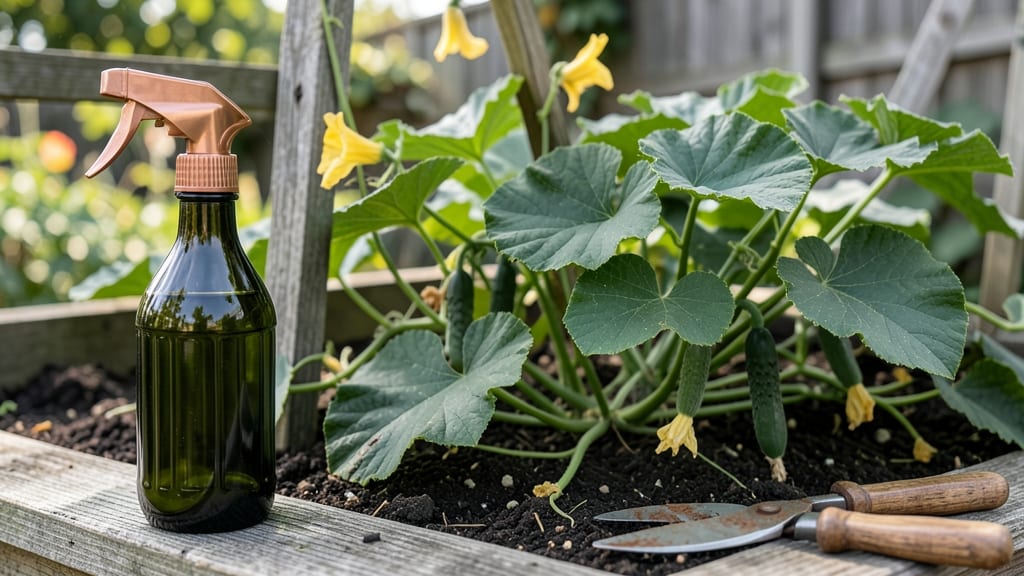
Even with the best bacterial wilt cucumber treatment, your cucumber vines can suddenly collapse in broad daylight—this relentless disease can devastate a garden in days, but copper sprays and pruning offer hope. can save your plants if you act fast.
The first sign is drooping leaves that don’t recover, even at night. Confirm it by cutting a stem: if the inside is brown and oozes milky liquid, you’re dealing with bacterial wilt. This disease spreads through contaminated tools and water, so sanitation is your first line of defense.
With copper sprays and pruning infected vines immediately, you can slow its spread and protect healthy growth. The key is early action—once the bacteria take hold, recovery is nearly impossible, but prevention keeps your cucumbers thriving all season.
Copper sprays disrupt the bacteria’s cell walls, while pruning removes infected tissue before it spreads. Rotate crops next season and choose resistant varieties like ‘Lemon’ or ‘Straight Eight’ to break the cycle. The goal isn’t just saving this year’s plants—it’s protecting your garden’s future.
Here’s the hard truth: bacterial wilt is contagious, and infected plants must be destroyed—not composted—to prevent reinfection. But with copper treatments and clean tools, you can reclaim your cucumber patch and enjoy fresh harvests again.
Why it happens
Bacterial wilt in cucumbers isn’t just a random plant disease—it’s the result of a perfect storm of environmental conditions, bacterial behavior, and human (or gardener) mistakes.
Understanding these root causes is the first step to stopping the spread. Let’s break down why your cucumbers might be falling victim to this devastating pathogen.
🦠 Ralstonia pseudosolanaica’s Sneaky Invasion
The primary culprit behind bacterial wilt in cucumbers is the bacterium Ralstonia pseudosolanaica (formerly known as R. solanacearum biovar 3). This soil-borne pathogen thrives in warm, moist conditions and enters plants through:
- Root wounds: Even minor damage from pruning, transplanting, or rough handling creates entry points. The bacteria swim through water films in the soil to infect these vulnerable spots.
- Xylem vessels: Once inside, the bacteria clog the plant’s vascular system (xylem), blocking water and nutrient flow. This causes the classic wilt—even when soil moisture is adequate.
- Contaminated tools or hands: The bacteria can hitch a ride on pruners, gloves, or even your fingers from infected plants to healthy ones. One contaminated cut can spread the disease to an entire row.
Pro tip: 💡 This bacterium can survive in soil for years—even without a host. It’s not picky; it infects tomatoes, peppers, eggplants, and other solanaceous plants too.
🌡️ Heat and Humidity: The Bacteria’s Ideal Weather
Bacterial wilt loves temperatures between 77–95°F (25–35°C). Here’s why:
- Faster bacterial movement: Warm soil increases the bacteria’s motility, helping it reach roots and wounds more quickly.
- Weaker plant defenses: Heat stress weakens cucumber plants, making them less able to resist infection.
- Prolonged leaf wetness: High humidity or overhead irrigation keeps foliage damp, creating a highway for bacteria to travel from soil to stems via splashing water.
Actionable insight: If your garden is in a hot, humid climate (like the Southeast U.S. or tropical regions), rotation crops with non-hosts like grasses or cereals can disrupt the bacteria’s lifecycle. Avoid planting cucumbers in the same spot for at least 3 years.
🌱 Poor Soil Health and Overcrowding
Healthy soil isn’t just about nutrients—it’s about balance. These factors weaken cucumbers and invite bacterial wilt:
| Problem | Why It Matters |
|---|---|
| Compacted or waterlogged soil | Limits oxygen, stressing roots and making them easier targets for bacteria. |
| High organic matter without proper decomposition | Fresh mulch or compost can attract bacteria and create moist pockets where R. pseudosolanaica thrives. |
| Overcrowded plants | Poor airflow increases humidity around leaves, speeding up bacterial spread via splashing water. |
Fix it: 🌱 Amend soil with sand or perlite to improve drainage, and space cucumbers 12–24 inches apart for better airflow. Mulch with straw instead of fresh grass clippings to avoid introducing new pathogens.
🛑 Contaminated Seeds, Transplants, or Tools
Even the most careful gardener can accidentally introduce bacterial wilt through:
- Infected seed or seedlings: Some cucumber varieties are more susceptible than others. Always buy seeds from reputable suppliers or test soil for pathogens before planting.
- Reused containers or soil: If you’ve grown infected plants in pots or raised beds before, the bacteria may still be lurking. Sterilize containers with a 10% bleach solution or solarize soil (cover with clear plastic for 4–6 weeks in hot sun).
- Shared gardening tools: Pruners, trellises, or stakes used on infected plants can transfer bacteria. Disinfect tools with rubbing alcohol or a 1:10 bleach-water mix between uses.
Warning: 🚨 Never compost infected plant debris—the bacteria can survive composting and reinfect your garden later.
Fixing Bacterial Wilt in Cucumbers
Bacterial wilt can devastate your cucumber crop, but acting fast with the right strategies can save your plants—and even prevent future outbreaks. Below are practical, step-by-step solutions tailored to the root causes of the disease, from immediate fixes to long-term prevention.
Cause: Ralstonia solanacearum spreads rapidly through plant sap and soil. Fix:
- 🔪 Prune or uproot infected plants as soon as symptoms appear (yellowing, wilting, oozing vascular tissue).
- Do NOT compost—burn or bag them to prevent bacterial spread.
- 🚫 Avoid handling plants when wet to reduce contamination risk.
Pro Tip: 💡 If only a few leaves show signs, test by cutting the stem—if the vascular tissue is brown or oozes, remove the whole plant.
Cause: Copper disrupts bacterial cell membranes, stopping the spread. Fix:
- 🛡️ Spray with a copper fungicide/bactericide (e.g., copper sulfate, copper hydroxide) at the first sign of wilt.
- Mix 1 tbsp copper sulfate per gallon of water (follow label instructions).
- Apply early morning or late evening to avoid leaf burn.
- Reapply every 7–10 days for severe cases.
- 🌿 For organic growers: Use copper soap or bacillus-based sprays (e.g., Serenade or Regalia).
Pro Tip: 🌡️ Water before spraying—wet foliage absorbs copper better.
Cause: Contaminated pruners, pots, and soil harbor bacteria. Fix:
- ⚔️ Sterilize tools between plants with 70% isopropyl alcohol or a 10% bleach solution.
- 🌱 Solarize soil (if possible):
- Cover beds with clear plastic for 4–6 weeks in hot sun to kill bacteria.
- Alternatively, amend soil with compost + beneficial microbes (Trichoderma or Pseudomonas strains).
- 🚫 Avoid fresh manure—it can introduce more pathogens.
Pro Tip: ✨ Rotate crops—never plant cucumbers, tomatoes, or peppers in the same spot for 3+ years.
Cause: Overhead watering spreads bacteria through wounds. Fix:
- 💧 Switch to drip irrigation or soaker hoses to keep foliage dry.
- 🕒 Water deeply but infrequently—early morning is best.
- 🚫 Avoid wet mulch near stems (use straw or wood chips 2–3 inches away).
Pro Tip: 🎯 Mulch with straw—it reflects sunlight, keeping soil warmer and reducing bacterial survival.
Cause: Weak plants are more susceptible. Fix:
- 🌱 Choose resistant varieties (e.g., 'Marketmore 76,' 'Straight Eight').
- 💪 Boost plant health with:
- Balanced fertilizer (10-10-10) every 3–4 weeks.
- Silica-rich compost (e.g., banana peels) to strengthen cell walls.
- Neem oil spray (1 tsp/quart water) weekly as a preventive.
Pro Tip: 🔥 Interplant with marigolds—they repel pests that weaken cucumbers.
| Action | How to Do It | Why It Works |
|---|---|---|
| Crop rotation | Avoid planting cucurbits in the same bed | Breaks bacterial life cycle |
| Solarize soil | Cover beds with plastic for 6 weeks | Kills bacteria in the top 6 inches |
| Use certified seeds | Buy from reputable suppliers | Reduces risk of infected seedlings |
| Monitor for pests | Check for cucumber beetles (vectors) | Prevents bacterial entry wounds |
| Test soil pH | Aim for 6.0–6.8 | Optimal for copper uptake |
Final Note: Bacterial wilt is not curable once established, but early action + prevention can protect your garden. Stay vigilant, and your cucumbers will thrive! 🥒🌱
Frequently asked questions about cucumber bacterial wilt
How can I confirm if my cucumber plants have bacterial wilt?
Cut a stem lengthwise—if the vascular tissue inside is brown and oozes a milky liquid, it’s bacterial wilt. The leaves will also wilt permanently (even at night) and turn yellow. This test is crucial because symptoms resemble other diseases like fusarium wilt.
Can copper sprays actually cure infected cucumber plants?
No, copper treatments won’t cure already infected plants, but they can stop the spread to healthy vines. Apply copper sulfate (1 tbsp/gallon) every 7–10 days before symptoms appear. For organic growers, copper soap or bacillus-based sprays like Serenade work too.
Why does bacterial wilt spread so fast in my garden?
The bacteria Ralstonia pseudosolanaica thrives in warm, moist soil and spreads through contaminated tools, water splashing, or insect vectors like cucumber beetles. It can survive in soil for years, so crop rotation (3+ years) and sterilizing equipment are critical to prevent outbreaks.
What’s the best way to dispose of infected cucumber plants?
Never compost—burn them or bag them for trash to prevent reinfection. The bacteria can survive composting and reinfect your garden. For severe cases, remove all plant debris and solarize the soil (cover with clear plastic for 4–6 weeks in hot sun).
Are there cucumber varieties resistant to bacterial wilt?
Yes! Varieties like 'Marketmore 76' and 'Straight Eight' show better resistance. For organic gardens, interplant with marigolds to repel cucumber beetles (which spread the disease) and boost plant health with silica-rich compost (like banana peels).