
Vegetables
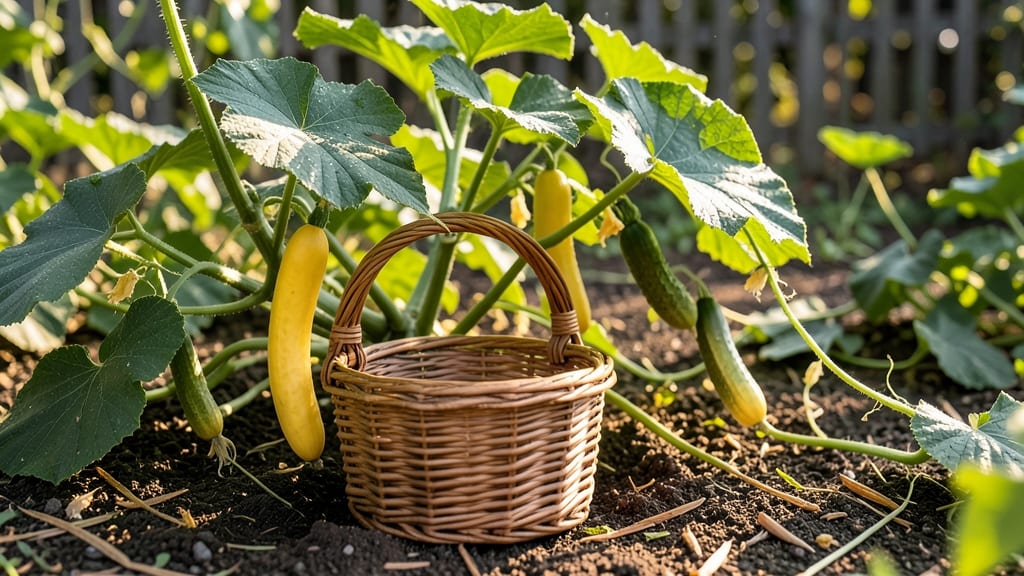
Yellow cucumbers are still good if their flesh remains firm, seeds are soft but not mushy, and the skin shows no deep wrinkles or mold. Avoid any with a fermented smell or slimy texture, as these indicate spoilage.
Yellow cucumbers often get a bad rap, but they're not necessarily spoiled—they're just past their peak freshness. 💛 The yellowing happens when chlorophyll breaks down and sugars convert, which actually mellows their flavor and makes them sweeter.
Think of it like an overripe banana: still edible, just better suited for cooking than salads. I always check for firmness first—if the cucumber feels soft or mushy, it's time to compost, but if it's still crisp, it's perfect for pickling or stir-fries.
What's interesting is how this color change affects taste. Yellow cucumbers tend to have a milder, almost honey-like sweetness that works beautifully in savory dishes. For example, I love using them in spicy Thai soups or pickling them with garlic and chili for a tangy crunch.
The key is to avoid any cucumbers with off smells or slimy spots—those are clear signs of spoilage, not just aging.
💡 In This Article
- Why Cucumbers Turn Yellow and How It Affects Freshness
- How to Use Overripe Yellow Cucumbers in Cooking
Why cucumbers turn yellow and how it affects freshness
The yellowing of cucumbers is a natural part of their ripening process, driven by chlorophyll breakdown and sugar conversion. When cucumbers mature, their green chlorophyll pigments degrade, revealing the yellow carotenoids that were always present beneath.
This transformation typically occurs after 7-10 days of storage, especially in cooler environments where ripening slows but doesn't stop. The sugar content actually increases during this phase, which explains why yellow cucumbers often taste sweeter than their green counterparts—similar to how overripe bananas develop caramelized flavors.
Flavor-wise, yellow cucumbers lose their crisp, refreshing bite and develop a milder, almost honey-like sweetness that works beautifully in cooked dishes. The texture also softens slightly, making them ideal for recipes where firmness isn't essential.
For instance, a yellow cucumber in a Thai green curry adds natural sweetness that balances the heat, whereas a green cucumber would remain too assertive.
The key difference lies in their moisture content: green cucumbers hold 95% water, while yellow ones drop to around 90-92%, making them slightly more concentrated in flavor.
Visually, you can distinguish between natural yellowing and spoilage by examining the skin's texture. Healthy yellow cucumbers develop a smooth, even color with no wrinkles or sunken spots. Deep creases or a waxy sheen indicate dehydration, while any dark, discolored patches suggest mold growth.
The seeds are another telltale sign: soft but not mushy seeds mean the cucumber is still edible, while completely collapsed seeds signal overripeness.
This is where the science of plant biology comes into play—the seeds release enzymes that break down cell walls, which is why they feel softer as the cucumber ages.
Temperature plays a crucial role in this process. Cucumbers stored at 45-50°F will yellow more slowly due to reduced enzymatic activity, while room temperature (70°F) accelerates the change.
This is why many gardeners harvest cucumbers when they're still green and store them in cool conditions to extend their freshness. However, once yellowing begins, the process is irreversible—so if you're growing your own, it's worth harvesting at the ideal stage for your intended use. The good news?
This natural aging process is what makes yellow cucumbers so versatile in the kitchen.
What most people don't realize is that yellow cucumbers contain higher levels of certain nutrients due to their increased sugar content. For example, the conversion of starches to sugars boosts their natural fructose levels, which can enhance their nutritional profile when used in cooked preparations.
This is why many traditional cuisines—like those in Southeast Asia—prefer yellow cucumbers for soups and stir-fries, where their mellow sweetness complements savory flavors without overpowering them.
Here's a quick sensory checklist to determine if your yellow cucumber is still good:
- Firmness: Press gently—should yield slightly but not feel mushy (like a ripe avocado)
- Skin: Smooth with even color, no deep wrinkles or mold spots
- Seeds: Soft but intact, not shriveled or leaking
- Aroma: Mildly sweet or neutral, never fermented or sour
The bottom line? Yellow cucumbers aren't spoiled—they're just in a different life stage, perfect for cooking when green ones are past their prime. 💫