
Vegetables
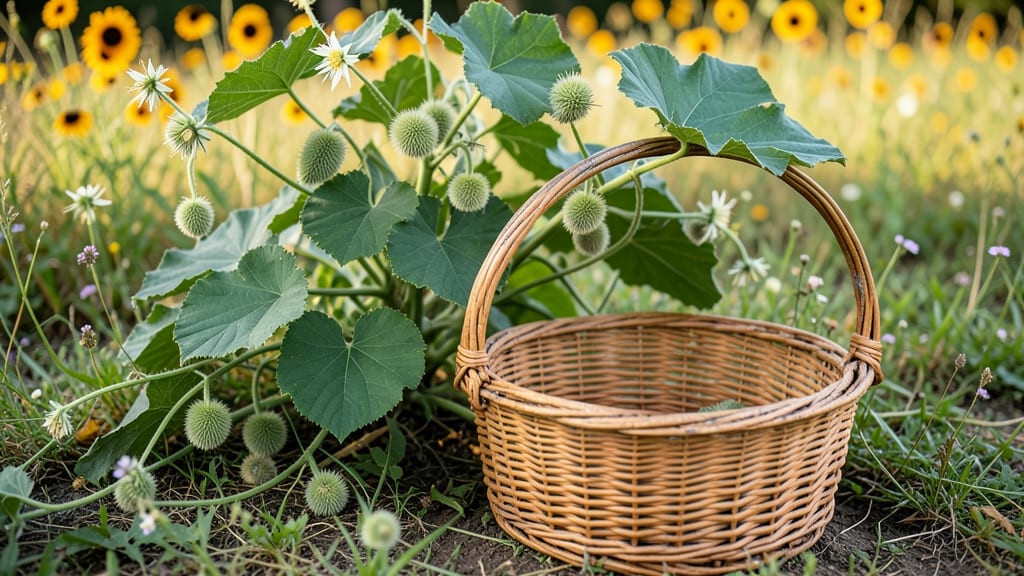
Wild cucumbers from the right family pack a unique, slightly tangy flavor that's been used in traditional dishes for centuries. 🌱 The key is proper identification—look for spiky, balloon-like fruits and lobed leaves, which distinguish them from toxic look-alikes.
Once confirmed safe, these cucumbers can be pickled, fried, or fermented, though they often need cooking to soften their texture and reduce any natural bitterness.
I've found that young fruits taste best when pickled, while slightly older ones work well in stir-fries. Always peel them first, as the skin can be tough, and soak in salted water for a few hours to draw out any lingering bitterness before cooking.
Storing them in vinegar or fermenting them preserves their unique flavor for months.
💡 In This Article
- Identifying Safe Wild Cucumber Species for Eating
- Preparation and Cooking Tips for Wild Cucumber Harvests
Identifying safe wild cucumber species for eating
The edible wild cucumbers you're looking for belong to two key genera: Echinocystis (like the wild cucumber or balloon cucumber) and Sicyos (such as the bur cucumber).
These plants produce distinctive, spiky, balloon-like fruits that range from 1-3 inches in diameter when ripe, though they're best eaten when young and tender—around 1 inch in size. The leaves are another critical clue: they're deeply lobed, resembling maple leaves but smaller, with 3-5 pointed lobes per leaf.
One of the most important distinctions is the vine structure. Edible wild cucumbers grow on vigorous, hairy vines that climb using tendrils, often found in open fields or along fences.
The fruits themselves are covered in soft, flexible spines that feel almost fuzzy to the touch. 🌿 In contrast, toxic look-alikes like poison ivy have smooth, shiny leaves with fewer lobes and no spiky fruits, while bitter nightshade produces small, round berries rather than cucumber-shaped fruits.
Always cross-reference with a field guide or consult an expert if you're unsure.
The fruit's texture is another telltale sign. Young, safe wild cucumbers have a thin, tender skin that's easy to peel, while the flesh inside is crisp and juicy when raw, similar to a cross between a cucumber and a squash.
As they mature, the flesh becomes fibrous and bitter, which is why harvesting them young is crucial. The seeds inside are flat and white, unlike the dark, hard seeds found in toxic nightshade berries.
This combination of leaf shape, vine structure, and fruit characteristics creates a clear visual checklist for safe identification.
What most people don't realize is that the bitterness in wild cucumbers comes from compounds called cucurbitacins, which are also found in bitter melons. These compounds can cause stomach upset if consumed in large amounts, especially when raw.
That's why cooking is essential—heat breaks down these compounds, making the fruit much more palatable. The flavor profile after cooking is often described as a mix of cucumber, squash, and a slight tanginess that pairs well with vinegar or citrus in dishes.
For visual learners, here's a quick comparison table to keep handy while foraging:
- Edible Wild Cucumber: Spiky, balloon-shaped fruit; lobed leaves; hairy vines
- Poison Ivy: Smooth, shiny leaves with 3 leaflets; no fruits; causes rash on contact
- Bitter Nightshade: Small, round berries; smooth leaves; toxic seeds
When in doubt, it's always safer to avoid consumption.
The risk of misidentification isn't worth the potential gastrointestinal discomfort, which can include nausea, vomiting, or diarrhea. 🌱 The good news is that once properly identified, these wild cucumbers offer a unique, nutrient-rich addition to your diet with a flavor profile that's hard to find in cultivated vegetables.