
Vegetables
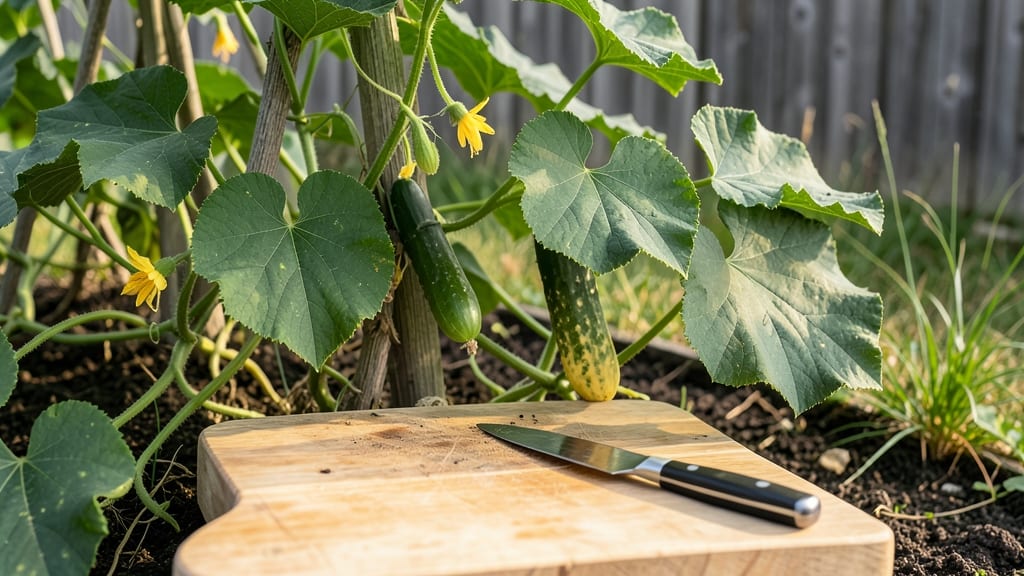
Overripe cucumbers are safe to eat but lose their crisp texture and develop a bitter, seedy taste from excess cucurbitacin. The skin softens, and the flesh becomes mushy, though they remain edible unless moldy or spoiled.
Overripe cucumbers aren't dangerous to eat—they just lose their signature crunch and fresh flavor. 🌱 The breakdown of cell walls during ripening turns them spongy, while cucurbitacin (a natural compound) intensifies that bitter aftertaste. That said, they're still packed with vitamins, just in a less appealing form.
I've used slightly overripe cucumbers in soups or pickling recipes, where texture isn't the focus, and found them perfectly usable when not moldy or slimy.
What's key is distinguishing between "overripe" and "spoiled." A soft cucumber with no foul odor or mold is fine, but if it smells rancid or feels slimy, toss it. For storage, keep them in the fridge with a paper towel to absorb excess moisture—this slows down the softening process significantly.
💡 In This Article
- How Overripeness Alters Cucumber Texture and Flavor
- When to Discard Overripe Cucumbers: Signs of Spoilage vs Edibility
How overripeness alters cucumber texture and flavor
When cucumbers overripen, their cell walls break down through enzymatic activity, particularly from pectinases and cellulases. These enzymes degrade the pectin that holds cells together, turning the crisp 90% water content of fresh cucumbers into a mushy, spongy texture.
You'll notice the flesh loses its firm bite and absorbs flavors more readily, similar to how a ripe tomato softens but becomes more aromatic. 🌱 The breakdown starts at the stem end and progresses outward, which is why that area often feels softer first.
The flavor shift comes from two key biochemical changes. First, starches in the cucumber convert to sugars, creating a slightly sweeter taste—but this is overshadowed by the buildup of cucurbitacin, a natural compound that becomes more concentrated as the cucumber ages.
This compound gives that characteristic bitter, almost medicinal aftertaste. A fresh cucumber contains about 0.005% cucurbitacin, but overripe varieties can have 10x that amount, making them taste harsh rather than refreshing. The seeds also enlarge and darken, contributing to the seedy, less appealing mouthfeel.
Nutritionally, overripe cucumbers retain most vitamins (like vitamin K and potassium) but lose some of their hydrating benefits due to increased water loss through transpiration.
The skin, which becomes thinner and more translucent, also loses some of its protective barrier, making the flesh more prone to oxidation—visible as a slight browning when cut. This is why overripe cucumbers often develop a duller appearance compared to their vibrant green, firm counterparts. 💛
What's fascinating is how these changes mirror the ripening process of other cucurbits like zucchini or melons. In zucchini, for example, overripeness leads to a similar bitterness due to cucurbitacin, but the texture becomes almost mealy rather than spongy.
The key difference is that cucumbers have much thinner skin and higher water content, so their texture degrades faster. This is why you'll often see cucumbers recommended for eating when still firm—typically at a 70-80% ripeness stage, where they're crisp but not bitter.
If you've ever bitten into a cucumber that tasted like it had been sitting too long, you've experienced this bitterness firsthand. The good news? This doesn't mean the cucumber is unsafe—it's just past its prime for raw eating. The bad news?
There's no reversing the texture change once it starts. That's why storage matters so much: keeping cucumbers at 45-50°F in the fridge slows down enzymatic activity by about 50%, preserving their texture for days longer than room temperature.
For a practical example, imagine slicing a fresh cucumber versus an overripe one. The fresh slice holds its shape, releases a light cucumber aroma, and has a satisfying crunch. The overripe slice collapses slightly, smells more earthy, and feels almost gelatinous between your teeth.
This dramatic difference is entirely due to those biochemical changes happening at the cellular level. 🌿