
Fertilization
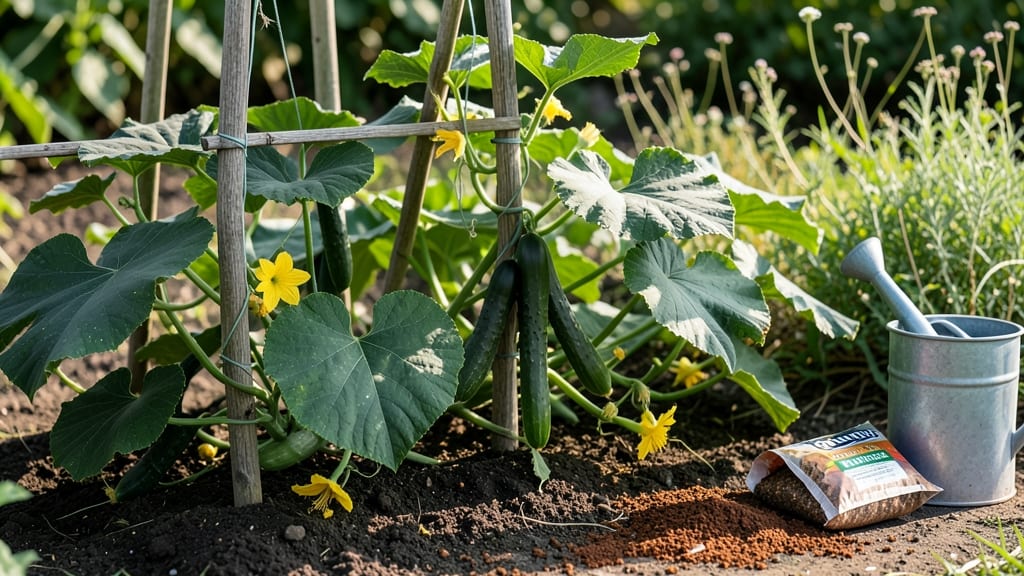
Coffee grounds are good for cucumbers because they add nitrogen to the soil, improve drainage, and naturally repel pests like slugs—but too much can make the soil too acidic or encourage mold growth. Use them sparingly in compost or as mulch.
Coffee grounds work as a natural fertilizer because they’re packed with nitrogen, which cucumbers love for their leafy growth. 🌱 The caffeine in spent grounds also acts as a mild pesticide, keeping slugs and some fungal diseases at bay.
However, the acidity can throw off the soil’s pH if overused, so I always mix them into compost first or sprinkle them lightly around plants rather than piling them up.
For best results, I recommend adding a thin layer of grounds to your compost pile or working them into the soil at planting time. Just avoid using them directly on the soil surface unless you’re using them as mulch—too much can create a soggy, mold-prone environment.
A little goes a long way!
💡 In This Article
- How Coffee Grounds Enhance Cucumber Growth
- Best Practices for Using Coffee Grounds in Cucumber Gardens
How coffee grounds enhance cucumber growth
Coffee grounds act as a natural nitrogen booster for cucumbers, providing about 2% nitrogen by weight—similar to a light dose of synthetic fertilizer. This nutrient is crucial for cucumbers because it fuels their rapid leaf and vine growth, which is essential for producing healthy fruits.
The nitrogen in coffee grounds is released slowly when decomposed by soil microbes, creating a steady supply over weeks rather than a quick spike like chemical fertilizers. This gradual release mimics the natural nutrient cycle cucumbers thrive in.
Beyond nitrogen, coffee grounds improve soil structure by breaking down into a coarse, gritty texture that enhances drainage and aeration. When mixed into garden beds, they create tiny air pockets that help roots breathe, reducing the risk of root rot—a common issue in heavy, compacted soils.
The caffeine content (about 0.05-0.1% of dry weight) also plays a role here: it acts as a mild fungicide, suppressing harmful pathogens like Fusarium and Phytophthora, which can devastate cucumber crops. This is why many gardeners notice fewer fungal issues when using coffee grounds.
The pH-lowering effect is where caution comes in. Coffee grounds are acidic (pH ~5.5), so they can gradually acidify soil over time. Most cucumbers prefer a slightly acidic to neutral range (pH 6.0-6.8), but some soils already lean acidic.
Testing your soil’s pH before adding coffee grounds is wise—if it’s already below 6.0, use them sparingly or balance with lime. The key is moderation: a handful per plant every few weeks is enough to benefit without harming.
Another often-overlooked benefit is the coffee grounds’ ability to attract earthworms. These natural aerators tunnel through the soil, creating channels that improve water and nutrient uptake for cucumber roots. I’ve seen earthworm activity increase noticeably in garden beds amended with coffee grounds, which indirectly boosts plant health.
However, the texture change can also attract mold if left too wet—always ensure the grounds are dry before applying them to avoid creating a damp, mold-prone layer.
For visual learners, imagine this process: The coffee grounds start as dark, gritty particles, then break down into a crumbly, earthy brown compost that enriches the soil’s texture. Under a microscope, you’d see microbes feasting on the grounds, releasing nitrogen in forms cucumber roots can absorb.
The caffeine acts like a natural pesticide, while the improved drainage keeps roots from sitting in waterlogged conditions—all working together to create an ideal cucumber-growing environment.