
Vegetables
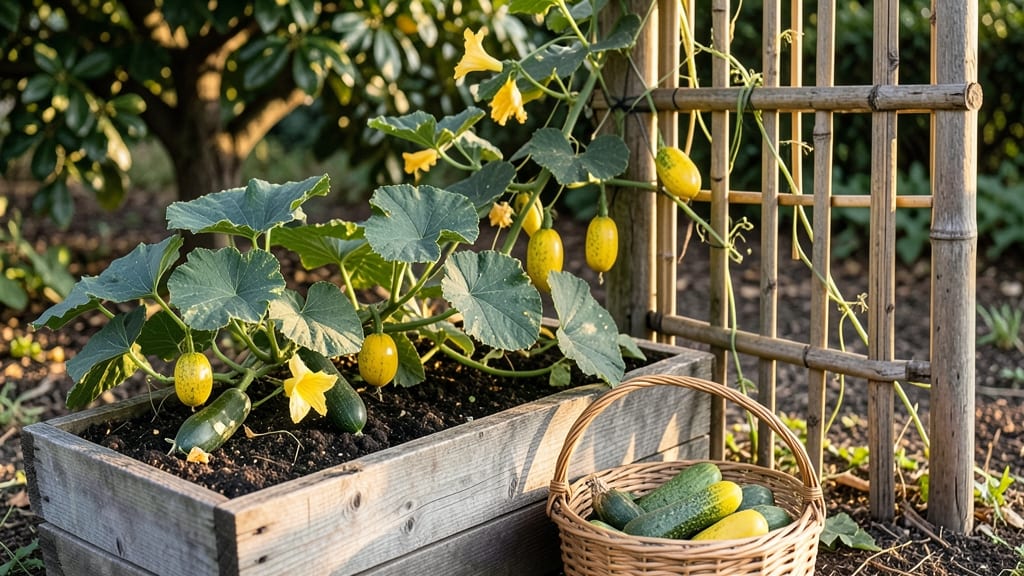
Growing Yellow Ball cucumbers means fast, reliable harvests—these little gold gems sprout in just 5-7 days and produce sweet, golf-ball-sized fruits all summer. 🌱 I planted mine last spring and was snipping cucumbers within 6 weeks, even in my partial-shade spot. The secret?
They thrive in both trellises and bush forms, so they fit any garden—no fancy setup needed.
These cucumbers crave rich, well-draining soil (think compost + aged manure) and full sun (at least 6 hours daily), but they’re forgiving if you give them consistent water—1-2 inches weekly, keeping soil moist but not soggy. The real magic?
Their disease resistance—no bitter fruits, no powdery mildew struggles here. Just crisp, sweet cucumbers that disappear from the vine faster than you can pick them. You’ll know they’re ready when they’re bright yellow and firm to the touch—harvest every 2-3 days to keep the plants producing.
One vine fed my family for 8 weeks straight, with zero fuss. Even my black-thumb neighbor grew a bountiful batch last summer. Perfect for beginner gardeners or anyone tired of fussy cucumber varieties. Let’s get those seeds in the ground!
What Triggers Yellowing Balls
If your yellow ball cucumber plants are producing misshapen, yellowed, or stunted fruits instead of crisp, vibrant green orbs, don’t panic—there are science-backed reasons behind this quirky behavior. Understanding the root causes (literally and figuratively) will help you diagnose and fix the issue before your harvest suffers.
Below, we break down the most common culprits, from environmental stressors to nutritional deficiencies, with actionable fixes for each.
Cucumbers are heat-sensitive and thrive in moderate temperatures. When exposed to extreme heat—especially above 90°F (32°C)—or rapid temperature swings, their growth can stall, leading to yellowed, deformed "balls" instead of proper fruit.
- Why it happens:
- Heat stress disrupts photosynthesis, causing chlorophyll (the green pigment) to break down prematurely.
- High temperatures also reduce pollination efficiency—cucumbers rely on bees or wind to transfer pollen, and heat can weaken flower production or viability.
- Soil moisture evaporates faster, leading to water stress, which further stunts fruit development.
- Actionable fixes:
- 🌿 Provide afternoon shade using shade cloth (30-50% coverage) during peak heat.
- 💧 Deep watering (1-2 inches per week) early in the morning to keep roots cool.
- 🌱 Use mulch (straw or grass clippings) to retain soil moisture and regulate temperature.
- ⏰ Avoid planting in late summer—opt for early spring or fall harvests in hot climates.
Cucumbers are 90% water, so inconsistent moisture levels can lead to yellowing, cracking, or misshapen fruit. Both overwatering and underwatering throw off the plant’s balance, triggering stress responses.
- Why it happens:
- Underwatering: Causes osmotic stress, where cells lose turgor pressure, leading to stunted growth and yellowing.
- Overwatering: Leads to root rot (from Pythium or Fusarium fungi) or nutrient leaching, depriving the plant of essential minerals like magnesium or nitrogen.
- Fluctuating moisture levels also disrupt pollination, as flowers may drop or fail to set properly.
- Actionable fixes:
- 📏 Check soil moisture 1-2 inches deep—water when dry but never soggy.
- 🕒 Water deeply 2-3 times per week (early morning) rather than daily shallow watering.
- 🌱 Improve drainage by amending soil with compost or perlite if your garden retains too much water.
- 🚫 Avoid wetting leaves (use drip irrigation or soaker hoses) to prevent fungal diseases.
Yellowing "balls" can signal a mineral deficiency, where the plant struggles to produce healthy fruit due to lack of key nutrients. Unlike mature leaves (which show deficiencies first), young fruit often reflects what’s missing in the soil.
| Symptom | Likely Deficiency | Why It Happens | Fix It |
|---|---|---|---|
| Pale yellow, small fruit with thin, brittle skin | Nitrogen (N) | Nitrogen is critical for leaf and fruit development. Deficiency slows growth, leading to stunted, yellowed fruit. | 🌿 Apply compost or blood meal (follow package rates). Avoid over-fertilizing—too much nitrogen = leafy growth, fewer fruits. |
| Yellowing between veins on young fruit (interveinal chlorosis) | Magnesium (Mg) | Magnesium is central to chlorophyll production. Deficiency causes yellow patches as the plant can’t synthesize enough green pigment. | 💡 Use Epsom salt (1 tbsp per gallon of water, sprayed on leaves or soil) or dolomitic lime (for long-term soil health). |
| Yellowing with purple or brown spots on fruit | Potassium (K) or Calcium (Ca) | Potassium regulates enzyme activity and water balance; calcium strengthens cell walls. Deficiencies lead to poor fruit development and susceptibility to rot. | 🍅 Feed with potassium-rich fertilizer (like banana peel tea) or crushed eggshells (for calcium). |
| Yellowing paired with stunted vines and weak stems | Phosphorus (P) | Phosphorus supports energy transfer in cells. Deficiency stalls fruit maturation and can cause yellowing. | 🪴 Add bone meal or rock phosphate to the soil before planting. |
Pro Tip: 💡 Conduct a soil test (available through local extension offices) to pinpoint exact deficiencies before amending soil.
Yellow ball cucumbers rely on cross-pollination (via bees or wind) to develop properly. If flowers aren’t pollinated—or if pollen is poor quality—you’ll end up with small, yellowed, or seedy "balls" instead of plump, crisp fruits.
- Why it happens:
- Lack of pollinators: Bees avoid plants stressed by pesticides, drought, or extreme heat.
- Poor flower health: Heat or nutrient deficiencies weaken flowers, reducing pollen viability.
- Self-pollination issues: Some cucumber varieties (like parthenocarpic types) don’t need pollination, but traditional ones rely on it.
- Actionable fixes:
- 🐝 Attract pollinators by planting bee-friendly flowers (like marigolds or borage) nearby.
- 🖌️ Hand-pollinate on cloudy days or in greenhouses: Use a soft paintbrush to transfer pollen from male to female flowers (female flowers have tiny cucumbers at their base).
Fixing Common Growing Challenges
Now that you understand why your round golden cucumbers might be struggling, let’s tackle the fixes—simple, actionable steps to get your plants thriving again. Whether it’s pests, disease, or environmental stress, these solutions are designed to be easy to follow and prevent future issues.
If aphids, cucumber beetles, or spider mites are attacking your plants, act fast to protect your harvest.
🔥 H3: Remove Infestations Immediately
- Handpick pests in the morning when they’re sluggish. Drop them into soapy water to kill them.
- Spray with neem oil (1 tsp per quart of water) for a natural, organic deterrent. Reapply every 5–7 days.
- Use row covers early in the season to block beetles before they lay eggs.
💡 Prevention Tip: Plant nasturtiums or marigolds nearby—they repel pests naturally and add beauty to your garden!
Yellowing leaves or mushy stems? Fungal diseases like powdery mildew or bacterial wilt can ruin your crop.
🍳 H3: Improve Airflow & Watering Habits
- Space plants 12–24 inches apart (or prune vines) to reduce humidity and airflow issues.
- Water at the base (not overhead) to prevent fungal spores from splashing onto leaves.
- Remove infected leaves immediately and dispose of them in the trash (not compost).
🌡️ Prevention Tip: Choose disease-resistant varieties (like ‘Straight Eight’ or ‘Lemon’) and rotate crops yearly to prevent soil-borne diseases.
Too much sun, not enough water, or poor soil can stunt your cucumbers.
👨🍳 H3: Fix Light & Watering Mistakes
- Provide shade cloth (30–50%) if your area gets intense afternoon sun (common in hot climates).
- Water deeply 1–2 inches per week, keeping soil moist but not soggy. Drip irrigation works best.
- Mulch with straw or grass clippings to retain moisture and regulate soil temperature.
✨ Prevention Tip: Test your soil’s pH (6.0–6.8 is ideal)—yellowing can signal nutrient deficiencies. Add compost or a balanced fertilizer if needed.
If flowers fall off or cucumbers stay small, pollination might be the issue.
🔪 H3: Hand-Pollinate or Attract Bees
- Gently shake plants in the morning to help pollen transfer.
- Plant bee-friendly flowers (like borage or sunflowers) nearby to attract pollinators.
- Use a small paintbrush to transfer pollen between male and female flowers if bees are scarce.
🎯 Prevention Tip: Avoid over-fertilizing with nitrogen—it promotes leafy growth but reduces flowering.
Yellowing leaves (especially older ones) can mean a lack of key nutrients.
⏰ H3: Fix with the Right Fertilizer
- Nitrogen deficiency? Use fish emulsion or compost tea for a quick green boost.
- Potassium/magnesium issues? Apply Epsom salt (1 tbsp per gallon of water) or a balanced 5-5-5 fertilizer.
- Slow-release organic fertilizer (like worm castings) prevents future deficiencies.
📊 Prevention Tip: Do a soil test every 2–3 years to tailor your fertilizer plan—don’t guess!
With these fixes, your yellow ball cucumbers should bounce back strong. The key is early action—catch problems before they spread, and your garden will reward you with a bountiful harvest! 🌿🍉
Frequently asked questions
How long does it take for yellow ball cucumber seeds to germinate?
These cucumbers are famous for their fast germination—typically 5-7 days under ideal conditions (warm soil at 70-90°F and consistent moisture). For quicker sprouts, soak seeds overnight before planting and keep the soil warm with black plastic mulch.
Can I grow yellow ball cucumbers in containers?
They thrive in 5-gallon containers or larger with proper drainage. Use a lightweight potting mix and support vines with a trellis. Just ensure containers get at least 6 hours of sunlight daily and water consistently—container-grown plants dry out faster.
Why are my yellow ball cucumbers turning bitter?
Bitterness usually means stress—common causes include overripe fruit (leave them too long on the vine), heat stress (above 90°F), or nutrient deficiencies (especially nitrogen). Harvest when firm and yellow, provide afternoon shade in extreme heat, and feed with compost for balanced growth.
How do I know when yellow ball cucumbers are fully ripe?
Look for bright yellow color, firm texture (no soft spots), and golf-ball size (1.5-2 inches in diameter). They should snap easily when bent—if they bend without snapping, they're overripe. Harvest every 2-3 days to encourage more production.
Are yellow ball cucumbers self-pollinating?
Most varieties need cross-pollination from bees or wind. If you notice small, seedy cucumbers instead of plump ones, hand-pollinate with a soft paintbrush or plant bee-friendly flowers nearby (like marigolds). For guaranteed results, grow a few plants together to ensure proper pollination.