
How To
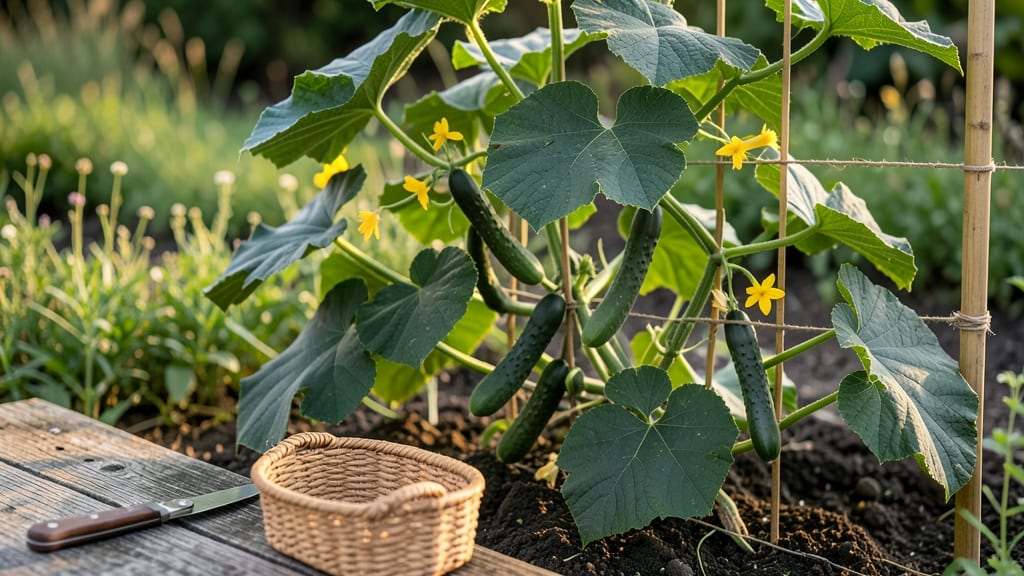
How to know when cucumber is ready to pick determines whether you’ll enjoy a crisp, flavorful harvest—or end up with bitter, seedy disappointment, so here’s how to spot the perfect moment.
Picture this: you’ve been watching your vines grow, and now those cucumbers are popping up faster than you can handle. But here’s the catch—picking too early means tough skins and underdeveloped flavor, while waiting too long turns them into oversized, watery giants.
The key? A mix of size, color, and texture that tells you, yes, it’s time.
Most gardeners focus on size—like aiming for 6-8 inches for slicing types—but color and firmness are just as important. A deep, even green (or variegated for heirlooms) paired with a slight give when pressed means your cucumber is primed for the kitchen.
And if you’re growing pickling varieties, you’ll want them smaller, around 3-4 inches, with a bright, crisp look.
In this guide, I’ll break down the three simple checks you need to know—plus how to handle different varieties and avoid the most common mistakes. By the end, you’ll never second-guess your harvest again.
Cucumber ripeness by size: exact measurements for perfect picking
One of the biggest mistakes I see in home gardens is picking cucumbers either too early or too late—both ruin flavor and texture. The truth? Size matters more than you think, especially when you're growing different varieties for slicing, pickling, or snacking.
A 6-inch slicing cucumber harvested too soon will taste bland, while a 4-inch pickling cucumber left too long turns bitter and seedy. Let's break down the exact measurements that guarantee perfect harvests every time.
Most gardeners rely on visual cues alone, but precise size guidelines tailored to your cucumber type are the secret weapon. For example, a slicing cucumber like 'Straight Eight' should be harvested at 6-8 inches, while a pickling variety like 'Boston Pickling' stops at 3-4 inches.
Even heirloom types have their own sweet spots—like the 10-12 inch length for 'Lemon Cucumber' when it's truly ripe. Without these measurements, you're guessing, and that's how you end up with grocery-store cucumbers instead of homegrown gems.
To make this even easier, I've compared cucumber sizes to everyday objects you already have in your kitchen or garden. A 6-inch slicing cucumber is roughly the length of a standard banana, while a 4-inch pickling cucumber matches a medium carrot.
These comparisons help you judge ripeness without a ruler—just glance at your harvest and compare!
Here's my pro tip: Always check the variety's label before planting, as some modern hybrids are bred for specific sizes. For instance, 'Dasher II' is a bush-type slicing cucumber that tops out at 7 inches, while 'National Pickling' stays compact at 3-4 inches.
If you're growing from seed, note the expected mature size on
Color and texture clues: beyond size—what to look for on the vine
When checking cucumbers for ripeness, color and texture reveal more than just size. A deep green skin with no yellowing is ideal for slicing varieties, while white or yellow streaks often signal overripeness. Pay attention to the stem end, which softens and turns yellowish when ready to harvest.
Texture is your next clue: Firm cucumbers with a slight give when gently pressed are perfect. If the skin feels spongy or soft, it’s past its prime. Bumps or rough patches can indicate pest damage or uneven growth, so inspect carefully before picking.
🌱 Key Takeaway: How to Know When Cucumbers Are Ready
- Color: Deep green (or variegated for heirlooms), no yellowing on skin
- Stem End: Softens, turns yellowish when pressed
- Texture: Firm but yields slightly to gentle pressure
- Avoid: Pale, spongy, or overly soft cucumbers
✅ Ready to pick: Skin separates easily from vine when twisted
One common mistake is waiting too long for cucumbers to reach their maximum size. Overripe cucumbers develop seeds that turn white and a bitter taste. For pickling varieties, harvest when they’re 3-4 inches long—smaller size ensures crispness.
Always check the vine’s health too; stressed plants may produce cucumbers faster than they ripen properly.
If you’re unsure, pick a few cucumbers and taste-test them. The best cucumbers should be crisp, juicy, and mild with minimal seeds. For heirloom varieties, uneven coloring is normal, but avoid those with dark spots or mold, which indicate rot.
Morning is the best time to harvest because cucumbers are cooler and firmer after the night. Use a sharp knife or pruners to cut the stem, leaving a small portion attached to the vine. This reduces damage and encourages more production.
Remember, consistent harvesting keeps your cucumber plant productive. If left unchecked, cucumbers can overwhelm the vine, leading to fewer but larger (and often less flavorful) fruits. Check your vines every 2-3 days during peak season to avoid missing the perfect moment.