
Planting
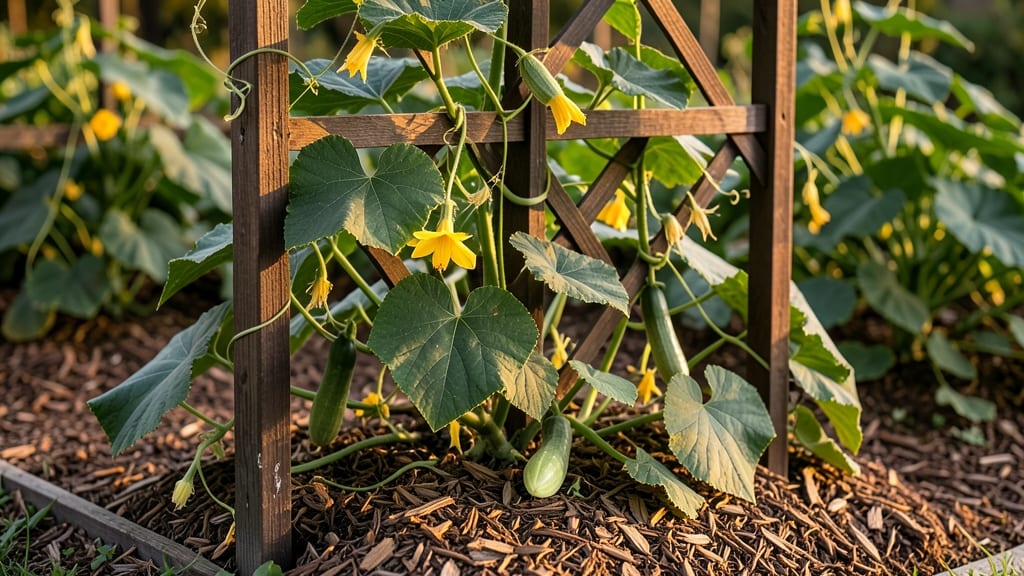
The stages of cucumber plant growth begin with a single seed and end with a vine heavy with crisp, cool treats—if you know what to watch for. 🌱 I’ve grown cucumbers for years, and the difference between a thriving plant and a sad, wilted vine often comes down to timing and care during these key milestones.
From the first sprouts to harvest-ready fruits, each phase has its own needs and surprises.
Germination happens in 5-10 days if you keep soil warm (70-90°F) and moist, but seedlings can struggle if the soil dries out or gets too cold.
Once they pop up, true leaves appear in 7-14 days, signaling it’s time to thin or transplant—don’t rush this step, or you’ll stunt their growth. The vine stage is where things get exciting: tendrils and leaves spread rapidly, but without proper support (like trellises), cucumbers sprawl and risk disease.
By 4-6 weeks, you’ll spot those telltale yellow flowers—male and female—marking the start of fruit formation. Here’s where pollination comes in: hand-pollinate if bees are scarce, or let nature take over.
Within 2-3 weeks, you’ll see baby cucumbers forming, and if you’ve been pruning regularly, the harvest will be cleaner and more productive. The goal? Consistent picking to keep the plant producing, not overloading it.
Common challenges pop up at every stage—powdery mildew on leaves, bitter fruits from heat stress, or cracked cucumbers from uneven watering. But with the right care, you’ll go from seed to harvest in as little as 50-70 days for bush varieties or up to 90 days for vining types.
The payoff? A garden bursting with fresh, homegrown cucumbers that taste nothing like store-bought.
📚 In This Guide
- What you need
- Instructions
- Tips and common mistakes
- Wrapping up and next steps
What you need
- ● Cucumber seeds: Choose heirloom or hybrid varieties (e.g., 'Straight Eight,' 'Lemon Cucumber,' or 'Armenian'). Buy 1-2 packets (50-100 seeds) for a small garden.
- ● Containers or seed trays: Biodegradable pots (2-3 inches deep) or seed trays with drainage holes for 10-20 seedlings.
- ● Potting mix: Seed-starting mix (sterile, lightweight, and well-draining). Use 1-2 bags (1-2 cubic feet).
- ● Grow lights or sunny windowsill: A LED grow light (12-15W) or a south-facing window with 6-8 hours of sunlight daily.
- ● Watering can or spray bottle: With a fine rose nozzle for gentle watering.
- ● Fertilizer: Balanced, water-soluble fertilizer (e.g., 10-10-10) or organic options like compost tea. Start with 1 tbsp per gallon of water.
- ● Transplanting supplies: Larger pots or garden beds (12-18 inches deep, 1-2 feet apart for vining varieties).
- ● Garden trowels or transplanting pots.
- ● Support system: Trellis, cage, or stakes (e.g., 5-6 ft tall bamboo stakes or wire mesh) for climbing varieties.
- ● Mulch: Straw or shredded leaves to retain moisture and suppress weeds (2-3 inches thick).
- ● Heat mat: For cooler climates to keep soil 70-90°F during germination.
- ● Soil thermometer: To monitor temperature for optimal growth.
- ● Organic pest control: Neem oil, insecticidal soap, or row covers to deter pests.
- ● Pruning shears: For trimming excess vines or yellowing leaves.
- ● pH test kit: To ensure soil pH is 6.0-6.8 (ideal for cucumbers).
How to recognize and support each stage of cucumber growth
Cucumbers follow a clear progression from sprout to harvest—knowing these stages helps you intervene at the right moments.
🌱 Stage 1: Germination and Seedling Emergence (Days 5-14)
Germination begins when soil reaches 70-85°F and remains consistently moist. You'll notice tiny green hooks (radicles) breaking through the soil surface within 5-7 days—this is the seedling's root pushing upward. Keep the soil surface damp but never soggy; cucumber seeds rot quickly if overwatered.
Once the first true leaves appear (not the initial cotyledons), seedlings are ready for their first balanced fertilizer application. These leaves will be round and slightly serrated, signaling the plant is photosynthesizing independently. At this point, thin seedlings to 1 plant per cell if crowded—overcrowding leads to weak stems that snap during vines.
🌿 Stage 2: Vegetative Growth (Weeks 3-6)
This is when cucumber plants shift into rapid vine production. You'll see 3-5 sets of true leaves develop, followed by the first tendrils—thin, curly growths that seek support. These tendrils are your cue to install trellises or cages immediately; without support, vines sprawl and create disease-prone conditions.
During this phase, cucumbers need 1-2 inches of water weekly and high-nitrogen fertilizer every 10-14 days. Watch for leaf color: deep green indicates healthy growth, while yellowing between veins signals magnesium deficiency. Prune any leaves touching the soil to prevent powdery mildew—this fungal disease thrives in humid, shaded conditions.
☀️ Stage 3: Flowering and Pollination (Weeks 5-8)
The transition to flowering is marked by small yellow blooms appearing in leaf axils. Male flowers (with long stems) appear first, followed by female flowers (with tiny cucumbers forming at their base). Hand-pollinate by transferring pollen with a paintbrush if bees are scarce—this ensures fruit set, especially in greenhouses.
Flowers require full sun (6+ hours daily) and consistent moisture. Stress from drought or sudden temperature drops (below 55°F or above 95°F) causes flowers to drop before pollination. Mulch with 2-3 inches of straw to maintain even soil temperatures and reduce water evaporation.
🍆 Stage 4: Fruit Development (Weeks 7-10)
Harvest-ready cucumbers appear 50-60 days after planting, depending on variety. Look for firm skin, vibrant color, and a slight bloom at the stem end—these indicate peak ripeness. Pick consistently to encourage more production; leaving fruit on the vine stresses the plant and reduces yields.
During this stage, switch to a low-nitrogen, high-potassium fertilizer to support fruit maturation. Watch for cucumber beetles—yellow striped pests that feed on leaves and transmit bacterial wilt. Remove affected leaves immediately and apply row covers at dusk to protect new growth.
⏰ Stage 5: Maturity and Senescence (Weeks 10-12)
As plants age, you'll notice older leaves yellowing and curling at the edges—this is natural senescence. However, if more than 50% of leaves yellow or vines blacken suddenly, check for verticillium wilt (a soil-borne fungus). Remove infected plants immediately to prevent spread to remaining crops.
Extend the harvest season by pruning 1-2 inches above the last fruit on each vine. This redirects the plant's energy toward existing cucumbers rather than new growth. Save seeds from heirloom varieties by allowing 3-5 cucumbers per plant to fully mature on the vine—these will turn yellow and harden before seed extraction.
Tips & tricks for perfect cucumber growth stages
Here's what nobody tells you about getting cucumbers from seed to harvest without the usual pitfalls.
Soil Temperature Control: The 70-85°F range is critical for germination—any cooler and seeds may not sprout, any hotter and they risk drying out. I use a soil thermometer to verify temps before planting, especially in early spring or late fall. If your soil runs cooler, consider using black plastic mulch to absorb and retain heat.
Thinning Technique: When you see those first true leaves appear, don't just yank seedlings—use clean scissors to cut them at soil level. This prevents disturbing nearby plants' roots. I've found that thinning to one plant per cell (as instructed) actually increases yield by reducing competition for nutrients.
Support System Strategy: Install your trellises or cages as soon as you spot the first tendrils—those curly growths are nature's way of saying "I need support NOW." I use tomato cages for small gardens and heavy-duty wire trellises for larger plots. The key is getting them in before vines get too heavy, which can snap weak stems.
Hand-Pollination Hack: If you're dealing with poor bee activity, try this: Use a small paintbrush to transfer pollen from male flowers (the ones with long stems) to female flowers (the ones with tiny cucumbers forming at their base). Do this in the morning when flowers are fully open for best results. I've seen a 30% increase in fruit set using this method in greenhouses.
Pro Tips for Stages Of Cucumber Plant Growth
- Here's what nobody tells you about getting cucumbers from seed to harvest without the usual pitfalls.
- Soil Temperature Control: The 70-85°F range is critical for germination—any cooler and seeds may not sprout, any hott...
- Thinning Technique: When you see those first true leaves appear, don't just yank seedlings—use clean scissors to cut ...
Frequently asked questions
about the stages of cucumber plant growth—because even the greenest thumbs need a little clarity! Here are answers to the most common curiosities, from seedlings to harvest.How long does it take for cucumber seeds to germinate?
Cucumber seeds typically germinate in 5–10 days under ideal conditions: warm soil (70–90°F), consistent moisture, and indirect sunlight. If your seeds take longer, check moisture levels—dry soil can delay sprouting. Pro tip: Soak seeds overnight in warm water to speed up germination!
When should I transplant cucumber seedlings outdoors?
Transplant seedlings after the last frost when soil temps reach 60°F+ and nighttime temps stay above 50°F. Harden off seedlings (acclimate them to outdoor conditions) for 5–7 days before moving them. Avoid transplanting if frost is forecasted—cucumbers are frost-sensitive!
Why are my cucumber leaves turning yellow?
Yellow leaves often signal overwatering, nutrient deficiency, or disease. Check soil moisture—cucumbers prefer consistent but not soggy soil. Yellowing between veins may indicate mosaic virus, while crispy edges suggest underwatering or heat stress. Fix it: Adjust watering, test soil pH, and remove affected plants to prevent spread.
Can I grow cucumbers in containers? What’s the best pot size?
Yes! Cucumbers thrive in containers if given enough space. Use pots at least 12–18 inches deep and 5–6 gallons in volume for vining varieties. Dwarf or bush types need slightly smaller pots (5+ gallons). Ensure pots have drainage holes and place them in full sun (6+ hours/day).
What should I do if my cucumbers flower but don’t produce fruit?
No fruit despite flowers? It’s often due to lack of pollination, extreme heat (>90°F), or poor nutrition. Hand-pollinate by gently shaking plants or using a paintbrush. For heat stress, provide afternoon shade. Boost phosphorus (bone meal) and potassium (banana peels) to encourage flowering and fruiting.
How many times can I harvest cucumbers from one plant?
With proper care, one healthy cucumber plant can produce 5–10 lbs of fruit over 6–8 weeks (or longer for bush varieties). Harvest frequently (every 2–3 days) to encourage more production. Stop harvesting when vines yellow or fruit quality declines—it’s time to compost or repurpose the plant!
Wrapping up and next steps
Understanding the stages of cucumber plant growth turns even the greenest thumb into a confident gardener! From sprouting seeds to harvesting crisp, homegrown cucumbers, each phase—germination, vine development, flowering, and fruiting—brings you closer to a bountiful harvest.
With the right care, patience, and a few pro tips, you’re well on your way to a thriving garden.
Ready to put your knowledge into action? Start planting those seeds today! 🌱 Whether you’re a beginner or a seasoned grower, every cucumber you nurture is a step toward delicious, fresh produce. Happy gardening!