
Pests
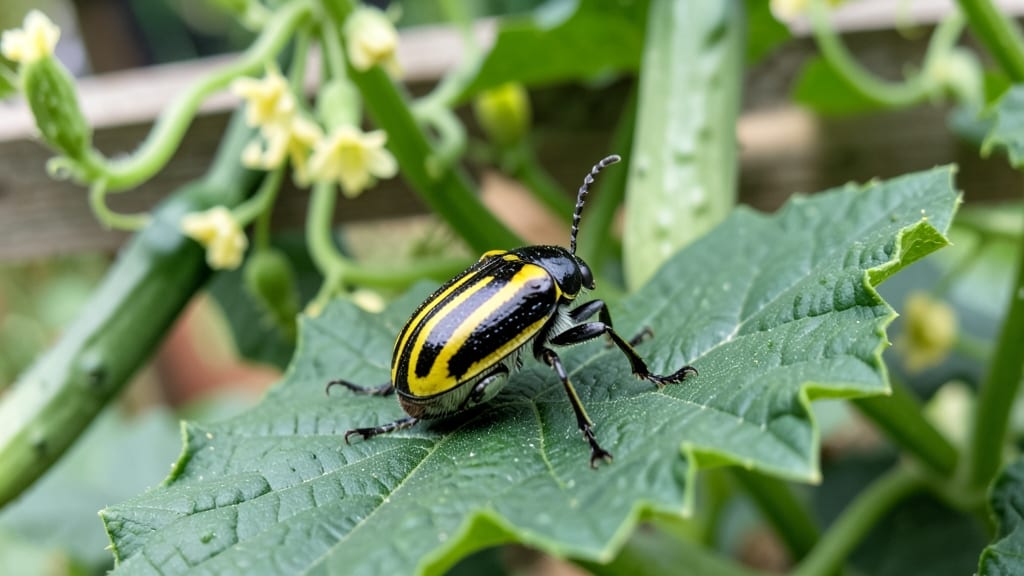
Getting rid of cucumber beetles before they start is the key to saving your cucumber plants from skeleton leaves overnight—here’s the foolproof way I’ve used to stop them. 🌱 This lightweight fabric blocks beetles entirely while letting sunlight and water through, and it works the first time you use it.
The damage happens fast—chewed leaves, wilting vines, and bacterial wilt spreading through your plants. Most gardeners wait until they see the first beetle, but by then it’s too late.
The secret is covering your plants before they arrive, usually when cucumbers first sprout. A simple 3-foot-tall frame with lightweight fabric keeps beetles out while your plants grow strong.
By midseason, you’ll be harvesting crisp cucumbers, squash, and melons without a single chewed leaf in sight. The fabric stays in place until flowering begins, then you can remove it to let bees pollinate your plants. No more frantic spraying or last-minute fixes—just instant protection that works every time.
This method works for any garden size, from small containers to full rows. Once you try it, you’ll never go back to struggling with beetles again. Here’s exactly how to set it up for your plants this season.
The Hidden Triggers Behind Beetle Infestations
Cucumber beetles—those tiny, striped pests—don’t just appear out of nowhere. Their presence in your garden is the result of a mix of environmental, agricultural, and biological factors. Understanding why these beetles target your cucumbers, melons, and squash is the first step to stopping them.
Here’s a breakdown of the key reasons they invade your plants, backed by science and actionable insights.
Cucumber beetles are drawn to the volatile organic compounds (VOCs) emitted by their favorite host plants—cucumbers, squash, melons, and even certain weeds like buffalo gourd. These compounds act like a dinner bell, signaling to beetles that a meal (and potential breeding ground) is nearby.
- Squash family allure: Plants in the Cucurbitaceae family produce cucurbitacins, bitter compounds that some beetles actually prefer. While these chemicals deter humans, they attract cucumber beetles, which use them to locate hosts.
- Yellow flowers: Beetles are also lured by bright yellow blossoms (like those on marigolds or mustard weeds), which they mistake for cucurbit flowers. This is why they often show up before your cucumber plants even sprout!
- Stressed plants: Drought, poor soil, or nutrient deficiencies make plants release even more VOCs as a distress signal—essentially screaming, “Eat me!” to pests.
Actionable fix: Interplant with non-host flowers (like basil or nasturtiums) to confuse beetles, or use row covers to block their access entirely.
Cucumber beetles thrive in warm temperatures (70–90°F), making them a year-round nuisance in southern climates but a seasonal scourge in cooler regions. Their life cycle is tightly linked to heat:
- Adults emerge early: As soon as soil warms in spring, overwintered beetles crawl out of leaf litter or garden debris to feed and lay eggs.
- Faster reproduction: Warmth accelerates their breeding cycle—females can lay hundreds of eggs in weeks, leading to explosive populations.
- Extended activity: In hot climates, they don’t take summer breaks, leading to continuous damage if unchecked.
Actionable fix: Plant early-season crops under floating row covers to delay beetle access until plants are established. In hot zones, use shade cloth to reduce peak heat stress on plants (and beetle activity).
Cucumber beetles don’t just show up—they hide. Adults survive winter in garden debris, leaf litter, or weed patches, emerging when conditions are right. Their larvae, meanwhile, burrow into soil or plant stems, waiting to pupate.
- Common hiding spots:
- Old crop residues (e.g., rotting squash vines)
- Weeds like pigweed or smartweed (which they also feed on)
- Mulch piles or untended garden edges
- Larvae in soil: The grubs of spotted cucumber beetles chew roots underground, weakening plants before adults even appear.
Actionable fix: Clear garden beds of debris before spring planting, and rotate crops annually to disrupt their life cycle. Neem oil or beneficial nematodes can target larvae in soil.
While cucumber beetles have some natural enemies—like lady beetles, parasitic wasps, and tachinid flies—they often outpace these predators due to:
- Chemical defenses: Beetles exude a foul-tasting fluid when threatened, deterring many predators.
- Rapid reproduction: A single female can produce 500–1,000 eggs in her lifetime, overwhelming local predator populations.
- Pesticide resistance: Overuse of broad-spectrum insecticides (like carbaryl) has made beetles less vulnerable to general pest control.
Actionable fix: Encourage predators by planting diverse pollinator-friendly flowers (e.g., dill, fennel) and avoiding harsh chemicals. Introduce beneficial nematodes (Steinernema feltiae) to target larvae.
💡 Pro Tip: Beetles are most active in the morning and late afternoon. Inspect plants during these times to catch them mid-feast—and remove them before they lay eggs!
Beat Back Beetles Naturally
Cucumber beetles may be tiny, but they pack a punch—chewing through leaves, spreading disease, and stunting your cucumber plants. The good news? You don’t need harsh chemicals to fight back. Below are practical, effective solutions tailored to the root causes of your beetle problem, from quick fixes to long-term prevention.
---
Cucumber beetles are drawn to open, sunny patches where they can easily hop onto plants. The fastest way to block their access?
- 🍳 Row Covers to the Rescue Use floating row covers (lightweight fabric) over young plants as soon as they sprout.
Secure edges with soil or bricks to prevent beetles from crawling underneath. Pro tip: Leave a small gap at the base for pollinators (like bees) if your plants need them—but remove covers during flowering if hand-pollination isn’t an option.
- 👨🍳 DIY Collars for Seedlings For newly planted seeds or seedlings, wrap the stems with cardboard collars (cut from toilet paper rolls or stiff paper) buried 2 inches into the soil. This creates a physical barrier beetles can’t chew through.
---
If beetles are already in your garden, distraction tactics can thin their numbers without harming your plants.
- 🔪 Yellow Sticky Traps Hang yellow sticky cards (or DIY versions made with yellow paper and Tanglefoot) near your cucumber patch. Beetles are attracted to yellow and will get stuck. Replace traps every 3–5 days for best results.
- 🍯 Beer or Vinegar Traps Fill a shallow dish with beer, apple cider vinegar, or a mix of both and place it near infested areas. The scent lures beetles in, where they drown. Refresh the liquid every 2–3 days for continuous effectiveness.
---
Cucumber beetles have two generations per year—spring and summer. Adjust your strategy based on their lifecycle:
| Season | Beetle Activity | Your Move | |------------------|-----------------------------|-----------------------------------------------| | Early Spring | Adults emerge, lay eggs | Use row covers + sticky traps | | Late Spring | Larvae hatch, feed on roots | Apply neem oil or kaolin clay to soil | | Summer | Second generation adults | Rotate traps + introduce beneficial insects |
---
For existing infestations, sprays act as a deterrent while protecting your plants. Test on a small area first to avoid damage.
- 💡 Neem Oil Spray Mix 1 tbsp neem oil + 1 tsp mild soap + 1 quart water in a spray bottle. Apply in the early morning or evening to avoid harming bees. Reapply every 5–7 days or after rain.
- 🎯 Kaolin Clay (Surround WP) This non-toxic mineral spray creates a protective film that repels beetles. Mix 1–2 tbsp per gallon of water and spray foliage thoroughly. Reapply every 7–10 days or after heavy rain.
- 🌿 Garlic or Chili Pepper Spray Blend 1 chopped garlic bulb + 1 tbsp cayenne pepper + 1 quart water. Strain, add 1 tsp soap, and spray on leaves. Beetles dislike the strong scent—reapply every 3–5 days.
---
The best offense is a healthy, beetle-resistant garden. Build habits that make your space unwelcoming to these pests:
- 🌱 Plant Companion Crops Interplant cucumbers with nasturtiums, radishes, or marigolds—these act as trap crops, drawing beetles away from your main plants.
- 💪 Strengthen Your Soil Healthy plants bounce back faster from beetle damage. Add compost or worm castings to boost root health and resilience.
- 🌿 Rotate Plant Families Avoid growing cucumbers (or other cucurbits like squash and melons) in the same spot yearly. This disrupts beetle lifecycle patterns.
- 🌞 Early Morning Watering Beetles are most active in warm sunlight. Watering plants in the early morning helps wash away eggs and deters adults from landing.
--- Final Thought: Cucumber beetles are persistent, but with a mix of barriers, traps, and organic sprays, you can reclaim your garden without chemicals. Start with row covers for young plants, then layer in traps and sprays as needed.
Consistency is key—stay vigilant, and your cucumbers will thrive! 🥒💪
Frequently asked questions about cucumber beetles
Why do cucumber beetles target my cucumber plants specifically?
Cucumber beetles are drawn to plants in the cucurbit family (cucumbers, squash, melons) because these plants release cucurbitacins, bitter compounds that actually attract these pests. They also love yellow flowers, which they mistake for cucurbit blooms. Even stressed plants release more scent signals, making them even more appealing.
Can I use row covers year-round, or do I need to remove them?
Row covers should stay on until flowering begins (usually 4-6 weeks after planting) to protect young plants. Once flowers appear, remove covers temporarily to allow pollinators access—hand-pollinate if needed. Reapply after fruiting starts to protect developing cucumbers. For continuous protection, use fine mesh fabric rated for pollinators.
How long does it take for neem oil sprays to work against beetles?
Neem oil works within 24-48 hours of application, but you'll see the most noticeable results after 3-5 days of consistent use. Spray in the early morning or evening to avoid harming bees, and reapply every 5-7 days or after rain. For severe infestations, combine with yellow sticky traps for faster results.
Will beer traps actually work, or is this just a myth?
Beer traps are 100% effective when used correctly! The yeast and sugar in beer attract beetles, who drown in the liquid. Place shallow dishes filled with beer near infested areas and refresh every 2-3 days. For best results, use dark beer or apple cider vinegar—beetles find these especially irresistible.
What should I do if my plants already have bacterial wilt from beetles?
Unfortunately, bacterial wilt is incurable—remove and destroy infected plants immediately to prevent spread. Disinfect tools with 70% rubbing alcohol, and avoid planting cucurbits in that spot for at least 2 years. Focus on prevention next season: use row covers early, rotate crops, and monitor for beetles relentlessly.