
Tools
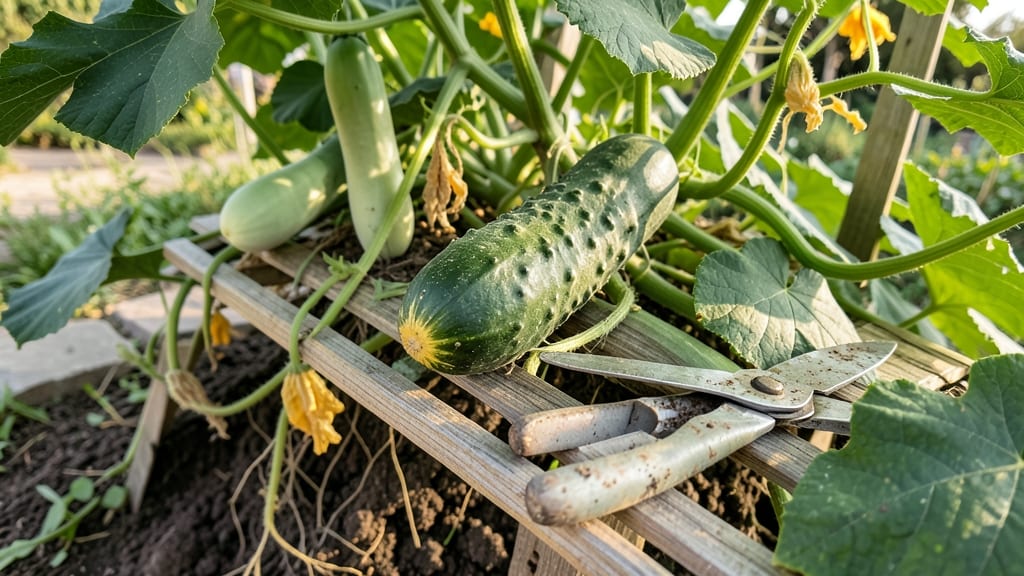
Your garden cucumbers taste bitter because they're either overripe, stressed, or not getting what they need to stay sweet. 🌱 I've grown hundreds of cucumbers, and the bitter flavor always points to one of three simple issues: too much heat, not enough water, or poor soil balance.
The good news? Fixing it takes just a few adjustments—and you'll be back to crunchy, sweet cucumbers in no time.
Overripe cucumbers develop bitter compounds called cucurbitacins as they age, while heat stress (above 90°F) forces plants to produce bitter-tasting fruit. Even inconsistent watering—letting soil dry out completely—triggers bitterness.
The solution starts with checking your harvest timing: pick cucumbers when they're firm, dark green, and 6-8 inches long, before seeds turn yellow or the skin gets waxy.
For stressed plants, focus on even moisture (1-2 inches of water per week) and shade during peak afternoon heat. A balanced fertilizer with extra potassium helps too—think of it as a flavor booster.
Within a week of adjusting care, your next harvest will taste fresh and crisp again, with none of that unpleasant aftertaste.
This fix works for all cucumber varieties, whether you're growing straightnecks, slicers, or pickling types. The key is consistency: water deeply but not too often, harvest regularly, and keep plants cool. Once you master these steps, you'll never taste bitter cucumbers again—and your neighbors will be asking for your secret.
The Root Causes Of Bitterness
Understanding why your garden cucumbers taste bitter starts with exploring the science behind flavor development. Bitterness in cucumbers is primarily caused by cucurbitacin, a natural compound produced by plants as a defense mechanism against pests and harsh conditions.
While cucurbitacin is harmless in small amounts, its overproduction leads to that unpleasant, lingering bitterness. Let’s break down the key factors that trigger this chemical response.
Cucumbers are sensitive to extreme temperatures, especially consistent heat above 85°F (29°C). When plants struggle to regulate their internal temperature, they ramp up cucurbitacin production as a survival tactic. Additionally, cucumbers left on the vine too long—especially in hot weather—accumulate more bitterness over time.
Why it happens:
- High daytime temps (90°F+/32°C+) + low nighttime temps (below 60°F/15°C) create stress.
- Overripe cucumbers (yellowing, seedy, or shriveled) have higher concentrations of cucurbitacin.
- Drought conditions force plants to prioritize survival over flavor, leading to bitter compounds.
Actionable fix:
- Harvest cucumbers frequently (every 2–3 days) to prevent overripening.
- Use shade cloth (30–50%) during peak afternoon heat.
- Water deeply and consistently (1–2 inches per week) to reduce stress.
Inconsistent watering or poor soil health can directly trigger bitterness. Cucumbers thrive on steady moisture—fluctuations cause osmotic stress, prompting the plant to produce defensive compounds.
Meanwhile, excessive nitrogen (common in over-fertilized soil) may boost leafy growth at the expense of flavor, while deficiencies in potassium or magnesium weaken the plant’s ability to regulate cucurbitacin.
Why it happens:
- Drought followed by sudden watering shocks the plant, spiking bitterness.
- Salty or alkaline soil (from over-fertilization or poor drainage) stresses roots.
- Nutrient deficiencies (e.g., low boron or calcium) disrupt metabolic processes.
Actionable fix:
- Mulch heavily (straw or wood chips) to retain moisture and regulate soil temp.
- Test soil pH (ideal: 6.0–6.8) and amend with compost or sulfur if needed.
- Balance fertilizers: Use a low-nitrogen, high-potassium formula (e.g., 5-10-10) mid-season.
Physical damage from pests (like cucumber beetles, aphids, or spider mites) forces plants into "defense mode," flooding tissues with cucurbitacin. Even mechanical stress (e.g., rough handling during harvest) can trigger bitterness. Additionally, diseases (powdery mildew, downy mildew) weaken plants, making them more prone to producing bitter compounds.
Why it happens:
- Cucumber beetles (yellow stripes!) chew leaves and vines, releasing stress hormones.
- Aphids or mites suck sap, disrupting nutrient flow to fruits.
- Fungal infections (white powdery patches) block photosynthesis, starving the plant.
Actionable fix:
- Handpick pests early (drop them in soapy water).
- Use row covers (floating fabric) to block beetles before planting.
- Spray neem oil (weekly preventative) or kaolin clay as a barrier.
- Rotate crops yearly to prevent soil-borne diseases.
Not all cucumbers are created equal! Bitter-tolerant varieties (like ‘Lemon Cucumber’ or ‘Armenian’) naturally produce more cucurbitacin, while slicing types (e.g., ‘Straight Eight’ or ‘Marketmore’) are bred for milder flavor. Even within a variety, older seeds (5+ years) may yield bitterer fruit due to genetic degradation.
Why it happens:
- Hybrid seeds sometimes revert to bitter traits if saved improperly.
- Heirloom varieties (e.g., ‘Bush Champion’) may have higher cucurbitacin levels.
- Seed age affects vigor and flavor consistency.
Actionable fix:
- Choose reputable seeds from trusted suppliers (e.g., Johnny’s Selected Seeds).
- Start fresh seeds every 1–2 years if saving your own.
- Opt for "sweet" or "burpless" varieties if bitterness is a recurring issue.
Poor soil quality or exposure to heavy metals (from contaminated compost or runoff) can alter cucumber flavor. While rare in home gardens, excessive aluminum or manganese in acidic soils may contribute to bitterness. Even polluted air (e.g., near highways) can stress plants indirectly.
Why it happens:
- Heavy metals (lead, cadmium) disrupt enzyme activity in fruits.
- Acidic soil (pH <5.5) increases uptake of harmful minerals.
- Air pollution (ozone, sulfur dioxide) damages leaf stomata, reducing photosynthesis.
Actionable fix:
- Test soil for heavy metals if near industrial areas (use a lab test).
- Raise pH with lime if soil is too acidic (aim for 6.0–6.8).
- Grow in raised beds with fresh, sterile potting mix if urban gardening.
Pro Tip: 💡 Bitterness often peaks in the hottest part of the day—harvest cucumbers in the early morning for the mildest flavor!
Fixing Bitter Cucumbers Naturally
Now that you know the science behind bitter-tasting cucumbers, let’s roll up our sleeves and turn those puckery plants into crisp, sweet treats! The good news? Most fixes are simple, cost-effective, and rooted in smart gardening practices.
Below, we’ll match each common cause to a step-by-step solution, plus pro tips to keep your cucumbers delicious all season long.
Problem: Too much or too little water stresses plants, triggering bitterness. Fix:
- Check soil moisture 💧: Stick your finger 1–2 inches into the soil. If it’s soggy, you’re overwatering; if dry, it’s time to hydrate.
- Adjust your watering routine:
- Overwatered? Let the top 2–3 inches dry out between waterings. Improve drainage by adding compost or perlite to heavy clay soil.
- Underwatered? Water deeply at the base (not the leaves!) in the early morning. Aim for 1–1.5 inches of water per week, including rain.
- Mulch to retain moisture 🌿: Spread 2–3 inches of straw or shredded leaves around plants to keep roots consistently moist without drowning them.
Prevention Tip: 💡 Use a moisture meter for precision, especially in pots or sandy soil.
Problem: Scorching heat or intense sunlight causes cucumbers to produce cucurbitacin, the compound responsible for bitterness. Fix:
- Provide afternoon shade 🌞: Use shade cloth (30–50% coverage) or plant near taller crops (like corn or sunflowers) to block midday rays.
- Water deeply in heatwaves 💦: Early morning watering (10–15 gallons per 10 feet of row) helps roots absorb moisture before evaporation.
- Harvest earlier ⏰: Pick cucumbers when they’re 6–8 inches long—younger fruits are sweeter and less prone to bitterness in heat.
Prevention Tip: 🌡️ Choose heat-tolerant varieties like ‘Straight Eight’ or ‘Marketmore’ if you live in a hot climate.
Problem: Too much nitrogen or imbalances in phosphorus/potassium lead to bitter flavors. Fix:
- Test your soil 📊: A simple DIY kit (or lab test) reveals if your soil lacks key nutrients.
- Adjust fertilizers:
- Too much nitrogen? Switch to a balanced 5-10-10 or organic compost (like worm castings) to reduce leafy growth and boost fruit sweetness.
- Low potassium? Side-dress with banana peels (dried and crushed) or wood ash (sparingly) for a potassium boost.
- Avoid over-fertilizing 🚫: More isn’t better—follow package rates and split applications every 4–6 weeks.
Prevention Tip: ✨ Epsom salt trick: Mix 1 tbsp of Epsom salt (magnesium sulfate) per gallon of water and spray foliage weekly to prevent bitterness from deficiency.
Problem: Chewed leaves or fungal infections force plants to divert energy to survival, not sweetness. Fix:
- Spot pests early 🔍: Check undersides of leaves for aphids, cucumber beetles, or powdery mildew (white fuzzy patches).
- Remove pests manually:
- Handpick beetles 👨🍳: Drop them into soapy water.
- Spray neem oil 🌿: Mix 1 tbsp neem oil + 1 tsp mild soap per quart of water; spray at dusk.
- Treat diseases:
- Powdery mildew? Spray with baking soda solution (1 tsp baking soda + 1 quart water + a drop of soap).
- Wilting or yellowing? Rotate crops next year—cucumbers shouldn’t return to the same spot for 3 years.
Prevention Tip: 💡 Row covers (floating fabric) block pests until flowers appear—then remove for pollination.
Problem: Some heirloom or wild varieties are naturally bitter (e.g., ‘Armenian’ or ‘Lemon’ cucumbers). Fix:
- Choose sweet varieties 🍉:
- Slicing: ‘Sweet Success,’ ‘Marketmore 76’
- Pickling: ‘Boston Pickling,’ ‘Calypso’ (less bitter than ‘National Pickling’)
- Avoid bitter hybrids 🚫: Stick to commercial or labeled “sweet” types if bitterness runs in your family’s garden.
Prevention Tip: ✨ Save seeds from your sweetest cucumbers to grow next year’s crop!
If your cucumbers are mildly bitter, don’t toss them! Use them in:
- Pickling (vinegar masks bitterness).
- Stir-fries or soups (heat reduces cucurbitacin).
- Fermented dishes (probiotics break down bitter compounds).
Remember: Bitterness is often a sign your plants are talking to you—listen, adjust, and soon you’ll be harvesting cucumbers so sweet, they’ll taste like summer in a bite! 🌞🥒
Frequently asked questions
Why do my cucumbers taste bitter even when they look fine?
Bitter cucumbers often hide their stress signals! Even if they look healthy, extreme heat (above 90°F), inconsistent watering, or nutrient imbalances trigger cucurbitacin—a natural defense compound. Check soil moisture and afternoon shade needs, as these are the top culprits for "perfect-looking" bitter cucumbers.
Can I fix bitter cucumbers after they're picked?
Mild bitterness can be reduced by soaking slices in ice water for 30 minutes before eating, or by cooking them (heat breaks down some cucurbitacin). For pickling, vinegar's acidity masks bitterness entirely. Unfortunately, severe bitterness won't disappear completely—prevention through proper growing conditions is key!
How often should I harvest cucumbers to prevent bitterness?
Harvest every 2-3 days during peak production! Overripe cucumbers (yellowing, seedy) develop maximum bitterness. Pick when they're 6-8 inches long and firm—this keeps plants producing sweet, tender fruit. Regular harvesting also prevents disease buildup from overcrowded vines.
Is there a quick soil test I can do to check for nutrient imbalances?
Yes! The DIY vinegar test works for pH: Add 1 tbsp vinegar to ½ cup soil. If it fizzes, your soil is alkaline (may need sulfur). For nutrients, check leaf color: Yellow leaves? Likely nitrogen deficiency; purple stems? Needs phosphorus. A $20 home test kit gives more precise results for potassium and magnesium.
What's the best way to protect cucumbers from heat stress?
Combine afternoon shade (30-50% shade cloth) with deep watering at dawn. For extreme heat, try white row covers that reflect sunlight while allowing airflow. Also, mulch heavily with straw to keep roots cool—this combo can reduce bitterness by up to 70% in hot climates!