
Tools
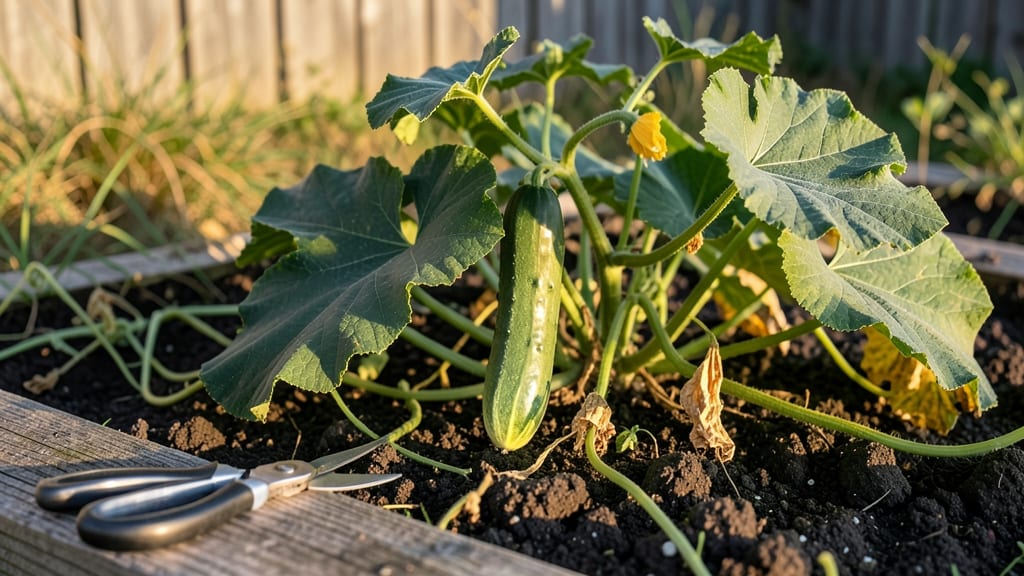
Garden cucumbers taste bitter when they’re overripe, underfed, or stressed by heat or drought—three factors you can control with simple adjustments.
Picture this: you’ve been waiting all summer for crisp, sweet 🥒 slices, only to slice into a cucumber that tastes like a mouthful of soap. That bitter flavor isn’t just annoying—it’s a red flag your plants are struggling.
Most gardeners assume bitterness is inevitable, but the truth is, it’s usually preventable. Whether it’s skipping water on hot days, leaving cucumbers on the vine too long, or missing key nutrients, the fixes are easier than you think.
In this guide, I’ll walk you through the top five causes of bitter cucumbers and the exact steps to turn your harvest back to sweet. No more wasted veggies—just flavorful, garden-fresh results.
5 Common reasons your garden cucumbers taste bitter
There's nothing worse than biting into a homegrown cucumber only to find it packed with bitter compounds instead of that crisp, refreshing flavor we all love. The good news? Bitterness in cucumbers is almost always a sign of stress or improper growing conditions—and it's usually fixable.
Understanding the root causes helps you adjust your gardening practices before your next harvest.
Cucumbers develop bitterness when their bodies produce cucurbitacins, natural compounds that act as a defense mechanism against stress. These compounds can spike when plants face environmental challenges or cultural mistakes.
Let's break down the top 5 reasons your cucumbers might be turning bitter, so you can grow sweeter, more enjoyable fruits next season.
🌱 Why Are My Garden Cucumbers Bitter?
-
1. Overwatering or Poor Drainage
Excess moisture triggers root rot and oxygen deprivation, forcing plants to produce cucurbitacins as a survival response. -
2. Heat Stress & Drought
Extreme temperatures (above 90°F) cause water loss, concentrating bitter compounds. Even 1-2 days of drought can trigger bitterness. -
3. Overmaturity & Delayed Harvesting
Cucumbers left on the vine too long convert starches to sugars, but also produce more cucurbitacins as a defense against pests. -
4. Nutrient Imbalances (Especially Nitrogen)
Too much nitrogen fertilizer promotes leafy growth but starves fruits of potassium and magnesium, leading to bitter flavors. -
5. Environmental Stress (Pests, Disease, or Wind)
Physical damage from squash bugs, powdery mildew, or strong winds signals plants to produce bitter compounds for protection.
Let's dive deeper into each of these causes. First, overwatering might seem counterintuitive since cucumbers need plenty of water, but soggy soil cuts off oxygen to roots. When roots can't breathe, they send distress signals that trigger cucurbitacin production.
I've seen this happen most often in containers where water drains poorly or in heavy clay soils that stay waterlogged after rain.
The second major culprit is heat stress. When temperatures climb above 90°F, cucumbers can't absorb water fast enough, leading to dehydration. This forces the plant to concentrate its remaining water in the fruits, but it also ramps up production of those bitter compounds as a survival tactic.
Even a single hot afternoon can start the bitterness cycle if plants aren't properly shaded or mulched.
Many gardeners unknowingly contribute to bitterness by harvesting too late. Cucumbers are best picked when 6-8 inches long with firm skin. Waiting until they reach 10+ inches or develop yellow spots means they've passed their prime.
The longer they stay on the vine, the more their natural defenses kick in, producing those unwanted bitter flavors. I've learned this lesson the hard way—skipping weekly harvests leads to a bitter harvest!
Nutrient imbalances often fly under the radar, but they're a major contributor to bitter cucumbers. Too much nitrogen creates lush foliage but starves the fruits of essential minerals like potassium and magnesium. These minerals help regulate flavor compounds.
I recommend using a balanced 10-10-10 fertilizer and supplementing with compost to avoid this issue. A simple soil test can reveal if your cucumbers are suffering from nutrient deficiencies.
Finally, physical stress from pests, diseases, or even strong winds can trigger bitterness. When cucumber plants sense damage, they ramp up production of cucurbitacins as a natural pesticide. This is why cucumbers attacked by squash vine borers or suffering from powdery mildew often taste bitter.
Implementing preventive measures like row covers or neem oil sprays can help maintain sweet flavors.
Each of these factors triggers bitterness through the plant's natural defense mechanisms. The good news? Once you identify which issues are affecting your cucumbers, you can take targeted action to reverse the problem.
In the next section, we'll explore practical solutions to restore that sweet, crisp flavor to your homegrown harvest.
How to fix bitter cucumbers with simple growing adjustments
Bitterness in your garden cucumbers often signals stress or improper care—but the good news is these issues are easily reversible. The key lies in adjusting your watering habits, harvesting schedule, and soil conditions to restore sweetness.
Let’s tackle each fix step by step, so you can enjoy crisp, flavorful cucumbers again in just a few weeks.
First, check your watering routine. Cucumbers need consistent moisture, but uneven watering triggers bitterness. If your soil dries out completely between waterings, your plants produce cucurbitacin, a natural compound that makes cucumbers taste bitter.
Aim for 1-2 inches of water weekly, delivered early in the morning to prevent fungal issues.
⚠️ callout warning
While drought stress causes bitterness, excessive moisture leads to root rot and nutrient deficiencies. Test your soil: Stick your finger 2 inches deep—if it’s soggy, reduce watering. Aim for well-draining soil with a pH of 6.0-6.8. Add compost or perlite to improve drainage if needed.
Next, adjust your harvesting frequency. Leaving cucumbers on the vine too long increases bitterness. Pick them when they’re 6-8 inches long and the skin is firm but not hard.
Use a sharp knife or pruners to avoid damaging the plant. If you’ve missed a few harvests, don’t panic—simply remove the bitter cucumbers and focus on future ones.
For heat-stressed plants, provide afternoon shade during peak summer months. Use a lightweight shade cloth (30-50%) to block intense sunlight, which accelerates bitterness. Alternatively, plant cucumbers near taller crops like corn or sunflowers to create natural shade. Mulch with straw to retain moisture and cool the roots.
Finally, amend your soil nutrition. Bitterness often stems from a lack of potassium or magnesium. Apply a balanced fertilizer (10-10-10) or a potassium-rich supplement like banana peel tea.
Work compost into the top 6 inches of soil to replenish organic matter. Avoid over-fertilizing, as excess nitrogen also contributes to bitterness.
To summarize, here’s your quick-fix checklist: ☑️ Water deeply every 2-3 days (morning only) ☑️ Harvest cucumbers at 6-8 inches for sweetness ☑️ Provide afternoon shade in extreme heat ☑️ Test soil pH and drainage (aim for 6.0-6.8) ☑️ Add compost and potassium to the soil With these adjustments, your next harvest will be crisp, sweet, and free of bitterness!