
Vegetables
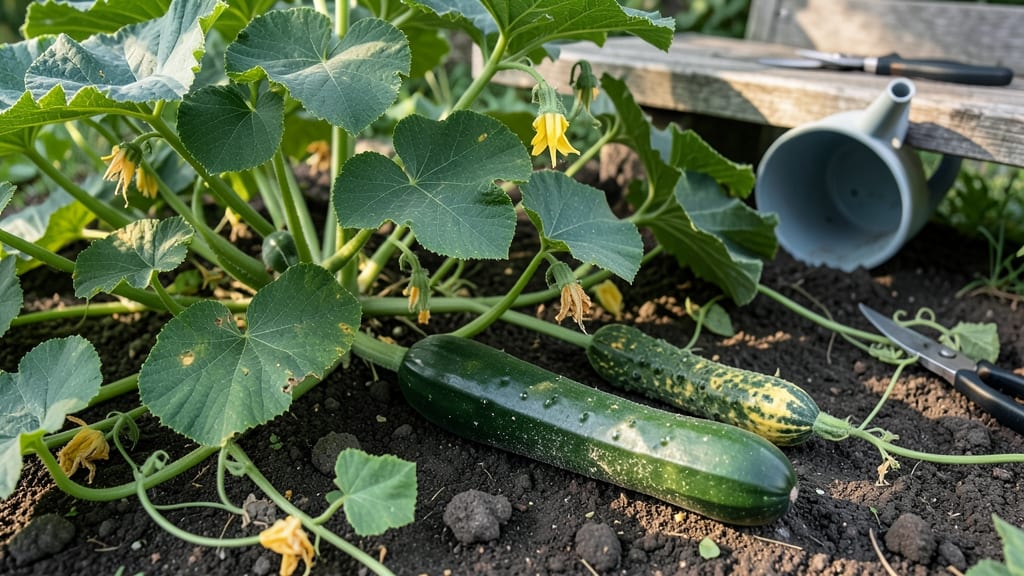
Bitter cucumbers can turn your summer harvest into a disappointment—unless you know the exact fixes. 🌱 I’ve tasted my share of those sharp, overripe cucumbers, and I’m here to tell you how to prevent it from happening again in your garden.
The culprit is usually one of four things: letting cucumbers grow too big, not giving them enough water, exposing them to extreme heat, or missing key nutrients in the soil. Each of these issues sends a signal to the plant to produce bitter compounds as a defense mechanism.
By harvesting at the right size—3-6 inches long—and keeping the soil consistently moist (but not soggy), you’ll avoid the bitter taste entirely. Shade cloth can also save your harvest during scorching afternoons, while a balanced fertilizer ensures sweet, crisp cucumbers every time.
This isn’t just about fixing the problem—it’s about setting up your garden for consistently sweet harvests from now on. Let’s get those cucumbers tasting fresh again!
Root Causes Of Bitter Cucumbers
If your cucumbers are packing a bitter punch instead of their usual crisp sweetness, the culprit is often tied to how they grow—not just what you do (or don’t do) in the garden.
Understanding the science behind bitterness helps you fix the problem before it ruins your harvest. Let’s break down the most common reasons your cucumbers are turning too flavorful.
Cucumbers are 95% water, and when they don’t get enough hydration, their bodies ramp up production of cucurbitacins—natural compounds that make them bitter. This happens when:
- Soil dries out too quickly: Sandy or poorly amended soil struggles to retain moisture, forcing plants to stress and produce bitter compounds as a defense mechanism.
- Irregular watering: Skipping water for even a few days (especially during hot weather) triggers bitterness. Cucumbers need 1–2 inches of water per week, delivered consistently at the base of the plant, not the leaves.
- Root-bound stress: If roots are crowded or struggling (e.g., in small containers), the plant diverts energy to survival mode, increasing bitterness.
💡 Pro Tip: Use drip irrigation or soaker hoses to deliver water directly to roots, and mulch with straw or grass clippings to lock in moisture.
Cucumbers are heat-sensitive, and when temperatures climb above 90°F (32°C), they ramp up bitter compound production as a stress response. Here’s why:
- Excessive sunlight: While cucumbers need 6–8 hours of sun daily, intense midday heat (especially in desert climates) can scorch leaves and trigger bitterness.
- Poor airflow: Dense foliage traps heat, creating a greenhouse effect that stresses plants. This is common in trellised cucumbers if vines grow too thick.
- Late-season heat waves: If your growing season extends into summer’s peak, cucumbers may mature faster than they should, concentrating bitter flavors.
🌡️ Fix It: Provide afternoon shade with floating row covers or plant in partial shade during extreme heat. Also, prune crowded vines to improve airflow.
Cucumbers are heavy feeders, and when soil lacks key nutrients or has the wrong pH, they compensate by producing bitter-tasting compounds. Here’s what to watch for:
| Nutrient Deficiency | How It Causes Bitterness | Solution |
|---|---|---|
| ⚠️ Nitrogen (N) | Leads to stunted growth and stressed plants, which produce cucurbitacins as a survival tactic. | Add compost or a balanced fertilizer (10-10-10) at planting. |
| ⚠️ Potassium (K) | Low potassium weakens cell structure, making cucumbers more prone to bitterness under stress. | Use wood ash or a potassium-rich fertilizer mid-season. |
| ⚠️ Magnesium (Mg) | Deficiency causes chlorosis (yellowing leaves), reducing photosynthesis and increasing bitterness. | Apply Epsom salt (magnesium sulfate) every 2–3 weeks. |
📊 pH Matters Too: Cucumbers thrive in pH 6.0–6.8. Soil that’s too acidic (below 6.0) or too alkaline (above 7.0) locks out nutrients, leading to bitter fruit. Test your soil and amend with lime (to raise pH) or sulfur (to lower pH) as needed.
Timing is everything with cucumbers. If you harvest them too late, they develop more seeds and thicker skins, which concentrate bitter compounds. Here’s the breakdown:
- Ideal harvest window: Pick cucumbers when they’re 6–8 inches long and firm but tender. Wait too long, and the bitterness kicks in.
- Seed development: As seeds mature, the cucumber’s body produces more cucurbitacin E, the compound responsible for bitterness. Overripe cucumbers can taste soapy or acrid.
- Variety matters: Some heirloom or bitter-free varieties (like ‘Straight Eight’ or ‘Lemon’) are bred to stay mild longer. Check your seed packet!
⏰ Action Step: Set a reminder to check vines every 2–3 days during peak production. If you miss a harvest, don’t let them linger—they’ll only get worse.
Now that you know the science behind bitter cucumbers, you’re armed to prevent (or fix) the problem before your next harvest. The good news? Most of these issues are easily reversible with the right adjustments. Stay tuned for our next section on quick fixes to rescue already-bitter cucumbers!
Fixing bitter cucumbers naturally
Bitter cucumbers can be a frustrating surprise, but the good news is that most causes have simple fixes—often just a tweak in how or when you grow them.
Let’s break down the solutions by cause, so you can turn those puckery plants into crisp, sweet harvests. And don’t worry, these fixes are all garden-friendly and budget-conscious!
When cucumbers get too mature or don’t drink enough, their bitterness spikes. Luckily, this is one of the easiest problems to solve.
💧 Hydrate Like a Pro
- Water deeply and consistently—aim for 1–1.5 inches per week, especially during dry spells. Drip irrigation or soaker hoses work best to keep roots evenly moist.
- Water in the morning to reduce evaporation and fungal risks. Avoid wetting leaves to prevent mildew.
- Check soil moisture by sticking your finger 1–2 inches deep. If it’s dry, it’s time to water.
🍅 Harvest at the Right Time
- Pick cucumbers young—when they’re 6–8 inches long and still firm. Bigger = bitter!
- Use a sharp knife or pruners to avoid damaging the plant. 🔪
- Try "succession planting"—sow new seeds every 2 weeks for a continuous supply of tender cucumbers.
🌡️ Cool Down the Heat
- Shade cloth (30–50%) can help if your cucumbers are struggling in scorching temps (above 90°F).
- Mulch with straw or grass clippings to keep roots cool and retain moisture.
Cucumbers are sun-lovers, but too much heat without proper care can trigger bitterness. Balance is key!
🌿 Provide Afternoon Shade
- If temps soar past 90°F, use row covers or temporary shade (like a lightweight tarp) for 2–4 hours in the afternoon.
- Plant near taller crops (like corn or sunflowers) to naturally shade cucumbers as they grow.
💡 Boost Soil Fertility
- Feed with compost or balanced fertilizer (like 10-10-10) when flowers appear. Cucumbers are heavy feeders!
- Add calcium (crushed eggshells or lime) to prevent blossom-end rot, which can stress plants and lead to bitterness.
🌱 Choose Heat-Tolerant Varieties
- Swap out sensitive types for heat-resistant cucumbers like:
- ‘Straight Eight’
- ‘Lemon Cucumber’
- ‘Armenian Cucumber’
If your soil is lacking key nutrients or is too alkaline, cucumbers can develop a bitter taste. Let’s fix that!
🌱 Test and Amend Your Soil
- Do a pH test—ideal range is 6.0–6.8. If it’s too high (alkaline), add sulfur or peat moss.
- Add organic matter: Mix in compost, worm castings, or well-rotted manure before planting.
🍽️ Feed with the Right Nutrients
- Nitrogen (for leafy growth): Use fish emulsion or blood meal.
- Potassium (for sweetness): Try wood ash or banana peels (composted).
- Avoid over-fertilizing with nitrogen—too much makes cucumbers bitter and leafy with few fruits.
💡 Try Companion Planting
- Plant basil, dill, or nasturtiums nearby—they improve flavor and deter pests.
- Avoid planting near potatoes or melons, which can compete for nutrients.
Bugs and diseases can stress cucumbers, leading to bitterness. Keep your plants healthy and happy!
🐜 Combat Common Pests
- Cucumber beetles: Handpick them (👨🍳 drop them in soapy water) or use neem oil spray.
- Aphids: Blast off with a strong spray of water or introduce ladybugs.
- Squash vine borers: Cover young plants with floating row covers until flowering.
🌡️ Prevent Fungal Diseases
- Space plants 12–24 inches apart for airflow.
- Remove yellow leaves immediately to stop mildew spread.
- Spray copper fungicide preventatively if your area is prone to powdery mildew.
💡 Rotate Crops
- Don’t plant cucumbers in the same spot yearly—this prevents soil-borne diseases.
Sometimes, bitterness hits after picking. Here’s how to fix or avoid it:
🥒 Store Cucumbers Properly
- Keep them unwashed in the fridge (crisp drawer) for up to 1 week.
- Avoid the ethylene trap—store away from apples/bananas (they speed up spoilage).
🍽️ Cook or Ferment to Reduce Bitterness
- Blanch and shock in ice water to mellow flavor.
- Pickle or ferment—the vinegar/brine process breaks down bitter compounds.
- Roast or grill—heat can soften bitterness (try slicing and tossing with olive oil and salt).
💡 Grow for Flavor, Not Size
- Harvest small, tender cucumbers—they’re naturally sweeter!
- Try ‘slicing cucumbers’ (like ‘Marketmore’) over ‘burpless’ types if bitterness is an issue.
With these fixes, your next cucumber harvest should be crisp, sweet, and free of that unwanted bite. Start with the most likely cause for your garden, and don’t forget—consistency is key. Happy growing! 🌱🥒
Frequently asked questions
Why do some cucumber varieties taste bitter while others don't?
Certain heirloom or older cucumber varieties contain more cucurbitacins, natural compounds that create bitterness. Modern hybrid varieties like 'Straight Eight' or 'Lemon' are bred to minimize these compounds. Always check your seed packet—some varieties are labeled as "burpless" or "sweet." Pro tip: If you love heirlooms, harvest them extra young (4-6 inches) to avoid bitterness.
Can I fix bitter cucumbers after they're already picked?
Yes! Try these quick fixes: Pickling (vinegar breaks down bitter compounds), blanching in boiling water for 2 minutes then shocking in ice water, or roasting with olive oil and salt at 400°F for 20 minutes. For immediate use, pair them with strong flavors like lime juice, salt, or spices to mask the bitterness.
How often should I water cucumbers to prevent bitterness?
Cucumbers need 1-2 inches of water per week, delivered consistently at the soil base—not the leaves. Check moisture by sticking your finger 1-2 inches deep—if dry, water deeply. Use drip irrigation or soaker hoses in morning to prevent fungal issues. Mulching with straw helps retain moisture and keeps roots cool.
Will Epsom salt really help with bitter cucumbers?
Epsom salt (magnesium sulfate) prevents chlorosis (yellowing leaves) that stresses plants and triggers bitterness. Mix 1 tablespoon per gallon of water and apply every 2-3 weeks during growing season. This boosts photosynthesis and improves flavor. Pair it with a balanced fertilizer (10-10-10) for best results.
Can I save a cucumber plant that's already producing bitter fruit?
Yes, but focus on harvest timing and stress reduction. Immediately start harvesting smaller cucumbers (4-6 inches) and prune crowded vines to improve airflow. Add compost tea for nutrients and check for pests. If soil pH is off (below 6.0 or above 7.0), amend with lime or sulfur. With these changes, new growth should taste better within 2-3 weeks.