
Picking
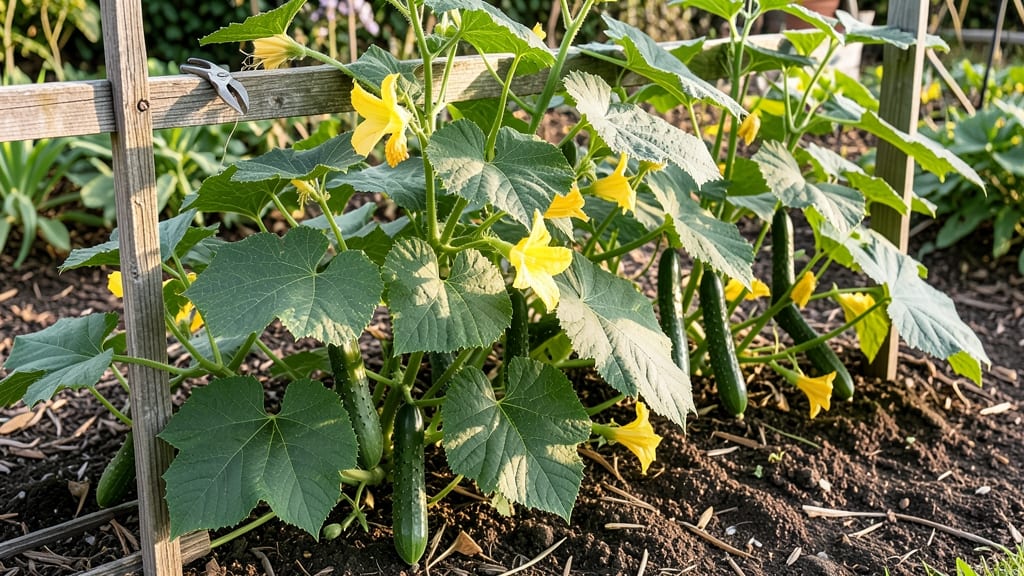
Cucumbers get their prickly spines from nature’s built-in defense system—those tiny spikes are called trichomes, and they’re actually a good thing. 🌱 Every gardener’s first cucumber harvest can be a surprise when you feel those rough bumps, but they’re normal and serve a purpose beyond texture.
Botanically, these prickles help deter pests like cucumber beetles and even reduce sunburn damage by creating shade on the plant’s surface. Some varieties, like the smooth-skinned Persian cucumbers, are bred to minimize them, but most garden cucumbers develop them naturally as they mature.
The prickles don’t hurt the plant’s ability to produce fruit—they’re just part of its survival strategy. If you’re growing cucumbers for slicing and hate the texture, opt for smooth-skinned varieties or harvest them young when the spines are softer.
Pruning isn’t necessary unless you’re dealing with overcrowded vines, which can stress the plant and make prickles more pronounced. The key is choosing the right type for your taste and growing conditions.
Prickly cucumbers aren’t a sign of disease or poor care—they’re a natural trait that doesn’t affect flavor or yield. In fact, some gardeners argue the spines make the skin tougher, reducing bruising during harvest.
Whether you love them or prefer smooth-skinned types, understanding why they develop helps you pick the best cucumbers for your garden and kitchen.
The Science Behind Cucumber Spines
Cucumbers aren’t always smooth—those tiny, prickly bumps (called trichomes) can turn a fresh snack into a textural surprise. But why do they grow this way? The answer lies in a mix of evolutionary survival strategies, plant biology, and even environmental responses.
Let’s break down the key reasons cucumbers develop rough skin, from genetics to growing conditions.
Cucumbers, like many plants, evolved prickly textures as a first line of defense against pests and predators. These tiny spines serve multiple purposes:
- Deterring Insects 🐜: The rough surface makes it harder for pests like aphids, beetles, and mites to latch on or feed.
The spines create physical barriers that irritate soft-bodied insects, discouraging them from settling in. - Reducing Herbivore Damage 🐇: Animals like rabbits or deer are less likely to nibble on prickly cucumbers.
The discomfort acts as a natural deterrent, helping the plant survive in the wild. - UV Protection ☀️: Some trichomes contain wax or reflective compounds that shield the cucumber’s delicate skin from harmful UV rays, preventing sunburn and maintaining firmness.
Pro Tip: 💡 If you’re growing cucumbers, pruning lower leaves (which can harbor pests) and using organic sprays (like neem oil) can reduce the need for excessive prickliness—though it won’t eliminate it entirely!
Not all cucumbers are equally prickly—it’s often in their DNA. Here’s how genetics play a role:
- Heirloom vs. Hybrid Varieties 🌿:
- Heirloom cucumbers (like ‘Lemon Cucumber’ or ‘Armenian Cucumber’) tend to have more pronounced spines because they’re bred for hardiness and natural pest resistance.
- Hybrid varieties (such as ‘Straight Eight’ or ‘Marketmore’) are often smoother due to selective breeding for market appeal and easier handling.
- Skin Thickness & Texture 📏:
- Thicker-skinned cucumbers (common in pickling varieties) may have fewer but sharper spines, while thinner-skinned slicing cucumbers might have softer, more numerous bumps.
Actionable Tip: ✨ If you prefer smoother cucumbers, opt for seedless hybrids (like ‘Socrates’) or Asian varieties (e.g., ‘Japanese Long Cucumber’), which are often bred for a gentler touch.
Sometimes, a cucumber’s prickliness isn’t just genetic—it’s a response to stress. Here’s how growing conditions can make skin rougher:
| Factor | Effect on Prickliness | How to Mitigate It |
|---|---|---|
| Drought Stress | 🔥 Increases spines as the plant conserves water by thickening skin. | Water deeply 1–2 inches per week and use mulch to retain moisture. |
| Excessive Heat | ☀️ Softens spines but can make skin leathery and more prone to bumps. | Provide shade cloth in peak summer or grow in partial shade. |
| Poor Soil Nutrition | 🌱 Weakens plant defenses, leading to irregular spine growth. | Use balanced fertilizer (10-10-10) and compost for healthy growth. |
| Overcrowding | 🏡 Competition for resources forces plants to grow defensive spines faster. | Space plants 12–24 inches apart and prune vines for airflow. |
Pro Tip: 🌡️ If your cucumbers are overly prickly, check for underwatering—consistent moisture leads to fewer stress-induced spines!
Sometimes, external factors trigger prickliness even after harvest. Here’s what can make cucumbers feel rougher:
- Wax Coatings 🛡️: Many commercial cucumbers are treated with a food-safe wax to improve shelf life and shine.
This coating can enhance the texture of spines, making them feel sharper. - Handling & Bruising 🍉: Rough handling (like dropping or rough cutting) can damage the skin, exposing more spines and making them more noticeable. - Storage Conditions ❄️: Storing cucumbers in humid or cold environments can cause surface condensation, making spines feel stiffer and more pronounced.
Quick Fix: 🔥 Rinse cucumbers under cool water before eating to remove excess wax, and pat dry gently to avoid activating dormant spines.
Fixing Prickly Cucumbers: Step-by-Step Solutions
If your cucumbers feel like sandpaper, don’t toss them just yet! With the right approach, you can smooth out that rough texture and even prevent it in future harvests. Below, we’ve broken down practical fixes based on the most common causes—so grab your gloves and let’s get to work.
When cucumbers dry out or mature too quickly, their skin toughens and develops prickles. Here’s how to fix it:
- 💧 Hydrate Properly Cucumbers thrive on consistent moisture. Water deeply 1–2 inches into the soil every 2–3 days during dry spells. Use drip irrigation or soaker hoses to avoid wetting the leaves (which can cause disease). Pro tip: Mulch around plants with straw or wood chips to retain moisture and keep roots cool. 💡
- 🍆 Harvest at Peak Ripeness
Prickly skin often signals overmaturity. Pick cucumbers when they’re firm, dark green, and 6–8 inches long (varies by variety). If they’ve already gone bumpy, try these tricks:
- Soak in ice water for 10–15 minutes to soften the skin slightly.
- Peel them thinly with a vegetable peeler (save the seeds for future plants!).
- ⏳ Give Them Time to Recover (If Possible) If your plants are young, increase watering immediately and monitor for 3–5 days. Sometimes, the skin softens as the plant adjusts. 🌱
Temperature swings cause cucumbers to toughen up as a defense mechanism. Here’s how to combat it:
- 🌞 Provide Shade Cloth If temps exceed 90°F (32°C), drape 30–50% shade cloth over plants to reduce stress. This also prevents sunscald, which worsens prickliness. 🌡️
- 🌊 Cool the Roots On scorching days, mist the leaves (not the fruit) with water early in the morning to lower leaf temperature. Avoid evening watering to prevent fungal issues.
- 🥶 Protect from Frost If cold snaps are the issue, cover plants with row covers or old blankets at night. Cucumbers prefer 70–85°F (21–29°C)—any lower, and they’ll toughen up. ❄️
Nutritional deficiencies or compacted soil can lead to rough, prickly skin. Fix it with these adjustments:
- 🔄 Amend Your Soil
Cucumbers love loamy, well-draining soil with a pH of 6.0–6.8. Mix in:
- Compost (1–2 inches worked into the top 6 inches of soil).
- Sand or perlite (if soil is clay-heavy).
- Balanced fertilizer (10-10-10 or 5-5-5) at planting and again when flowers appear.
- 💪 Boost Key Nutrients
Prickly skin can signal a lack of calcium or boron. Apply:
- Crushed eggshells (for calcium) around the base of plants.
- Borax solution (1 tsp per gallon of water, sprayed on leaves weekly).
- 🌱 Rotate Crops Avoid planting cucumbers (or other cucurbits like squash) in the same spot yearly. This prevents soil depletion and disease buildup, which stress plants. ✨
If pests like cucumber beetles or powdery mildew have attacked your plants, the skin may develop prickly texture as a response. Here’s how to treat it:
- 🛡️ Remove Pests Manually
- Handpick cucumber beetles and drop them in soapy water.
- Use row covers early in the season to block beetles.
- 🌿 Apply Organic Sprays
Spray plants with:
- Neem oil (1 tbsp + 1 tsp mild soap per quart of water) to deter pests.
- Baking soda spray (1 tbsp baking soda + 1 quart water + few drops of soap) for powdery mildew.
- 🔪 Prune Damaged Leaves Remove yellowed or spotted leaves to improve airflow and reduce fungal spread. 🌿
If your cucumbers are already rough, don’t let that stop you from enjoying them! Try these prep tricks:
- 🔪 Peel or Score Them Use a vegetable peeler to remove the prickly outer layer, or make shallow cuts with a knife to soften them before slicing.
- 🍳 Cook Them Down
Prickly skin softens when cooked. Try:
- Adding to soups or stews (strain if needed).
- Pickling them (the brine helps tenderize).
- Grilled or roasted cucumbers (the heat breaks down the texture).
- 🥗 Blend Into Smoothies Rough skin blends right into green smoothies or gazpacho—no one will notice! 🥤
Prevention Tip: Start with heirloom or smooth-skinned varieties like ‘Straight Eight’ or ‘Lemon Cucumber’ to minimize prickliness from the get-go. Happy gardening! 🌿
Frequently asked questions
Are prickly cucumbers safe to eat?
Those tiny spines are completely edible and harmless. The prickles are just the plant’s natural trichomes, which don’t affect taste or texture when cooked. For fresh eating, you can peel them thinly with a vegetable peeler or soak in ice water for 10 minutes to soften the skin slightly.
Do all cucumber varieties have prickles?
No—it depends on the type! Heirloom varieties like Armenian cucumbers tend to be extra prickly, while hybrid varieties (such as Persian or 'Straight Eight') are bred to have smoother skin. Even within varieties, younger cucumbers are less prickly than overripe ones.
Why are my store-bought cucumbers so much pricklier than homegrown ones?
Commercial cucumbers often have food-safe wax coatings that make spines feel sharper, plus they’re frequently grown in high-stress conditions to maximize shelf life. Homegrown cucumbers usually have softer spines because they’re harvested fresher and often grown in better soil conditions.
Can I reduce prickliness by changing how I grow cucumbers?
Yes! Consistent watering (1-2 inches per week) and balanced fertilizer help prevent stress-induced spines. If your soil is poor, amending it with compost or using shade cloth in extreme heat can also make cucumbers smoother. For the least prickly results, choose smooth-skinned varieties like 'Socrates' or 'Japanese Long'.
Do prickly cucumbers taste different than smooth ones?
Not at all—the flavor comes from the flesh, not the skin! The prickles are just texture, so both types taste identical. If you prefer smoother cucumbers for slicing, harvest them young when spines are softer, or opt for seedless varieties that naturally have fewer trichomes.