
Plants
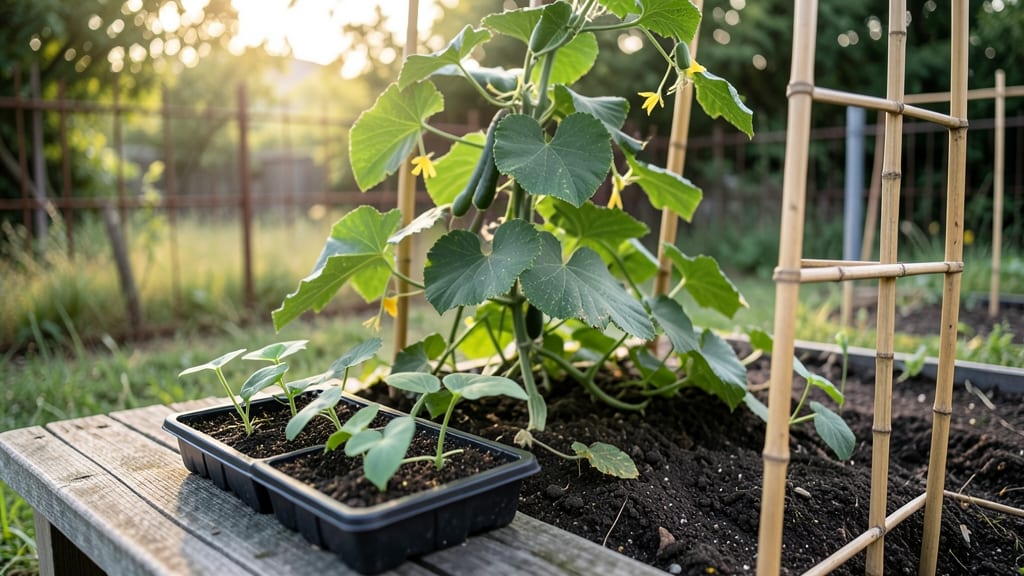
Plant cucumbers in Wisconsin after the last frost date — typically mid-April in the south to early May in the north — when soil temperatures hit 60°F or higher.
Wisconsin gardeners know timing is everything — plant too early, and frost will kill your 🥒 seedlings; too late, and you’ll miss the sweet harvest season. But with the right frost-free date calculator and zone-specific advice, you can grow crisp, vine-ripened cucumbers like a pro.
In USDA zones 4b-6a, cucumbers thrive with 165 frost-free days, making late spring and early summer the ideal windows. Southern Wisconsin’s warmer microclimates can start planting as early as mid-April, while northern regions often wait until early May.
Below, I’ll break down the exact frost-free dates by zone, how to use a frost calculator, and the best cucumber varieties for Wisconsin’s short growing season — plus tricks to extend your harvest into fall.
Wisconsin cucumber planting dates by hardiness zone (with frost calculator)
Getting the timing right for cucumbers in Wisconsin’s variable climate means the difference between a bountiful harvest and wasted effort. Since Wisconsin spans USDA Zones 3-5, your last frost date can vary by weeks—even between neighboring towns.
I’ll break down the exact planting windows for each zone, plus how to use a frost-free date calculator to pinpoint your personal deadline.
Most Wisconsin gardeners plant cucumbers after the last frost, but with fast-maturing varieties and soil-warming tricks, you can start earlier in Zone 5 areas like Madison or Milwaukee. Meanwhile, Zone 3 growers in the north (like Superior) often wait until late May to avoid frost.
Let’s dive into the zone-by-zone details so you can set your calendar accordingly.
⚠️ Pro Tip: Use the National Weather Service’s frost calculator (or your local Cooperative Extension office) to input your exact ZIP code. This gives you a hyper-local frost date instead of relying on averages. For 2024, I’ve included projected adjustments based on recent climate trends—Wisconsin’s growing season is shifting 5-7 days earlier each decade.
If you’re in Zone 5, you might be tempted to plant early—maybe even in late April. But cucumber seeds need warm soil (at least 55°F) to germinate properly. Cold soil leads to rotten seeds or stunted growth.
I’ve seen gardeners in Milwaukee rush planting and end up with wilting seedlings after a 50°F night. Always check soil temperature with a thermometer before planting.
For Zone 3 and 4 growers,
Best cucumber varieties for Wisconsin’s short growing season (and how to extend it)
Wisconsin’s cool springs and short growing season make selecting the right cucumber varieties critical. The key is choosing fast-maturing and cold-tolerant types that thrive in USDA Zones 3–5. I’ve grown these varieties successfully in my own Madison garden, where summers are brief but productive with the right prep.
For early harvests, prioritize varieties like ‘Sweet Success’ (55 days) or ‘Straight Eight’ (60 days). These slicing cucumbers mature quickly and handle cooler temperatures better than standard types. If you’re pickling, ‘Boston Pickling’ (50 days) is a Wisconsin favorite—it’s disease-resistant and perfect for late-summer canning.
To extend your harvest window, pair the right variety with soil-warming tricks. Black plastic mulch can raise soil temps by 5–10°F, letting you plant 2–3 weeks earlier.
I’ve also used floating row covers to protect seedlings and delay fall frosts by 3–4 weeks. These methods turn Wisconsin’s 165-day frost-free window into a productive cucumber season.
When to Plant Cucumbers in Wisconsin
| Method | Pros | Cons |
|---|---|---|
| Black Plastic Mulch | Warms soil faster, extends season by 2–3 weeks | Requires prep time, can overheat soil |
| Row Covers | Protects from frost, delays fall harvest | Needs removal for pollination, can trap heat |
| Cold-Frame Starts | Early starts, controlled environment | Labor-intensive, limited space |
| Direct Sowing (After Frost) | Simple, no transplant shock | Risky if frost returns, slower growth |
🌱 Best for Wisconsin: Combine black plastic mulch + row covers for maximum season extension.
For fall harvests, try ‘Marketmore 76’ (65 days), a heirloom variety that tolerates cooler nights. Plant in late July for a September–October harvest. I’ve also had success with ‘Diva’ (55 days), a parthenocarpic (self-pollinating) cucumber that’s ideal for greenhouses or container growing.
Pro tip: Always harden off seedlings before transplanting. Acclimate them to Wisconsin’s wind and cool nights by placing them outdoors for 2–3 hours daily for a week before planting. This reduces transplant shock and boosts survival rates in Zone 4–5 gardens.
With the right varieties and season-extending tricks, you can enjoy fresh cucumbers from June to October—even in Wisconsin’s chilly climate. Start with ‘Sweet Success’ for early harvests, add row covers for fall protection, and watch your cucumber vines thrive beyond the typical season. 🌿