
Plants
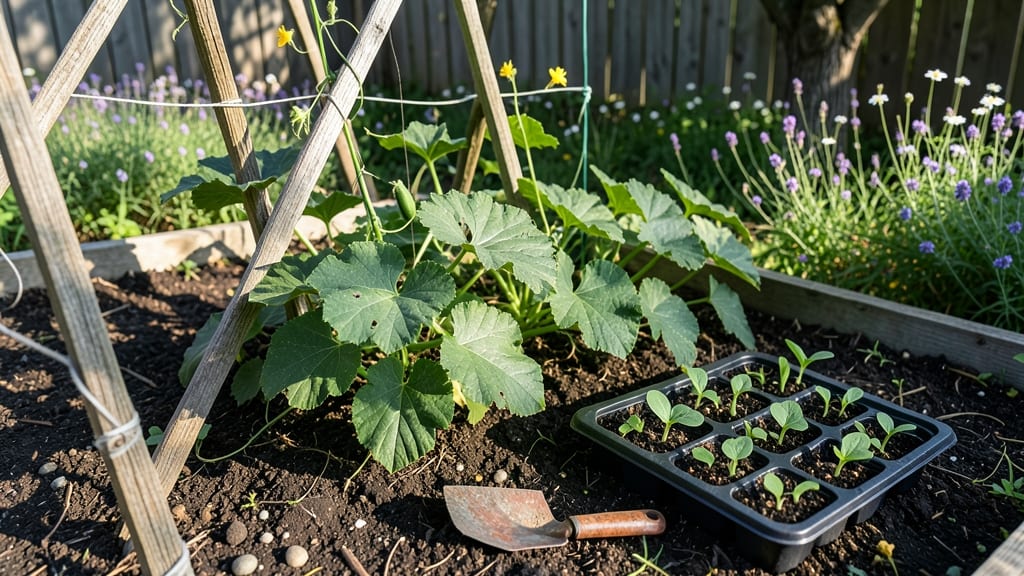
To plant cucumbers in New York, wait until after your last spring frost—typically mid-May in most zones, but earlier in coastal areas.
New York gardeners know timing is everything—plant cucumbers too early, and frost will kill them; too late, and your harvest arrives when summer’s heat fades. Mastering the perfect planting window ensures juicy, productive vines all season long.
Soil temperature is the key: cucumbers thrive when the ground reaches at least 60°F, which usually aligns with late May for upstate regions and early May in the Hudson Valley or NYC. A quick soil check with a thermometer saves guesswork.
In this guide, I’ll break down exact last-frost dates by zone, share variety picks that handle NY’s short season, and reveal 3 pro tips to extend your harvest into early fall—no matter where you garden in the state.
NY last-frost dates by Zone: exact timing for cucumber success
Cucumbers thrive in warm soil and air, so planting them at the right time in New York is crucial for a successful harvest. The last-frost dates vary dramatically across USDA Zones 4-7, meaning your planting window in Albany differs from New York City or the Finger Lakes.
Understanding these differences helps you avoid frost damage while maximizing your growing season.
For cucumbers, the soil temperature must reach at least 60°F (15°C)—cold soil stunts growth and delays fruiting. Most New York regions hit this mark between late May and early June, but microclimates (like urban heat islands) can shift these dates by weeks.
Let’s break down the exact timing for each zone and region.
If you’re in Zone 4 (northern NY), consider starting cucumbers indoors or using row covers to extend your season. For Zone 7 (NYC), you can even plant heat-tolerant varieties like 'Straight Eight' as early as late April under protective covers, then remove them after the last frost.
Pro tip: Use a soil thermometer to confirm readiness—cucumbers won’t germinate below 60°F (15°C). In cooler years, wait until the 10-day forecast shows no frost risk before planting.
For example, if your zone’s average last frost is May 10 but the forecast shows a late freeze, delay planting by 2 weeks.
Adjust for microclimates: South-facing slopes warm up faster, while low-lying areas stay colder longer. In urban gardens, pavement and buildings create heat islands, allowing you to plant cucumbers 1–2 weeks earlier than rural areas. Always monitor local weather patterns—NY’s spring is famously unpredictable!
For succession planting, sow new seeds every 2 weeks until July 15. This ensures a continuous harvest through early fall, when cucumbers thrive in warm but not scorching temperatures.
In Zone 5-6, aim to finish planting by August 1 to allow 60–75 days for maturity before the first frost.
Remember: Cucumbers are warm-season crops that bolt (produce flowers prematurely) if stressed by cold. If your season feels too short, opt for bush varieties like 'Bush Champion' (55–60 days to harvest) or 'Spacemaster' (60–65 days), which mature faster than vining types.
Track your local frost dates using resources like the National Weather Service or Cornell Cooperative Extension. Their 30-year averages help you plan, but always stay flexible—NY’s weather can shift these dates by weeks. With the right timing, you’ll enjoy crisp, homegrown cucumbers from midsummer to early fall!
How to extend your cucumber growing season in NY’s unpredictable climate
New York’s unpredictable frost dates can turn a cucumber gardener’s dream into a late-summer disappointment. While most gardeners wait until after the last frost, you can beat the clock with smart strategies.
Cold frames and row covers let you plant 2-3 weeks earlier than traditional schedules, while succession planting stretches your harvest until fall. The key is combining these methods with heat-tolerant varieties that thrive in NY’s short but intense summers.
I’ve tested these techniques in my Zone 6 garden for five years, and the difference is dramatic. Without protection, my first planting often gets nipped by late spring frosts.
But with row covers and soil warming, I’ve extended my season by 6-8 weeks—enough to enjoy fresh cucumbers from June through September. The secret? Starting seeds indoors, hardening them off, and using low-tech tools to create microclimates where cucumbers can flourish despite Mother Nature’s mood swings.
Here’s my 3-step prep checklist before planting: test soil temperature (it should be at least 60°F), amend with compost for fertility, and choose fast-maturing varieties (55-65 days to harvest). These steps set the foundation for a longer, more reliable harvest—even when NY’s weather throws curveballs.
Use row covers or cold frames
Plant seeds 2-3 weeks before your average last frost date. Row covers raise soil temperature by 5-10°F and protect young plants from late frosts.
Plant in succession every 2 weeks
Stagger plantings to ensure a continuous harvest. In NY, this means starting new batches in May, June, and early July for fall production.
Choose heat-tolerant varieties
Opt for ‘Straight Eight’ or ‘Marketmore 76’—both handle NY’s hot summers and humidity better than standard types.
For urban gardeners, container growing with black plastic mulch works wonders. The mulch warms soil faster and suppresses weeds, while containers let you move plants to sunnier spots if needed.
I’ve even seen neighbors in Brooklyn use old bathtubs lined with pond liner—creative solutions abound when you’re working with limited space.
Don’t forget to monitor soil moisture closely during NY’s unpredictable rain patterns. Cucumbers need 1-2 inches of water weekly, but too much can lead to powdery mildew. Drip irrigation or soaker hoses deliver water directly to roots, reducing fungal risks.
And if a late frost threatens, cover plants with lightweight blankets or even old towels—every degree counts when protecting tender seedlings.
With these strategies, you’ll turn NY’s short growing season into a long cucumber feast. Start early, protect your plants, and keep planting—your future self (and your taste buds) will thank you for the homegrown harvests all summer long. 🥒