
Plants
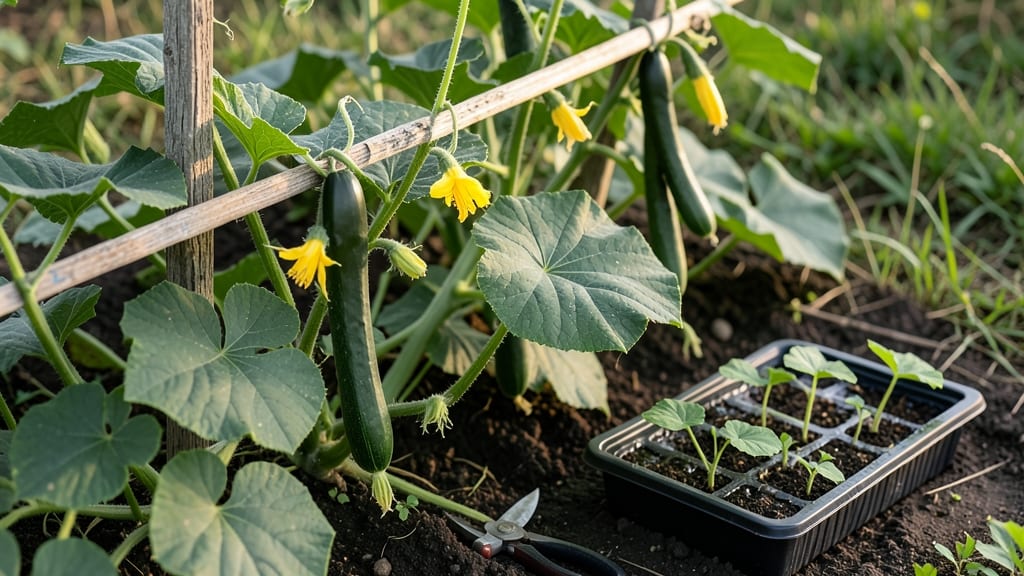
Plant cucumbers in Michigan after your last frost date — typically late April to mid-May — when soil temperatures hit 60°F or warmer for consistent germination.
Michigan gardeners know timing is everything—plant cucumbers too early, and frost will kill your seedlings; too late, and you’ll miss peak harvest season. Mastering the frost-free window for Zone 5b and 6a ensures your vines thrive from seed to salad bowl.
In Zone 5b, where Detroit and Grand Rapids sit, aim for early May; in Zone 6a, like Traverse City, you might squeeze in a late April start if soil warms fast. Black plastic mulch can shave weeks off that wait.
Below, I’ll break down exact frost-free dates by region, how to spot the perfect planting window, and three pro tips to stretch your harvest from July through September.
Michigan cucumber planting calendar: exact frost-free dates by Zone 5b & 6a
Timing your cucumber planting in Michigan is all about balancing frost-free dates with soil temperature thresholds. Cucumbers are heat-loving plants that won’t germinate well in cold soil—waiting for consistent 55°F+ soil temps is critical.
In Zone 5b (e.g., Detroit), the average last frost date is May 15, while Zone 6a (e.g., Traverse City) typically sees frost-free conditions by May 1—but these dates can shift by weeks depending on microclimates.
For direct sowing, aim to plant cucumber seeds 2–3 weeks after your last frost date when soil is warm enough. Transplants can go in slightly earlier, but they’ll need protection if nighttime temps dip below 50°F.
Using black plastic mulch can warm soil by 5–10°F, giving you an earlier start—especially useful in cooler Zone 5b areas like Grand Rapids.
| Region | Zone | Avg. Last Frost | Safe Planting Window | Soil Temp Threshold | Notes |
|---|---|---|---|---|---|
| Detroit | 5b | May 15 | May 22–June 5 | 55°F+ | Urban heat islands may push dates 3–5 days earlier. |
| Grand Rapids | 5b | May 10 | May 17–May 31 | 55°F+ | Cooler lake-effect zones may need row covers. |
| Traverse City | 6a | May 1 | May 8–May 22 | 55°F+ | Early planting possible with cold frames. |
| Southern MI (e.g., Kalamazoo) | 6a | April 25 | May 2–May 15 | 55°F+ | Longer growing season; consider late summer succession planting. |
Direct sowing cucumber seeds is the most common method in Michigan, but transplants can give you a 2-week head start. If you’re using starts, harden them off for 7–10 days before transplanting into well-drained soil with compost mixed in.
For direct sowing, plant seeds 1 inch deep and 2–3 inches apart, thinning to 12–24 inches apart as vines mature.
Pro tip: Use a soil thermometer to confirm your soil is ready—cucumber seeds won’t germinate below 55°F. If your soil is still cold, try starter pots indoors under grow lights, then transplant after last frost. This works especially well for Zone 5b gardeners who face later frost dates.
For a longer harvest window, consider succession planting: sow a second batch of seeds 3–4 weeks after your first planting. This ensures you have cucumbers ready to pick from mid-July through September.
Just be mindful that later plantings may need row covers if frost threatens in October.
Michigan’s short growing season means choosing fast-maturing varieties (like ‘Straight Eight’ or ‘Northern Pickling’) is key. These varieties typically mature in 50–55 days, giving you time to harvest before the first frost. Pair this with proper spacing and trellising to maximize yield in limited space.
Don’t forget to monitor your local Almanac frost predictions—they’re updated weekly and account for year-to-year variability. For example, in 2023, Detroit’s last frost was May 22, while Traverse City saw frost as late as May 10.
Planning for these outliers ensures your cucumbers aren’t caught off guard.
If you’re in a warmer microclimate (like near a lake or in a south-facing garden), you might push planting dates 5–7 days earlier. Conversely, cooler areas (e.g., Upper Peninsula regions) may need to wait until late May or use protective covers.
Always err on the side of caution—cucumbers won’t forgive frost!
Finally, mark your calendar for first frost dates: typically October 15–30 in Zone 5b and October 1–15 in Zone 6a. This helps you plan for late-season harvests** or decide when to pull plants before they’re damaged.
With the right timing, you’ll enjoy fresh cucumbers straight from your garden all summer long! 🥒
How to extend your Michigan cucumber growing season: cold frames, row covers & succession planting
Michigan’s short growing season doesn’t mean you have to skip cucumbers! With the right strategies, you can enjoy fresh pickles and slicing cucumbers from early summer to late fall. The key lies in cold-hardy varieties, protective gear, and smart succession planting to maximize your harvest window.
I’ve used these techniques in my own garden to push my last cucumber harvest into October!
Start by choosing cold-tolerant varieties like ‘Northern Pickling’ or ‘Sweet Success’, which can handle cooler temperatures better than traditional types. These varieties are bred to thrive in Zone 5b and 6a, making them perfect for Michigan’s climate.
Pair them with row covers or cold frames to create a microclimate that extends the season by 3–4 weeks on either end.
Don’t forget to monitor soil moisture—cucumbers need consistent watering, especially under protective covers. Use drip irrigation to keep leaves dry and reduce the risk of powdery mildew, a common issue in Michigan’s humid summers.
I’ve found that mulching around plants also helps retain moisture and keeps soil temperatures stable.
With these techniques, you can turn Michigan’s short season into a long, productive cucumber harvest. Start early with cold frames, protect young plants with row covers, and keep the cycle going with succession planting.
Before you know it, you’ll have fresh cucumbers from June to October—no greenhouse required!
🌱