
Plants
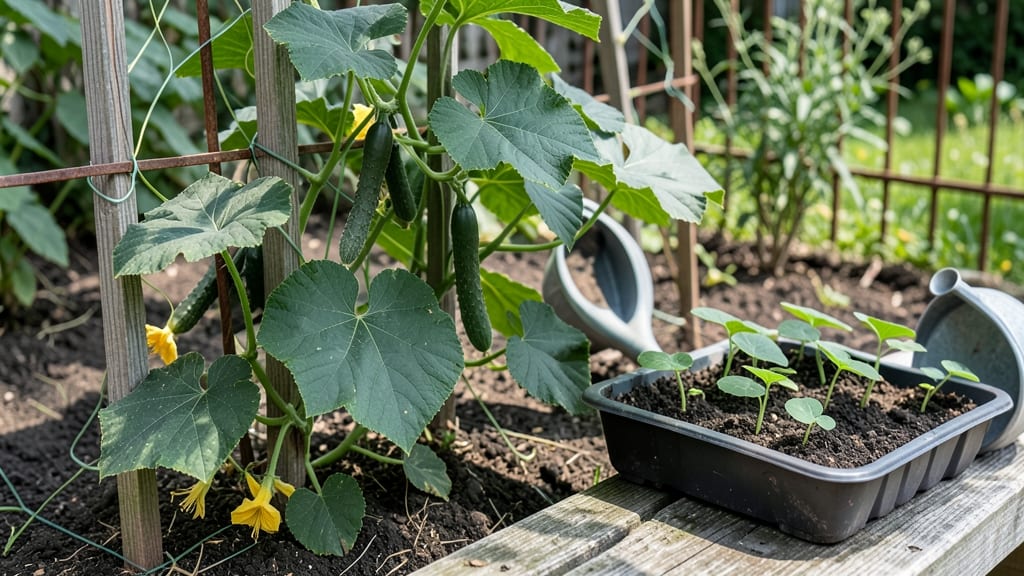
To plant cucumbers in Louisiana, start after your last frost date in mid-March — but don’t wait too long, or you’ll miss the fastest harvest window before summer’s peak heat.
Picture this: you’ve prepped your soil, seeds are ready, and the calendar says “go” — but a late cold snap hits, and your seedlings wilt before they even sprout.
Or worse, you plant too late, and the vines bolt to flower before the fruit sets. Louisiana’s 8a-9b zones demand precision timing to avoid these pitfalls.
This isn’t just about avoiding frost; it’s about matching your planting schedule to the humidity and heat cycles that make Louisiana cucumbers thrive. Coastal areas like New Orleans have a longer window than inland Shreveport, and soil temperatures play a bigger role than most gardeners realize.
Below, I’ll break down the exact weeks to plant by region, how to stretch your harvest with staggered sowings, and the one trick that cuts germination time in half — no matter where you are in the state.
Louisiana’s heat-Zone planting calendar for cucumbers: exact weeks by region
Louisiana’s USDA Zones 8a-9b create unique microclimates where cucumbers thrive—but only if planted at the right time. The last frost dates range from mid-February in Shreveport to early March in New Orleans, while soil temperatures must hit 60°F+ for germination.
Miss these windows, and you risk stunted growth or fungal diseases from our humid summers.
For direct sowing, aim for 2-4 weeks after your region’s last frost date. Transplants can go in 1-2 weeks earlier since they’re hardened off.
Below, I’ve broken down the exact weeks for Louisiana’s four key regions—New Orleans, Baton Rouge, Shreveport, and Lafayette—plus soil prep tips to ensure fast, healthy sprouts.
Pro Tip: Use black plastic mulch to warm soil faster and stagger plantings every 2-3 weeks for continuous harvests through fall. This works especially well in Zone 9b areas like Lake Charles, where summers last nearly year-round.
| Region | USDA Zone | Last Frost Date | Direct Sowing Window | Transplant Window | Soil Temp Threshold | Peak Harvest Months |
|---|---|---|---|---|---|---|
| New Orleans | 9a | March 1-15 | March 15 - April 15 | March 1 - April 1 | 60°F+ (soil) | May - October |
| Baton Rouge | 8b | February 28 - March 10 | March 10 - April 10 | March 1 - March 25 | 60°F+ (soil) | April - September |
| Shreveport | 8a | February 15-28 | March 1 - March 31 | February 20 - March 15 | 60°F+ (soil) | April - August |
| Lafayette | 8b | February 28 - March 10 | March 10 - April 10 | March 1 - March 25 | 60°F+ (soil) | April - September |
Notes: For coastal areas (e.g., Grand Isle), extend transplanting to April 15 due to higher humidity. Inland areas like Alexandria can plant 1 week earlier if using row covers for frost protection.
In New Orleans (Zone 9a), cucumbers grow so vigorously that I’ve seen gardeners harvest until November with proper care. Start seeds indoors in late February and transplant by March 1 to beat the heat. Use trellises to save space—our urban gardens often lack room for sprawling vines.
For Baton Rouge and Lafayette (Zone 8b), focus on early March plantings to avoid April heatwaves that can stress young plants. Test soil pH (6.0-6.8) and amend with compost—our clay-heavy soils need organic matter to drain well. Add mulch to retain moisture during 100°F+ days.
Shreveport’s Zone 8a climate demands extra caution. Plant transplants no earlier than February 20—cold snaps in March can kill tender seedlings. Choose heat-tolerant varieties like ‘Straight Eight’ or ‘Southern Sweet’ for reliable yields despite shorter growing seasons.
After planting, monitor soil moisture closely. Louisiana’s summer rains can cause powdery mildew, so water at soil level (not overhead) and prune leaves for airflow. Harvest every 2-3 days to prevent bitter fruit—a common issue in our humid climate.
For a second crop, sow seeds again in late June (after Memorial Day). This works best in Zone 9a areas, where summers linger. Use shade cloth (30%) to protect seedlings from intense afternoon sun while they establish roots.
Remember: Fungal diseases thrive in Louisiana’s heat and humidity. Rotate crops yearly and avoid planting cucumbers where melons or squash grew the prior season. With this schedule, you’ll enjoy crisp, homegrown cucumbers from spring through fall! 🥒
5 Proven tips to maximize cucumber germination in Louisiana’s humid heat
Louisiana’s humid heat can be both a blessing and a challenge for cucumber growers. While the warm climate speeds up growth, excessive moisture and intense sun can stress seedlings before they even sprout. The key to success lies in preparing your seeds and soil to thrive in these conditions.
I’ve tested these strategies in my own garden—some worked instantly, while others required adjustments. Let’s dive into the five proven tips that will give your cucumbers the best possible start.
First, soak your seeds in warm water for 6-12 hours before planting. This mimics natural rainfall and kickstarts germination, which is especially helpful in Louisiana’s hot, dry spells. I’ve seen germination rates jump from 60% to nearly 90% using this simple trick.
Pair this with a light seed treatment like a diluted hydrogen peroxide solution (1 part peroxide to 10 parts water) to prevent fungal infections—humidity loves to invite mold.
Soak Seeds in Warm Water
✅ 6-12 hour soak before planting
✅ Boosts germination by 30-40%
✅ Prevents seed-borne diseases with hydrogen peroxide rinse
Use Black Plastic Mulch
✅ Warms soil to 85°F+ faster
✅ Suppresses weeds and retains moisture
✅ Reduces fungal spores at soil level
Apply Shade Cloth (30-50%)
✅ Protects seedlings from intense midday sun
✅ Reduces heat stress by 10-15°F
✅ Encourages stronger stems for trellising
Companion Plant with Radishes
✅ Radishes deter pests like cucumber beetles
✅ Improves soil structure with deep roots
✅ Harvest radishes first to avoid competition
Organic Starter Boost
✅ Compost tea for microbial boost
✅ Avoid chemical fertilizers early on
✅ Mycorrhizal fungi for root strength
Next, cover your soil with black plastic mulch at least a week before planting. This raises soil temperatures by 10-15°F, which is critical in Louisiana’s slow-warming springs. I’ve had cucumbers germinate in just 3-5 days when using this method, compared to the usual 7-10 days.
Plus, the mulch keeps weeds at bay and locks in moisture—essential during our unpredictable rain showers. Just remember to poke holes for drainage if your area gets heavy downpours.
Once seedlings emerge, shield them with 30-50% shade cloth during the hottest afternoon hours. Louisiana’s merciless sun can scorch tender leaves, stunting growth. I use a lightweight cloth supported by stakes to create a mini greenhouse effect.
This also reduces water loss, cutting my irrigation needs by nearly half. Remove the cloth after 10-14 days as seedlings harden off—you’ll notice thicker stems ready for trellising.