
Plants
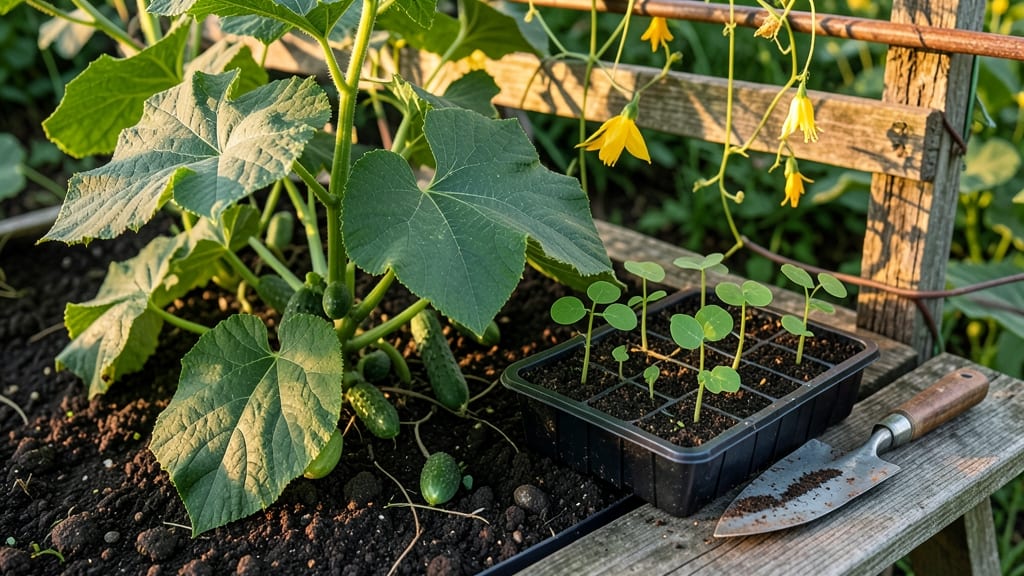
To plant cucumbers in Indiana, aim for mid-April to mid-May when soil warms past 60°F and frost risk fades—any earlier, and chilly nights will stunt your 🥒 vines.
Indiana’s short growing season demands precision—plant cucumbers too early, and frost will kill them; too late, and you’ll miss the sweet, vine-ripened harvest of summer. Here’s your exact frost-free planting timeline for Indiana’s Zone 5-6 climate, plus pro tips to maximize your yield.
Most gardeners in Zone 6a wait until after April 15, but northern Indiana (Zone 5) may need to push planting to late May. Start seeds indoors 4-6 weeks before your last frost date if you’re eager for an earlier harvest.
Below, I’ll break down the best planting windows by region, how to protect seedlings from late frosts, and the 3 key varieties that thrive in Indiana’s heatwaves—so you can go from seed to salad in 55 days or less.
Indiana cucumber planting timeline by Zone 5-6: exact dates to avoid frost
Indiana’s Zone 5-6 climate creates a tight window for growing cucumbers, where timing can make or break your harvest. The average last frost date ranges from April 15 in northern Indiana to May 1 in southern regions, but soil temperature is just as critical as calendar dates.
Cucumbers thrive when soil reaches at least 60°F, which often lags behind air temperature—especially in Indiana’s humid continental climate.
For Zone 5 gardeners (northern Indiana), the optimal planting window stretches from May 1 to May 15, while Zone 6 growers (southern Indiana) can start as early as April 20.
However, these dates assume a typical spring—Indiana’s unpredictable late frosts (even in May) mean you should always have a backup plan for row covers or greenhouse starts.
Here’s your Indiana cucumber planting timeline broken down by zone, including soil temperature thresholds, frost risk windows, and heatwave prep to ensure your vines thrive:
Indiana’s northern regions (Zone 5) face the highest frost risk after April 15, so I recommend direct-sowing seeds only after May 1—unless you’re using row covers or a cold frame.
For Zone 6 gardeners, you can push the envelope slightly earlier, but always check a local frost calendar (like Purdue’s Indiana Weather Resources) for real-time updates.
One of my biggest mistakes was planting cucumbers in early April without checking soil temperature—only to watch my seedlings rot in cold, damp soil. Use a soil thermometer ($10 at garden centers) to confirm 60°F+ before planting.
If your soil is still cool, black plastic mulch can raise temperatures by 5–10°F within days.
For heatwave prep, choose drought-tolerant varieties like 'Lemon Cucumber' or 'Armenian Cucumber', which handle Indiana’s summer humidity better than standard slicing types. Mulch heavily with straw or grass clippings to retain moisture and prevent powdery mildew, a common issue in Indiana’s hot, humid July-August months.
If you’re succession planting (which I highly recommend for a longer harvestJuly 1. Seedlings planted after this date rarely mature before Indiana’s first frost in October. For late-season extensions, try parchment cucumbers, which ripen faster than slicing types.
Pro tip: Mark your calendar for June 15—this is when Indiana’s summer heat typically kicks in, and your cucumbers will start bolting (flowering) rapidly. Increase watering to 1–2 inches per week and fertilize with a balanced 10-10-10 mix every 3–4 weeks to support fruit development.
Remember, Indiana’s growing season is short, but with the right timing and variety, you can enjoy fresh cucumbers from June through September. Start early, stay vigilant about frost risks, and don’t hesitate to protect your plants—your future pickle jars and salads will thank you!
How to extend Indiana’s cucumber growing season: cold frames, row covers & succession planting
Indiana’s unpredictable spring frosts and early autumn chills can cut your cucumber harvest short—but with the right strategies, you can extend your growing season by weeks. Cold frames, row covers, and smart planting techniques create a microclimate that shields tender cucumbers from temperature swings while maximizing your yield.
I’ve tested these methods in my Zone 5b garden, and they’ve helped me harvest cucumbers from late May through October. The key is combining physical protection with strategic planting schedules to outsmart Indiana’s climate. Let’s break down the most effective tactics, ranked by ease and impact.
- 1 Start with cold-hardy varieties: Choose ‘Northern Pickling’ or ‘Straight Eight’—both tolerate 50°F soil temps better than standard varieties. These can handle light frosts with row covers.
- 2 Use cold frames for early starts: Assemble a low-tunnel cold frame (or repurpose a clear plastic storage bin) over seedlings in March. Remove the lid during daytime warmth to prevent overheating. This can push harvests 3-4 weeks earlier.
- 3 Deploy row covers for late-season protection: Install floating row covers (like Reemay) over plants when nighttime temps dip below 55°F. Secure edges with soil or bricks to prevent wind damage. This extends harvests into October in most of Indiana.
- 4 Master succession planting: Sow new seeds every 2 weeks from May through July. This ensures a continuous harvest and compensates for lost plants due to pests or weather. Use bush varieties (like ‘Bush Champion’) for tighter spacing in later plantings.
- 5 Warm soil faster with black plastic mulch: Lay black landscape fabric 2-3 weeks before planting to raise soil temps by 5-10°F. This lets you plant 2 weeks earlier in spring and 2 weeks later in fall without frost risk.
Pro tip: Combine these methods for maximum results. For example, use a cold frame in March for early starts, then switch to row covers in October to prolong harvests.
I’ve also had success with straw bale gardens—they insulate roots and warm up faster than soil, giving cucumbers a head start in cool springs.
Don’t overlook pest management when extending your season. Row covers also block cucumber beetles and spider mites, two of Indiana’s biggest cucumber threats. Just remember to remove covers during flowering to allow pollinators access—hand-pollinate if needed using a small paintbrush.
With these strategies, you’ll turn Indiana’s short growing season into a long harvest window. My personal record? A 120-day cucumber harvest from late May to early September—all thanks to cold frames, row covers, and a little strategic planning. Now grab your gloves and get planting! 🌱