
Plants
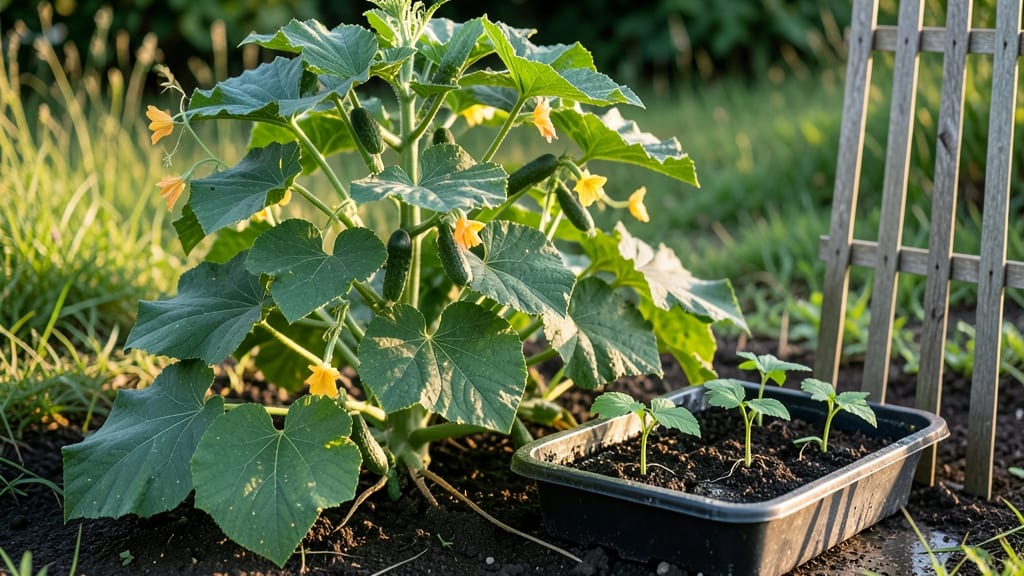
Planting cucumbers in Australia at the right time means the difference between a thriving harvest and struggling vines 🥒—and the window is narrower than you might think.
Timing your cucumber planting perfectly in Australia can mean the difference between a bumper harvest and wasted effort—especially when soil temperatures and frost risks vary dramatically across states.
Most regions—from Queensland’s tropical heat to Victoria’s cooler springs—have a 6-week window between frost-free dates and ideal soil warmth. Get it wrong, and you’ll either face stunted growth from cold soil or bolted plants in summer’s relentless sun.
Below, I break down the exact months to plant in your state, how to check soil temperature, and the one trick that extends your growing season by 4-6 weeks—even in frost-prone areas.
Best planting months for cucumbers in Australia by region
Australia's diverse climate zones mean cucumber planting times vary dramatically from tropical Queensland to temperate Victoria. Timing is everything—plant too early and frost will kill seedlings, too late and summer heat can stress plants.
The golden rule? Wait until soil temperatures reach 15-20°C (60-68°F) and all frost risk has passed.
For most Australian gardeners, spring (September-November) is the ideal window, but coastal regions like Brisbane and Perth can extend planting into early autumn. Let's break down the perfect planting months for each state to maximize your harvest potential.
📌 Key Factors: Soil warmth, frost-free dates, and summer heat tolerance all dictate when to plant. In temperate zones, aim for late spring after the last frost, while tropical areas can plant year-round with proper water management.
In Queensland's tropical climate, cucumbers thrive year-round with proper watering, but August-March offers the best balance of warmth and rainfall. Bush varieties like 'Excelsior' work well here, while vining types need trellises to handle humidity.
For NSW gardeners in Sydney, timing is critical—plant September-November after the last frost (typically mid-September). Use black plastic mulch to warm soil faster and protect seedlings from cool nights. Trellising is essential in urban gardens to save space.
Victoria's cooler climate demands patience—wait until October-November when soil temperatures consistently stay above 16°C. Melbourne gardeners often use greenhouses or row covers to extend the season, planting as early as September with protection. Cold-tolerant varieties like 'Marketmore' perform best.
South Australia's Adelaide region faces similar challenges to Victoria but with drier conditions. Plant September-October and prioritize drip irrigation to prevent stress. Windbreaks are crucial—cucumbers can be toppled by strong winds common in spring.
Western Australia's Perth climate is unique—plant August-September to avoid summer's scorching heat. Shade cloth (30-50%) helps during late spring, and trellising improves airflow, reducing powdery mildew risk. Bush types like 'Diva' work well in containers.
Pro tip: Test soil temperature with a thermometer before planting—cuc
Soil temperature and frost guidelines for cucumber success
Cucumbers are heat-loving plants that thrive when soil temperatures stay between 15-30°C. In Australia, this means waiting until spring in most regions—typically September to November—when the ground warms enough to support germination and vigorous growth.
Cold soil slows seedling development, while extreme heat can stress plants before they establish roots.
Frost is the biggest enemy of cucumbers, as even a light frost can kill young seedlings. In cooler states like Victoria and Tasmania, frost-free dates often fall in October or November, so gardeners must wait until after the last frost risk.
Use local frost-free date guides to time your planting precisely.
For optimal growth, aim for soil temperatures between 20-30°C during the day. In warmer regions like Queensland and Northern NSW, cucumbers can be planted as early as August if soil is already warm.
Use a soil thermometer to check—insert it 5cm (2 inches) deep in the morning for accurate readings.
If frost is still a concern, extend your growing season with row covers or a small greenhouse. These create a microclimate that warms soil faster and protects seedlings from late frosts.
For example, in Melbourne, covering young plants with fleece fabric can push planting back by 2-3 weeks safely.
In tropical regions like Northern Australia, cucumbers can be grown year-round, but summer heat (35°C+) may require shade cloth to prevent stress. Always choose heat-tolerant varieties like 'Straight Eight' or 'Marketmore' for these conditions.
Remember, consistent soil warmth is key—cucumbers won’t germinate well if soil dips below 15°C. Use black plastic mulch or compost piles near planting areas to raise soil temperatures naturally. With the right timing and protection, you’ll enjoy a bountiful harvest of crisp, homegrown cucumbers!