
Plants
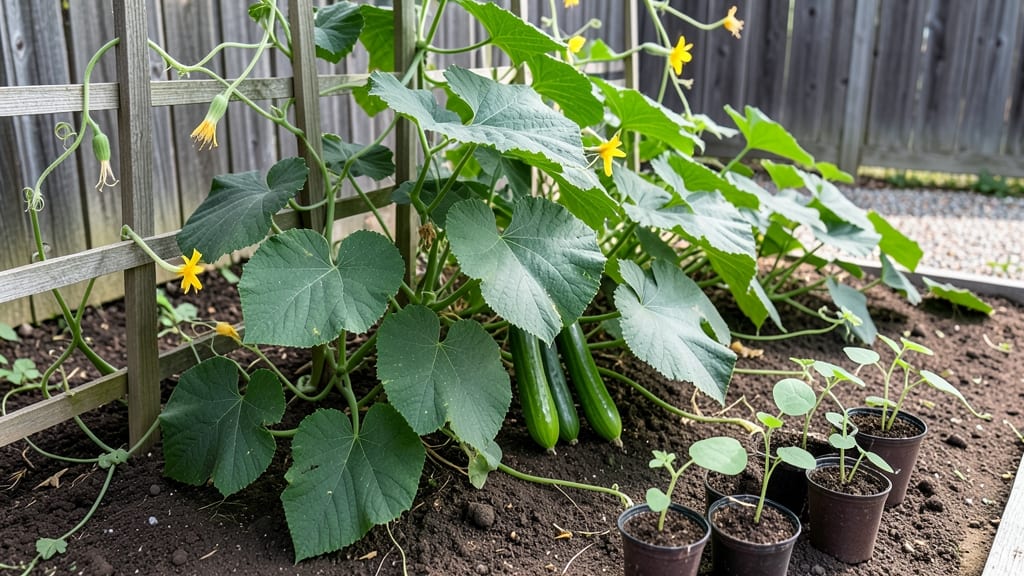
To plant cucumbers in California, timing is everything—coastal zones like 9b thrive with early March starts, while desert valleys in 10a can stretch planting to October.
California’s diverse microclimates mean planting cucumbers at the wrong time can mean the difference between a bountiful harvest and wasted effort—here’s exactly when to start for each zone.
Skip the guesswork with zone-specific frost-free dates, soil temperature tricks, and the best cucumber varieties for your region. Whether you’re in chilly San Francisco or scorching Palm Springs, this guide keeps your 🥒 vines productive all season.
Learn how to adjust planting times for early or late harvests, avoid common pests, and maximize yield with simple, science-backed tips tailored to California’s unique growing conditions.
California planting zones and ideal cucumber planting dates by month
California’s diverse microclimates create unique challenges for cucumber growers. From the coastal fog belts of San Francisco to the scorching deserts of Palm Springs, each region has distinct last frost dates and soil temperature requirements.
Cucumbers thrive in USDA zones 7-10, but timing your planting to match your local climate is key to avoiding frost damage or heat stress. Let’s break down the ideal planting windows by month for California’s four main regions.
First, understand that cucumbers need warm soil (at least 60°F/15°C) and consistent warmth to germinate and produce fruit. Coastal areas like Santa Barbara or San Diego (zone 10) can plant as early as February, while inland valleys like Sacramento (zone 9) wait until March.
Northern regions like Redding (zone 8) may need to wait until April to avoid late spring frosts.
Here’s a quick reference for soil temperature and frost-free dates across California’s regions:
| Region | USDA Zone | Last Frost Date | Soil Temp for Planting | Ideal Planting Months |
|---|---|---|---|---|
| Northern California (e.g., Redding, Chico) | 7b-8a | Mid-April | 60°F+ (15°C+) | April–May |
| Central Valley (e.g., Sacramento, Fresno) | 9a-9b | Late February–Early March | 60°F+ (15°C+) | March–April |
| Coastal (e.g., San Francisco, Santa Barbara) | 9b-10a | Mid-January | 55°F+ (13°C+) | February–March |
| Desert (e.g., Palm Springs, Coachella) | 10a-10b | December | 65°F+ (18°C+) | February–April |
For Northern California (zones 7-8), aim to plant cucumbers after April 15 to avoid late frosts. Start seeds indoors in March for a head start, then transplant 2-3 weeks later once soil temperatures stabilize. Use row covers if planting early to protect seedlings from chilly nights.
In the Central Valley (zones 9a-9b), you can plant as early as March 1, but wait until soil warms to 60°F. This region’s hot summers mean cucumbers will thrive if planted by April 30 to avoid heat stress.
Choose heat-tolerant varieties like ‘Straight Eight’ or ‘Marketmore’ for best results.
The coastal regions (zones 9b-10a) enjoy mild winters, allowing for earlier planting. Start seeds indoors in January or direct-sow in February. Coastal areas benefit from longer growing seasons, so you can also plant a fall crop in August for a late harvest.
Just be mindful of summer fog, which can increase fungal diseases like powdery mildew.
In the desert regions (zones 10a-10b), cucumbers can be planted as early as February
How to adjust planting times for early or late harvests in California’s climate
California’s microclimates create unique opportunities to extend your cucumber harvest beyond standard seasons. By using season-extending tactics, you can plant earlier in spring or later in fall—just be mindful of bolting or powdery mildew risks. The key is balancing soil warmth and temperature control to match your cucumbers’ needs.
In cooler coastal areas like San Francisco, you might start cucumbers as early as February under row covers, while inland valleys like the Central Valley can push planting to October with heat-tolerant varieties.
The trick is knowing when to intervene with protective gear or variety selection to avoid stressing your plants.
🌱 Numbered Highlights: Adjusting Planting Times for Cucumbers
- 1. Use row covers for early spring planting (Feb-Mar) in cooler zones—remove when flowers appear to allow pollination.
- 2. Plant heat-tolerant varieties like ‘Straight Eight’ or ‘Marketmore’ for late fall harvests (Sept-Oct) in hotter climates.
- 3. Cold frames extend fall harvests by 4-6 weeks in coastal areas—ideal for ‘Lemon Cucumber’ varieties.
- 4. Avoid bolting by ensuring consistent moisture and cool nights—never let soil dry out during seedling stage.
- 5. Monitor for powdery mildew in humid conditions—spray with neem oil preventatively if extending season into fall rains.
For early harvests, focus on soil warming techniques. Lay down black plastic mulch 2-3 weeks before planting to raise soil temperatures to 60°F+. Pair this with floating row covers to protect young plants from late frosts while still allowing sunlight through.
I’ve found this method works especially well in Zone 9b coastal areas where mornings can still dip into the 40s°F.
When aiming for late-season harvests, prioritize disease-resistant varieties and shade cloth to protect plants from intense afternoon sun in summer’s final weeks. In the Central Valley, I’ve had success with ‘Poona Kheera’, a heat-loving variety that thrives when others bolt.
Just be prepared to water deeply twice weekly to prevent bitter fruit.
One common mistake is over-extending the season without proper pest monitoring. Cucumber beetles and aphids thrive in warm fall weather, so I recommend yellow sticky traps near plants. Also, rotate planting locations yearly to break disease cycles—especially important if you’re pushing harvests into fall’s damp months.
With these adjustments, you can enjoy fresh cucumbers from March to November—or even later in desert regions like the Coachella Valley. The key is observation: watch your plants’ growth cues and weather patterns to fine-tune timing each year. 🌱