
How To
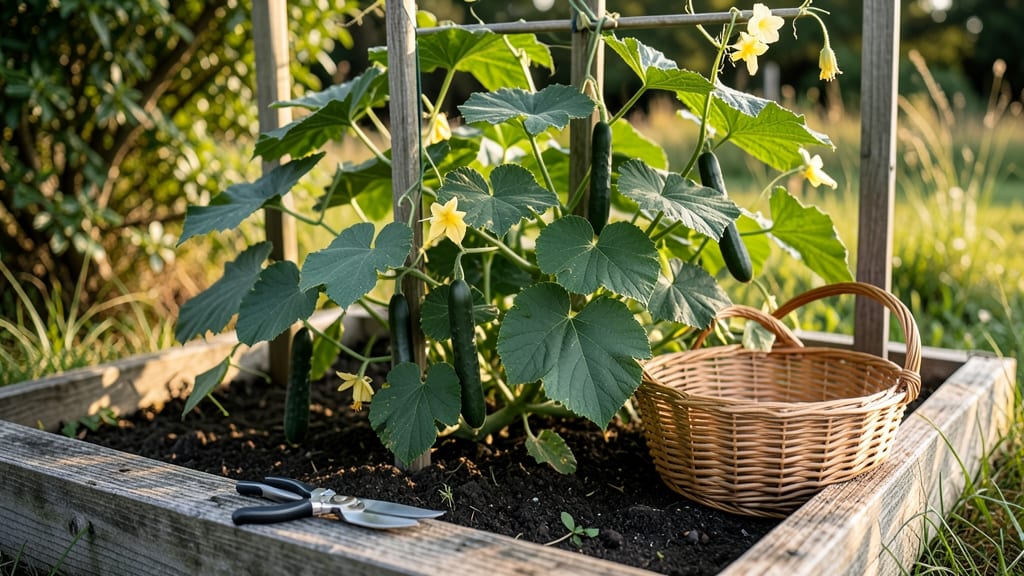
To pick burpless cucumbers at their peak, watch for 6-8 inches of firm, deep green skin that yields slightly when gently squeezed—this is the sweet spot for seedless, crisp slices.
Burpless cucumbers are a gardener’s secret weapon—crisp, seedless, and perfect for slicing—but timing your harvest wrong can turn them bitter or seedy. Knowing the exact moment to pick ensures you enjoy their full flavor and texture, every time.
Most gardeners miss the window because they wait too long, but even a day past prime can ruin that buttery crunch. The key is checking daily during peak harvest months (July-September in Zone 6a), especially when heat or humidity speeds up ripening.
Below, I’ll break down the 3 foolproof signs of perfect ripeness, how to adjust for weather, and why frequent harvesting keeps your plants producing longer. No more sad, seedy cucumbers!


3 Visual signs burpless cucumbers are perfectly ripe for picking
Burpless cucumbers are prized for their crisp texture and seedless interior, but unlike their bitter cousins, they demand precise timing. Picking too early means small, tough cucumbers, while waiting too long leads to seedy, watery fruits.
The key lies in three visual cues that signal peak ripeness—size, color, and stem readiness.
Unlike standard slicing cucumbers that can grow much larger, burpless varieties stay compact and sweet. Their ideal harvest window is narrow—just a few days—so checking daily is essential. Miss it, and you’ll end up with cucumbers that taste more like watery sponges than the crisp, buttery treats they should be.
When to Pick Burpless Cucumbers
- 1 Size: 6-8 inches long (about the length of a standard ruler). Burpless cucumbers rarely exceed this size—any larger means they’ve passed their prime.
- 2 Color: Deep, even green with no yellowing or uneven patches. The skin should look vibrant, not dull or faded—this indicates full maturity without overripeness.
- 3 Stem: The stem snaps cleanly when bent gently (not pulled). If it resists, the cucumber’s still hardening; if it detaches easily, it’s overripe. Aim for a firm but yielding snap—like a ripe avocado.
Pro Tip: Use a sharp pruner to avoid damaging the vine when harvesting.
Burpless cucumbers mature faster than traditional varieties, often reaching harvestable size in just 50-60 days. This means you’ll need to check your plants daily during peak production (usually July-August in most climates). High humidity or hot afternoons can speed up ripening, so morning checks are ideal.
One common mistake is assuming bigger equals better—the opposite is true for burpless cucumbers. Their crispness and sweetness fade quickly once they reach 8 inches. Overripe specimens develop large seeds and a spongy texture, ruining their buttery flavor.
Think of them like green apples: firm, crisp, and best enjoyed at their peak.
For trellised plants, check the underside of leaves first—this is where cucumbers often hide. Gently brush aside foliage to spot 6-8 inch cucumbers before they become obscured. A white bloom on the skin is another red flag: it signals overripeness and should be harvested immediately.
Burpless cucumbers also respond well to consistent harvesting. The more you pick, the more your plant produces—this variety is prolific when encouraged. If left unchecked, the plant will redirect energy into seed production, leaving you with fewer, larger, and less desirable fruits.
Aim to harvest 2-3 cucumbers per plant weekly during peak season.
Finally, avoid the tug-and-pull method—it can damage the vine. Instead, use clean pruners or your thumb and forefinger to twist gently at the stem’s base. This minimizes stress on the plant and keeps it healthy for continuous production throughout the season.
With these three visual cues mastered, you’ll never again struggle with bitter or seedy burpless cucumbers. The secret? Daily checks, precision harvesting, and a keen eye for deep green perfection. Your taste buds—and your garden—will thank you.
How burpless cucumber maturity affects flavor and texture (with common mistakes)
Burpless cucumbers reach peak flavor and texture at 55-60 days after planting, but their maturity window is narrow. If you pick too early, they’ll be underdeveloped and bland, while waiting too long turns them seedy, bitter, and spongy.
The key lies in understanding how heat, humidity, and plant growth stage influence ripening speed—especially in burpless varieties bred for crispness without bitterness.
In hot climates (90°F+), cucumbers mature 20-30% faster than in cooler regions, making daily checks essential. Meanwhile, high humidity can cause uneven ripening, where some fruits overripe while others stay hard.
Adjusting your harvesting frequency based on these factors ensures you always enjoy that perfect crunch and mild sweetness.
⚠️ callout warning ⚠️
Mistake: Waiting until cucumbers reach 10+ inches or develop yellow spots. Result: Soft, seedy, and bitter with 30% less crunch. Fix: Pick at 6-8 inches when skin yields to gentle thumb pressure.
Heat Tip: In 90°F+ weather, check cucumbers every 2-3 days—they ripen 2x faster than in cooler temps.
Underripe burpless cucumbers are another common pitfall. When harvested at under 6 inches, they lack the full development of flavor compounds like cucurbitacins, which contribute to their mild taste. These cucumbers also tend to be watery and less crisp, making them disappointing for slicing.
I’ve learned the hard way—skipping daily harvests in my humid summer garden led to a batch of mushy, seedy cucumbers that were barely edible.
Environmental factors play a huge role in maturity timing. High humidity (70%+) slows sugar development, while dry heat (85°F+) accelerates it. For example, in Zone 9 gardens, I adjust my picking schedule to every 48 hours during peak summer, compared to every 5-7 days in spring or fall.
This adjustment prevents overripening while maximizing yield.
Another mistake gardeners make is ignoring the stem’s condition. A ripe burpless cucumber’s stem should snap cleanly when bent—this indicates the fruit is ready. If the stem resists or the cucumber feels too hard, it’s not ready.
Conversely, if the stem pulls away easily but the cucumber is soft or yellowing, it’s past its prime. Paying attention to these physical cues saves you from harvesting at the wrong stage.
To maintain consistent quality, I’ve found that trellising burpless cucumbers helps regulate maturity. Vines grown vertically receive even airflow and sunlight, reducing the risk of uneven ripening caused by shaded or crowded fruits. Plus, trellised plants produce longer, straighter cucumbers with fewer blemishes, making them ideal for slicing.
Combine this with daily inspections during peak growing months, and you’ll always have cucumbers at their flavor and texture peak.