
How To
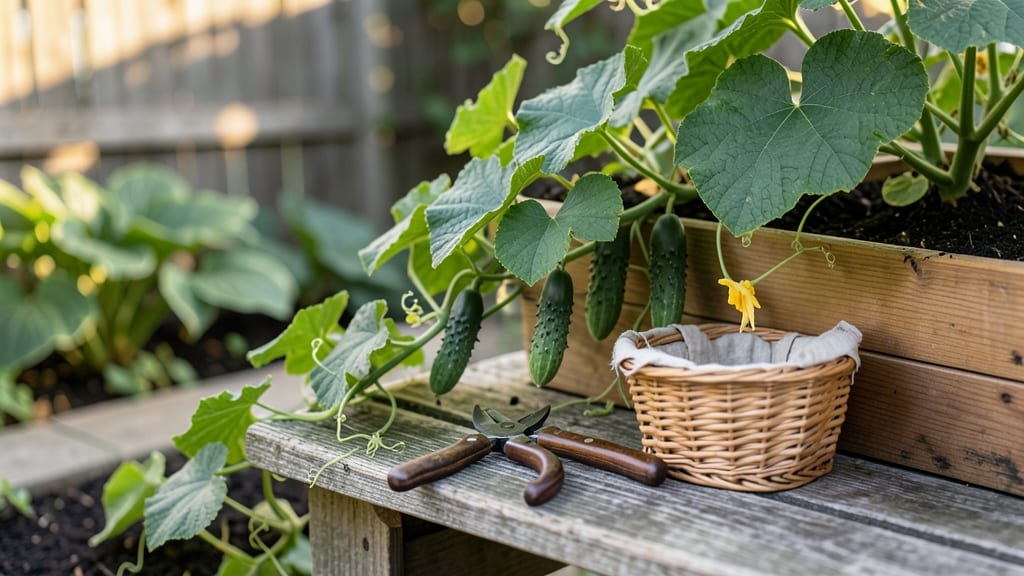
Harvesting pickling cucumbers when they’re 1–3 inches long is the secret to crunchy, seedless pickles that never turn mealy.
Picking your pickling cucumbers 🥒 at the wrong time can turn your homemade pickles into mushy, seedy disappointments—here’s how to nail the perfect harvest window for crisp, seedless results every time.
Most gardeners miss the mark by waiting too long, but size isn’t the only clue. You’ll also want to check skin firmness, seed maturity, and even the weather—because a cucumber that looks perfect can still ruin your batch if harvested under the wrong conditions.
Below, I break down the three key checks to time your harvest perfectly, plus how to store them afterward for maximum shelf life and flavor.
3 Key size checks to harvest pickling cucumbers at peak crunch
Harvesting pickling cucumbers at the right size makes all the difference between crisp, seedless gems and bitter, overgrown disappointments. The ideal window is narrow—just a few days—so knowing the exact measurements saves you from mushy pickles later.
I’ve grown pickling cucumbers for years, and these three size checks ensure perfect timing every harvest.
First, focus on length—this is your most critical clue. Pickling cucumbers should be harvested when they’re between 1 to 3 inches long. Anything shorter lacks flavor, while anything longer risks developing seeds and bitterness.
Varieties like 'Boston Pickling' or 'National Pickling' thrive in this range, delivering the crunchy texture you crave in homemade pickles.
Next, check the girth or diameter. The cucumber should feel firm but slightly yielding when gently squeezed—think of a baseball-sized grip. A mature pickling cucumber at harvest should measure about 1 to 1.5 inches in diameter.
If it’s thicker, it’s past its prime and will turn woody or seedy during pickling.
Finally, consider weight and density. A perfectly ripe pickling cucumber feels heavy for its size, indicating high moisture content. Hold one in each hand—if it’s noticeably lighter than expected, it’s underripe. Overripe cucumbers, meanwhile, feel spongy or hollow when shaken, a sure sign they’ve passed their peak.
| Check | Ideal Specification | Why It Matters |
|---|---|---|
| Length | 1–3 inches | Prevents seed development and bitterness. |
| Girth | 1–1.5 inches diameter | Ensures firm, crunchy texture for pickling. |
| Weight | Heavy for size | Indicates high moisture and peak flavor. |
| Skin Firmness | Firm but slightly yielding | Avoids woody or underdeveloped cucumbers. |
| Stem Condition | Snaps cleanly when bent | Signals optimal ripeness for harvest. |
Size isn’t the only factor—color also plays a role. The cucumber should be a vibrant, even green, not yellowing or blotchy. Uneven coloring signals uneven ripening, which can lead to patchy texture in your pickles.
I once harvested a batch with faint yellow patches, and those pickles turned out softer and less flavorful than the rest.
Harvesting at the right size isn’t just about avoiding bitter cucumbers—it’s also about encouraging more production from your plants. When you pick cucumbers early and often, the plant redirects its energy to produce more flowers and fruit instead of letting existing cucumbers overgrow.
This trick alone can double your yield over the season!
If you’re growing heirloom varieties, like 'County Fair' or 'Little Leaf,' pay extra attention to size. These can sometimes mature slightly slower, so I recommend harvesting when they reach 2 to 3 inches rather than waiting for the full 3-inch mark.
Heirlooms often have thicker skins, which can make them less ideal for pickling if left too long.
Pro tip: Use a small ruler or measuring tape while harvesting to keep track of sizes. I keep mine clipped to my gardening apron for quick checks. This simple tool helps you standardize your harvests, ensuring every batch of pickles turns out consistently crisp and delicious.
Once you’ve mastered these three size checks, you’ll never struggle with mushy or seedy pickles again. The key is consistency—harvesting at the same size every time trains your eye to spot the perfect moment. Happy harvesting, and may your pickling adventures be crunchy and seedless!
How to test cucumber ripeness beyond size (finger pressure & seed maturity)
Size isn’t everything when harvesting pickling cucumbers. Even if your cucumbers hit the 1-3 inch mark, they might not be ready for pickling. I’ve learned the hard way that overripe cucumbers turn into bitter, seedy messes in jars.
The key lies in texture and seed maturity—two often-overlooked clues that guarantee crisp, flavorful pickles.
Start with the finger pressure test, my go-to method for checking ripeness. Gently press a cucumber near its middle section. If it feels firm but slightly yielding (like a ripe avocado), it’s ready.
A cucumber that’s too hard or too soft signals it’s not at peak pickling stage. This test works even for heirloom varieties that don’t follow strict size rules.
Next, examine the seeds—they’re the secret to avoiding seedy pickles. Slice a cucumber lengthwise and check the seed cavity. If the seeds are tiny and white, harvest immediately.
Darker or larger seeds mean the cucumber has passed its prime. For pickling quality, aim for seeds no bigger than a pinhead—this ensures your pickles stay crisp and seed-free.
🚨 Harvest Too Late = Bitter Pickles!
Cucumbers left on the vine beyond 3 inches develop bitter compounds (cucurbitacins). Even if they pass the squeeze test, overripe cucumbers ruin pickling quality. Harvest daily during peak season to avoid this mistake.
Don’t ignore the skin color either. A uniform bright green hue is ideal, while yellowing or white patches signal overripeness. I once harvested a batch of cucumbers that looked perfect by size but had yellowing tips—they turned out mealy after pickling. Always prioritize color consistency over size alone.
For heirloom varieties, size can be misleading. Some, like ‘Boston Pickling’, stay small but mature faster. In these cases, rely more on the squeeze test and seed check than rigid measurements. Heirlooms often have thinner skins, so they may yield slightly more under pressure—adjust your touch accordingly.
Finally, time your harvests with the morning. Cucumbers are coolest and firmest first thing, making them easiest to test. Avoid harvesting after hot afternoons, when cucumbers soften and give false readings on the squeeze test. A consistent morning routine keeps your pickling cucumbers at their best.