
Companion Plants
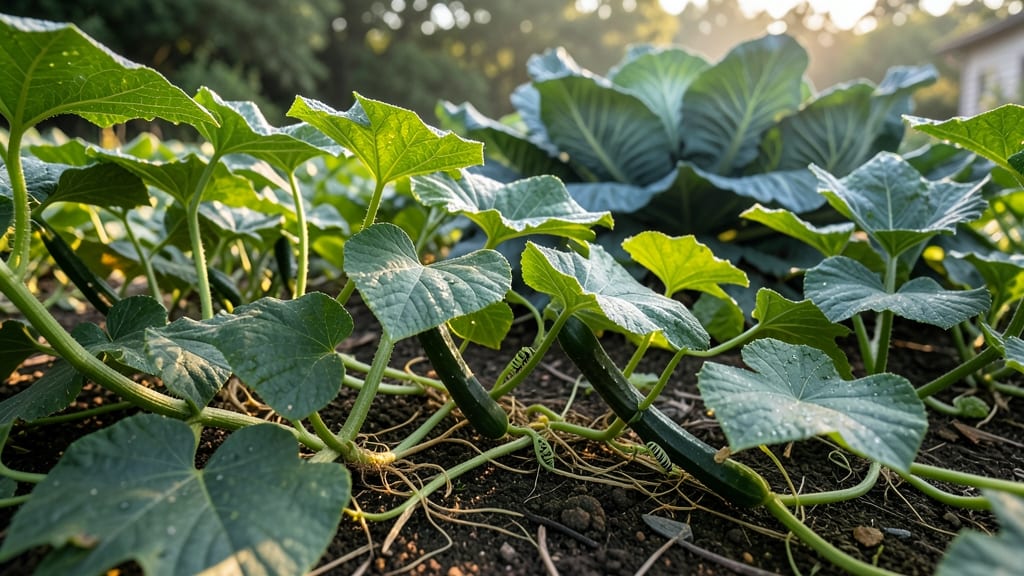
Struggling with poor cucumber yields? Certain companion plants can stunt growth, attract pests, or even kill your vines. These 10 plants should never share space with cucumbers—and knowing why will save your harvest.
Potatoes Near Cucumber Vines
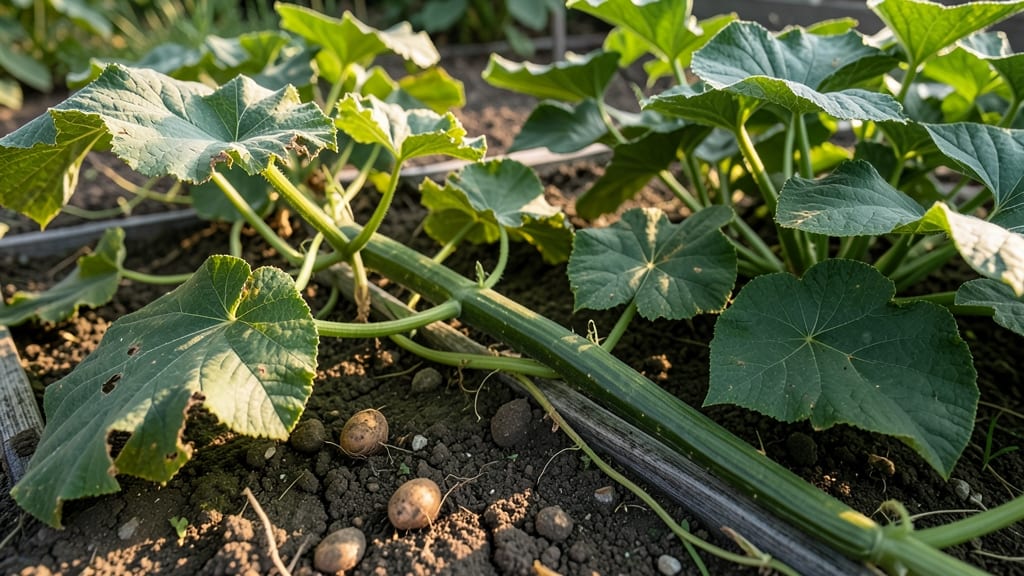
If your cucumbers are looking ragged with chewed leaves and stunted growth, potatoes might be the culprit lurking nearby. These two plants are a classic gardening no-no because they create a double whammy of competition and pests that leave cucumber vines struggling to survive.
The problem starts with nutrient competition—potatoes are heavy feeders that gobble up nitrogen, phosphorus, and potassium, leaving cucumbers malnourished. But the real damage comes from Colorado potato beetles, which flock to potato plants and then munch their way through cucumber leaves, creating jagged holes that weaken the entire vine. Once these beetles arrive, they rarely leave cucumbers alone.
This pairing is especially problematic for beginner gardeners or those with small backyard spaces, where separating plants isn't always possible. If you're growing both, plant potatoes at least 10 feet away and monitor for early signs of beetle activity to protect your cucumber harvest. 🌱
Sage Plants in Cucumber Beds
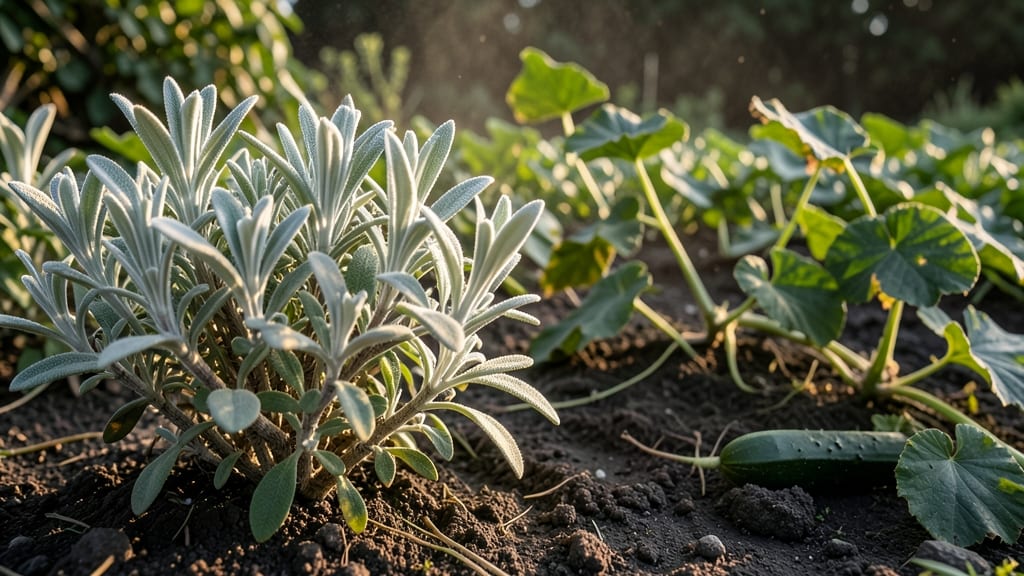
That fragrant sage bush in your garden might seem harmless, but it’s silently sabotaging your cucumber plants with invisible chemicals. Sage releases allelopathic compounds that inhibit root growth, leaving cucumbers weak and more prone to disease—often before you even notice the problem.
These chemicals suppress beneficial soil microbes, making it harder for cucumbers to absorb nutrients. Even a small sage plant nearby can stunt growth by 30-50%, while also attracting pests that target stressed vines. The solution? Keep sage at least 10 feet away or plant it in containers to prevent chemical drift.
This is especially critical for container gardeners or small-space growers, where every inch counts. Swap sage for basil or marigolds—both deter pests without harming your cucumbers. 🌱
Aromatic Herbs Like Mint
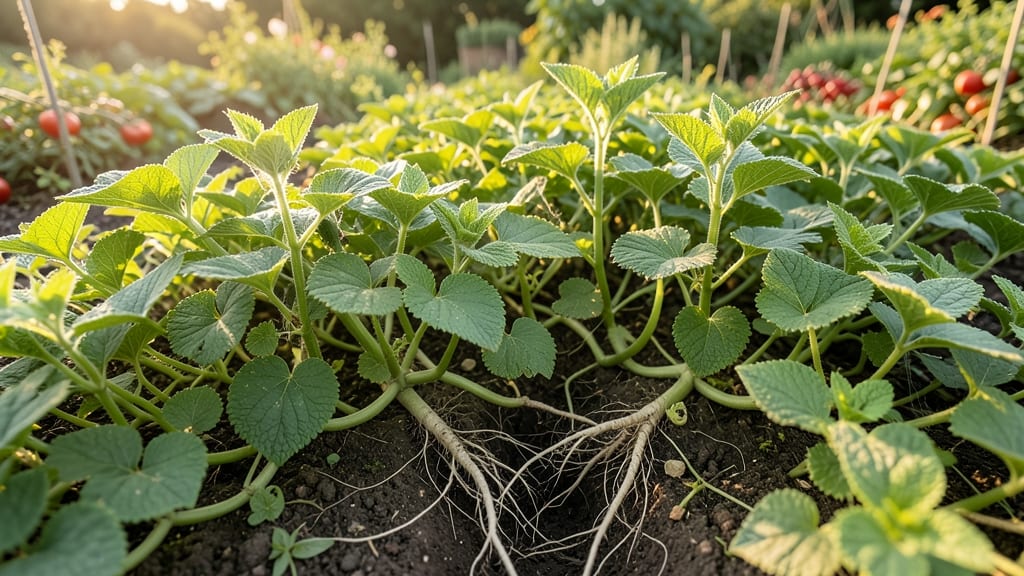
That fresh mint scent might seem harmless, but mint in your cucumber patch is a silent yield thief. This hardy herb spreads aggressively through underground runners, smothering cucumber roots and stealing nutrients before your vines even get established.
Even worse, mint attracts spider mites—tiny pests that thrive on cucumber foliage and create sticky webs that weaken plants. Once established, these mites multiply rapidly, turning your cucumbers into a buffet rather than a harvest. The result? Stunted growth, yellowing leaves, and a pest infestation that’s nearly impossible to control without chemical intervention.
Urban gardeners and container growers should take extra care—mint’s invasive nature makes it especially problematic in small spaces. If you love mint, plant it in contained pots far from your cucumbers to enjoy both without the pest party. 🌿
Fennel Roots Near Cucumber Plants
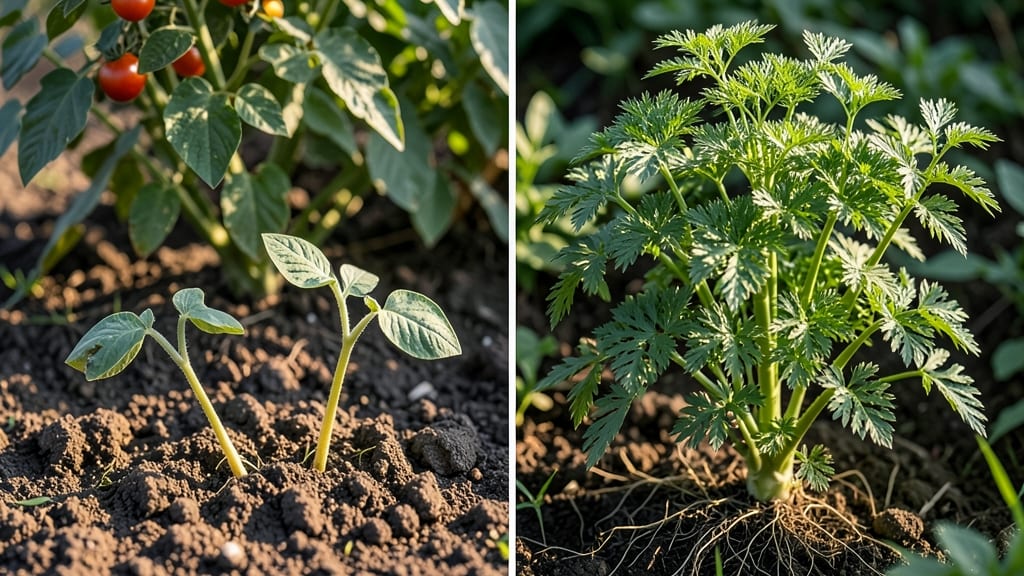
If your cucumber seeds refuse to sprout or seedlings appear weak and leggy, fennel might be the culprit lurking nearby. This fragrant herb releases natural toxins called allelochemicals that specifically target cucumber family plants (cucurbits), sabotaging their growth from the very first stage.
The toxins inhibit seed germination and stunt root development, leaving you with sparse, struggling plants that never reach their full potential. Even if you manage to coax a few seedlings to grow, they'll be more susceptible to disease and produce lower yields. The issue persists for years in the same soil, making this one of the most persistent companion planting mistakes.
Urban gardeners with limited space should avoid planting fennel in containers near cucumbers—those toxins don't respect boundaries! For those who love fennel's flavor, try growing it in a separate bed or container at least 10 feet away from your cucumbers. 🌱
Pole Beans in Cucumber Rows
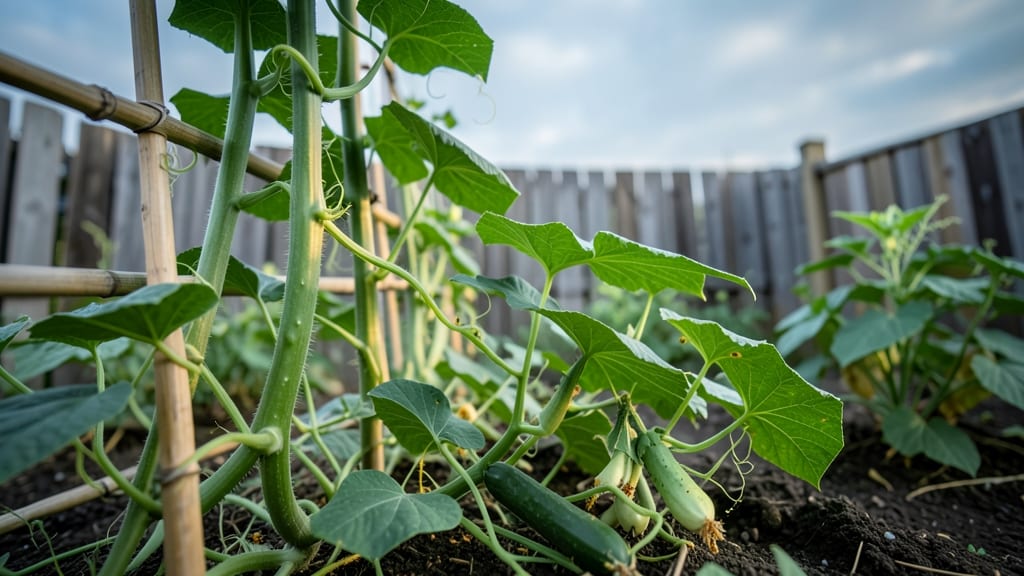
Think pole beans are a safe bet for your cucumber patch? Think again—these vining powerhouses can actually sabotage your cucumbers in two sneaky ways. While bush beans may help cucumbers by fixing nitrogen, pole beans create a double threat by competing for water and attracting cucumber beetles, which spread bacterial wilt, a fatal disease for cucurbits.
The issue starts with water competition: pole beans' deep roots and sprawling vines can steal moisture from shallow cucumber roots, especially during dry spells. Then, the striped cucumber beetles drawn to pole beans' flowers will munch on cucumber leaves, leaving behind bacterial wilt pathogens. Within weeks, your once-healthy vines may show yellowing leaves, wilting, and oozing stems—classic bacterial wilt symptoms.
This combo is particularly dangerous for container gardeners or those with limited space, where water and pest control are already challenges. If you love both plants, try growing pole beans in a separate trellis at least 10 feet away from cucumbers to break the beetle attraction cycle. 💡
Walnut Trees Overhead
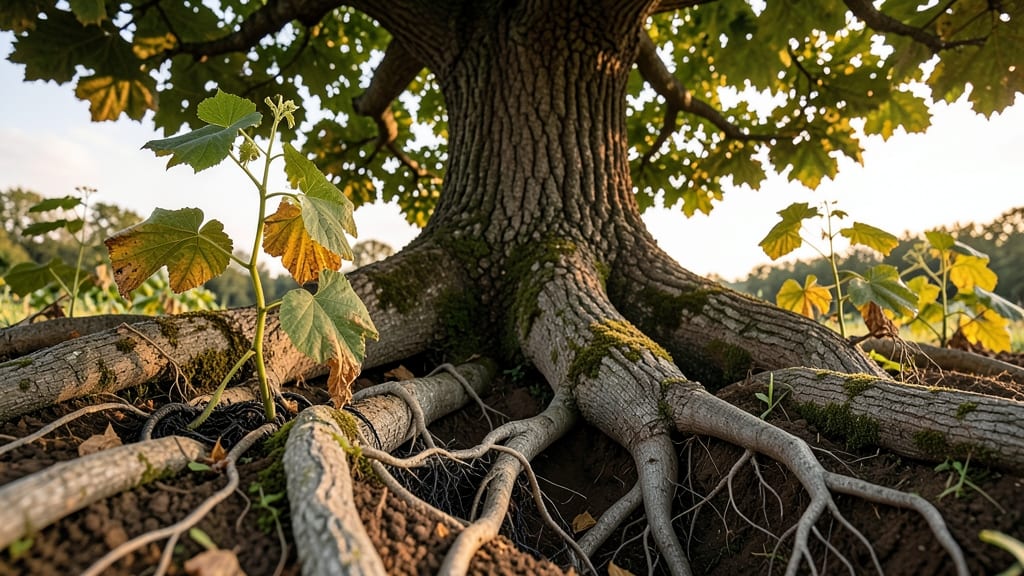
If your backyard features a walnut tree, you’ve already got a built-in no-go zone for cucumbers—no matter how much you love fresh-picked vines. The tree’s roots release juglone, a natural toxin that attacks cucumber roots on contact, causing rapid wilting and death.
This chemical warfare isn’t just about shade; even 10 feet away, juglone can linger in the soil for years, making it impossible to grow healthy cucumbers under or near the tree. The toxin targets cell membranes, cutting off water and nutrient flow before your plants even sprout. For gardeners with walnut trees, this means cucumbers are off-limits unless you’re willing to risk a failed harvest.
Urban gardeners and small-space growers should take note—this is one companion planting rule with no exceptions. If you’re craving cucumbers near a walnut, consider container gardening with fresh potting mix or a dedicated raised bed far from the tree’s drip line. 🌱
Dill Plants in Cucumber Patches
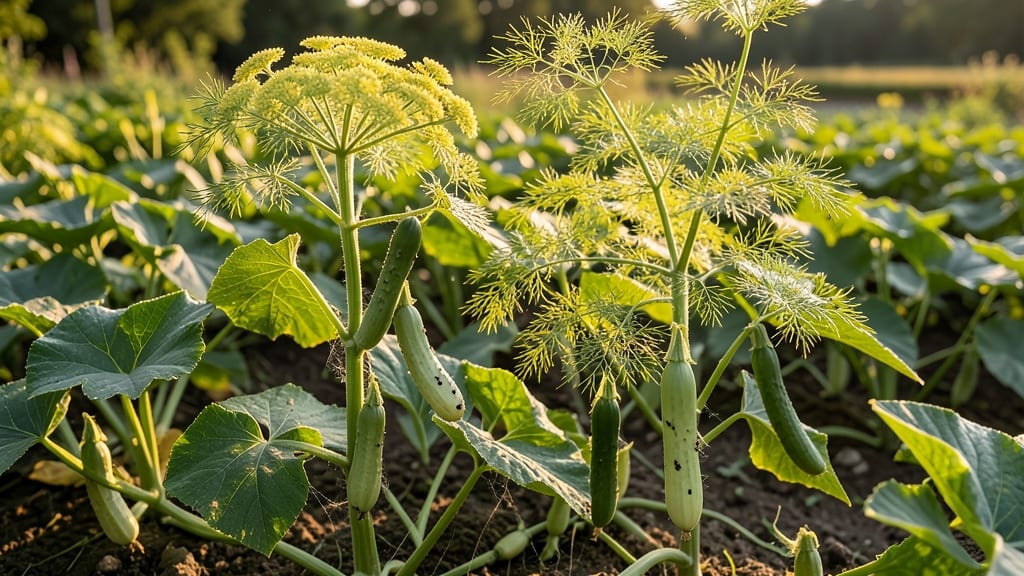
If your cucumbers are suddenly under siege by cucumber beetles and spider mites, blame the dill growing nearby. This feathery herb acts like a neon sign for pests, luring them away from your other veggies—right to your cucumber patch.
The problem starts when dill flowers bloom, releasing fragrances that attract these destructive insects in droves. Within days, your cucumber vines may show chewed leaves, yellowing foliage, or sticky webbing from spider mites. Even organic sprays struggle to keep up when pests are drawn to dill like a magnet.
Gardeners with small spaces or container setups should avoid planting dill near cucumbers entirely. If you love both, try growing dill in a separate pot or at least 10 feet away to break the pest connection. 🌻
Tomatoes in Close Proximity
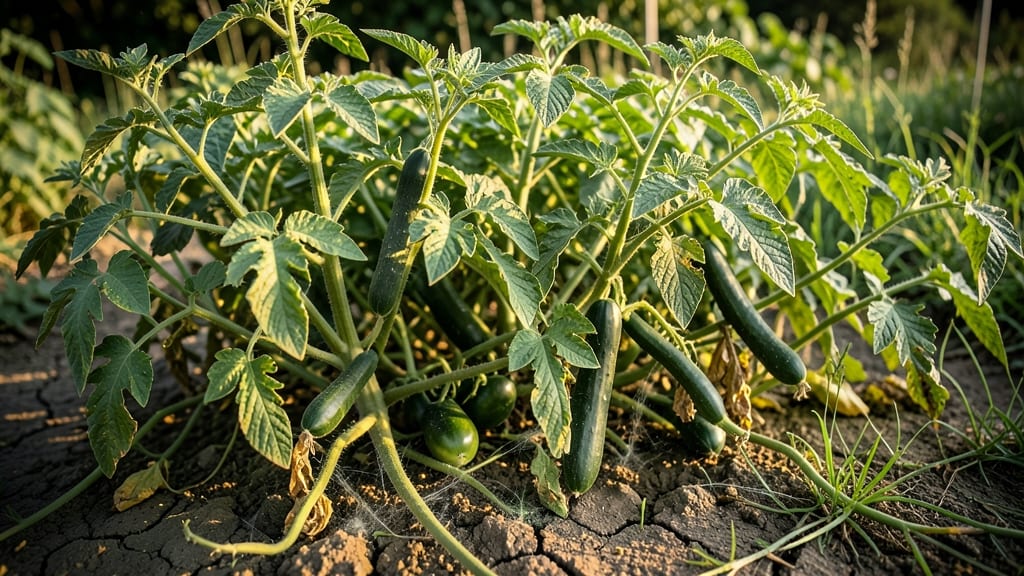
If your tomato plants and cucumbers are sharing the same garden bed, you might be unknowingly setting up a disease and pest trap. These two nightshade and cucurbit family members share fusarium wilt, a soil-borne fungus that thrives in warm conditions and can devastate both crops.
The problem isn’t just the disease—cucumber beetles and hornworms that target tomatoes also attack cucumbers, creating a double threat. When both plants are stressed by the same pests or fungal infection, they become weak, produce fewer fruits, and may even die prematurely. Even if you rotate crops, spores can linger in the soil for years.
This is especially critical for container gardeners or those with limited space, as mixing these plants can turn a small harvest into a total loss. Instead, keep tomatoes and cucumbers at least 10 feet apart or in separate growing areas to break the disease cycle. 🌱
Corn Stalks Mixed with Cucumbers

If your cucumbers are struggling but you love the look of tall corn stalks in your garden, think twice before planting them together. While corn might seem like a natural fit for vertical space, it creates a triple threat to cucumber health: nutrient competition, pest attraction, and shade stress.
Corn's deep roots and rapid growth deplete nitrogen and phosphorus—key nutrients cucumbers need for vine strength and fruit production. Meanwhile, corn stalks become a buffet for armyworms, which will happily munch cucumber leaves into skeletonized remnants. Finally, corn's towering height casts too much shade, weakening cucumber vines that rely on 6-8 hours of sunlight daily.
This combination is especially problematic for small-space gardeners or those using raised beds, where every inch of growing space matters. If you must grow both, plant corn in separate beds or use trellises to keep cucumbers elevated above corn's shade. 🌱
Brassicas Like Cabbage

If your cucumbers are mysteriously attracting cabbage worms or wilting despite regular watering, brassicas like cabbage might be the culprit lurking nearby. These leafy greens share pests with cucumbers while their deep roots compete for the same moisture your vines desperately need.
The real double trouble comes from cabbage worms, which happily munch on both brassicas and cucumber leaves. Meanwhile, cabbage's extensive root system drains soil moisture that cucumbers—especially those growing in dry climates—need to thrive. The result? Stunted vines and fewer fruits.
This pairing is especially problematic for container gardeners or those with limited space, where root competition becomes even more intense. Keep brassicas in separate beds or harvest them early to avoid this pest-and-water double whammy. 🌱