
Picking
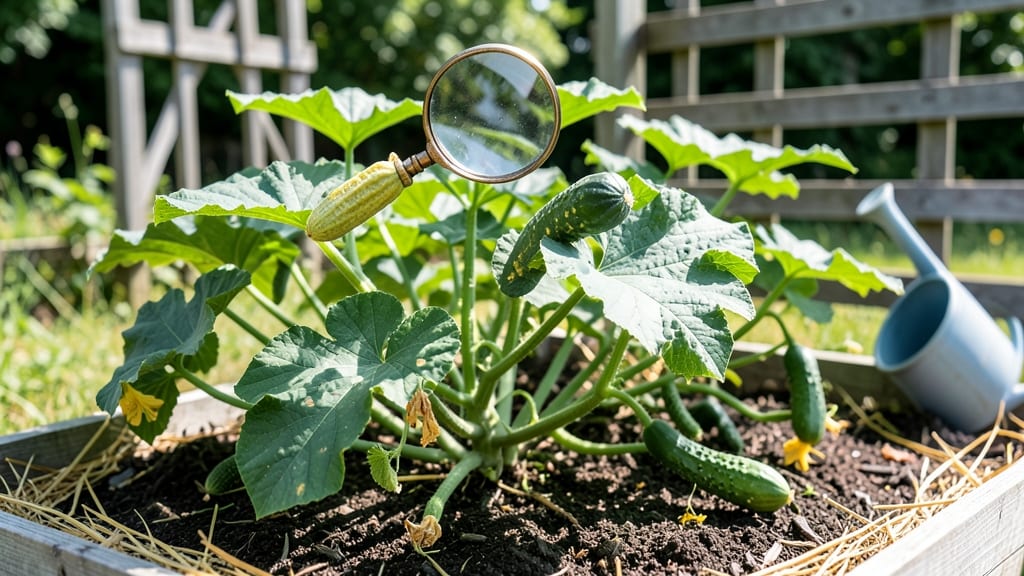
Cucumbers develop bitterness when their natural defenses kick in—think of it like their way of saying, "I'm under attack!" 🌱 The compound cucurbitacin isn't harmful, but it turns your crunchy snack into a mouthful of grass.
This happens most often in older cucumbers or when plants struggle with inconsistent watering or extreme temperatures. Seedless varieties tend to be milder because they produce less of this compound naturally. For gardeners, the fix is simple: harvest frequently, keep soil evenly moist, and choose varieties bred for sweetness.
What's interesting is that even small environmental changes can make a big difference. For example, cucumbers grown in hot, dry conditions develop more cucurbitacin as a survival mechanism. That's why I always recommend checking your plants regularly—especially during summer heatwaves—and giving them shade if they start looking stressed.
The goal is to keep them happy and productive, not fighting for their lives!
💡 In This Article
- Why Cucurbitacin Turns Cucumbers Bitter
- How to Grow Sweeter Cucumbers in Your Garden
Why cucurbitacin turns cucumbers bitter
Cucurbitacin is a natural chemical compound that acts like a built-in defense system in cucumber plants.
When cucumbers face stress—whether from extreme heat, inconsistent watering, or poor soil conditions—they produce more of this compound to deter pests and predators. 🌱 This chemical is what gives some cucumbers that unpleasant bitter taste, especially when the fruit is left on the vine too long.
The bitterness intensifies as cucurbitacin levels rise, which is why overripe cucumbers often taste harsh and grassy rather than refreshing.
The production of cucurbitacin isn't just about age—it's also tied to genetics. Some cucumber varieties, particularly heirloom or wild types, naturally contain higher levels of this compound. For example, bitter gourd (a close relative) relies on cucurbitacin for its signature bitter flavor, which is why it's used in traditional medicines.
In contrast, modern seedless varieties like 'Sweet Success' or 'Diva' have been bred to produce significantly less cucurbitacin, making them milder and more palatable. The difference is striking: a bitter heirloom cucumber might contain up to 50% more cucurbitacin than a sweet seedless variety.
Environmental factors play a huge role in triggering cucurbitacin production. Cucumbers exposed to temperatures above 90°F or sudden drought stress will ramp up their defenses, leading to bitter fruit.
Even minor fluctuations in soil moisture can cause plants to react by producing more of the compound. 💧 This is why gardeners in hot climates often struggle with bitter cucumbers unless they take extra steps to manage stress—like providing shade cloth or mulching to retain moisture.
The key is consistency: cucumbers thrive when their growing conditions remain stable, allowing them to focus on sweet, crisp growth rather than chemical defense.
What most people don't realize is that even the part of the cucumber you eat—the flesh—contains cucurbitacin, but the seeds and skin have the highest concentrations. This is why peeling a bitter cucumber can help, though it won't completely remove the compound.
The bitterness also lingers longer in older cucumbers because the compound becomes more concentrated as water content decreases. For instance, a 3-inch cucumber harvested at peak ripeness will taste far milder than a 6-inch cucumber left on the vine for weeks, even if both are from the same plant.
There's also a fascinating connection between cucurbitacin and human perception. Our taste buds detect bitterness through specific receptors, and cucurbitacin binds strongly to these receptors, making the flavor overwhelming.
Interestingly, some people are more sensitive to bitterness due to genetic variations in their taste receptors—meaning what tastes harsh to one person might be only mildly unpleasant to another. This is why feedback on cucumber bitterness can vary so widely among gardeners and consumers.
To put it simply, cucurbitacin is nature's way of protecting cucumber plants, but it's the last thing you want in your salad. The good news?
With the right growing practices, you can keep this compound in check and enjoy cucumbers that are crisp, sweet, and completely free of that grassy aftertaste. 💫