
Companion Plants
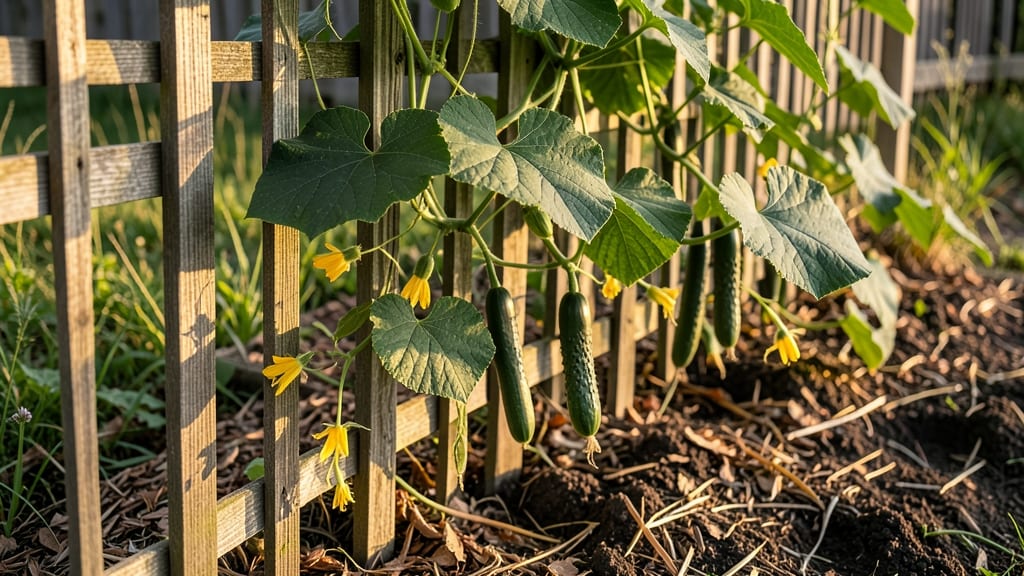
Heirloom cucumber plants bring flavor and texture store-bought varieties can’t match—crisp, sweet, and packed with character. 🌿 I’ve grown them for years, and the difference between heirloom and hybrid cucumbers is like comparing a summer breeze to a fan.
These vines produce varieties like 'Lemon Cucumber' and 'Straight Eight' that taste like sunshine, not vinegar. The secret starts with rich, well-draining soil—mix in compost before planting—and giving them 6-8 hours of direct sunlight daily.
Bush varieties stay compact, while vining types need sturdy trellises (bamboo or netting works great). Water at the base, not the leaves, to keep diseases at bay. By mid-summer, you’ll be harvesting cucumbers that burst with flavor, not bitterness. The best part?
Save seeds from your favorite plants for next year’s garden. These aren’t just cucumbers—they’re a taste of old-fashioned gardening magic. Works for small spaces (bush types) or vertical gardens (vining types). Here’s how to get started without the guesswork!
📚 In This Guide
- What you need
- Instructions
- Tips and common mistakes
- Wrapping up and next steps
What you need
- ● Heirloom cucumber seeds (choose 3–5 varieties for diversity, like Lemon Cucumber or Straight Eight)
- ● High-quality potting soil (sterilized, 10–12 cubic feet for a small garden)
- ● Containers or garden beds (5–10 gallon pots for bush varieties, or a raised bed/trellis for vines)
- ● Organic compost (1–2 gallons per plant for nutrient-rich soil)
- ● Slow-release fertilizer (balanced 10-10-10 or organic options like fish emulsion)
- ● Mulch (straw or shredded leaves to retain moisture)
- ● Garden trowel or transplanting spade (for digging and planting)
- ● Watering can or hose with a gentle nozzle (consistent moisture is key!)
- ○ Trellis or stakes (6–8 feet tall for climbing varieties, optional for bush types)
- ● Pruning shears (for trimming vines and removing yellow leaves)
- ● Gloves & sun hat (because gardening is better when you’re comfy!)
- ● Companion plants (marigolds, nasturtiums, or radishes to deter pests)
- ● Row covers (for early-season frost protection)
- ● Drip irrigation system (automates watering for busy gardeners)
- ● Seed-starting kit (if you prefer to start indoors 3–4 weeks before last frost)
Step-by-Step guide to cultivating heirloom cucumber plants
Here’s how to grow four vigorous heirloom cucumber plants—whether you’re trellising vines or letting them sprawl.
🌱 Step 1: Select and Prepare Your Varieties
Start with four heirloom seeds—pick varieties suited to your space. For vertical gardens, choose pole types like ‘Long Green’ or ‘Lemon’; for bush gardens, opt for compact varieties like ‘Patio Snacker’ or ‘Suyo Long.’ Each plant needs 12-24 inches of space, depending on the type.
Soak seeds overnight in lukewarm water to soften the outer shell and speed germination. This step cuts germination time by nearly half—you’ll see sprouts in 3-5 days instead of a week. Use a mesh bag to keep seeds contained; don’t let them float loose.
☀️ Step 2: Plant in Warm, Sunlit Soil
Wait until soil temperature reaches 60°F or warmer—cucumbers won’t germinate in cold soil. Work 1 cup of compost into the top 6 inches of soil per plant to boost fertility. Heirloom varieties thrive in rich, well-draining soil with a pH between 6.0 and 7.0.
Plant seeds 1 inch deep in hills spaced 3-4 feet apart. If growing bush types, space plants 2 feet apart; for vining varieties, give them 6 feet of row space. Water immediately after planting to settle the soil around seeds.
💧 Step 3: Water Deeply and Protect Early Growth
Keep soil consistently moist but never soggy—1 inch of water weekly is ideal. Use a drip irrigation system or water at the base of plants in the morning to prevent fungal diseases. Avoid wetting leaves, which invites powdery mildew, a common heirloom cucumber foe.
Mulch with 2 inches of straw or shredded leaves to retain moisture and suppress weeds. Once seedlings reach 4 inches tall, thin to the strongest plant per hill. Weak seedlings compete for nutrients and stunt growth.
🪴 Step 4: Train Vines and Support Growth
For pole varieties, install a trellis, cage, or sturdy fence at planting. Gently tie the main vine to the support as it grows using soft plant ties or old fabric strips. This encourages upward growth and improves air circulation, reducing disease risk.
Prune side shoots (suckers) that form in the leaf axils to focus energy on fruit production. Leave the first 3-4 main vines—beyond that, remove suckers to prevent overcrowding. Bush varieties need no pruning; just ensure they have enough space to sprawl.
✂️ Step 5: Harvest at Peak Ripeness
Harvest cucumbers when they reach full size but before they yellow or develop soft spots. For slicing types, pick when firm and 6-8 inches long; for pickling, harvest at 2-3 inches. Use pruning shears or a sharp knife to avoid damaging vines.
Pick consistently—overripe cucumbers drain plant energy and attract pests. A well-maintained heirloom plant yields 10-15 cucumbers per season. Store harvested cucumbers in the fridge for up to 1 week** to preserve freshness.
Tips & tricks for growing thriving heirloom cucumber plants
Growing heirloom cucumbers successfully comes down to these key strategies that prevent common pitfalls—and maximize your harvest.
Soil Temperature Matters: That 60°F minimum soil temperature in Step 2 is non-negotiable. Use a soil thermometer to confirm—cold soil delays germination and stresses seedlings. I’ve seen cucumbers refuse to sprout when planted too early, even if air temps look warm. If your garden runs cold, consider using black plastic mulch to warm the soil 2-3 weeks before planting. This simple trick can shave weeks off your growing season.
Watering Wisdom: The 1 inch of water weekly guideline in Step 3 works best when delivered consistently. I recommend morning watering to prevent fungal issues—wet leaves at night create the perfect environment for powdery mildew. For container growing, check soil moisture daily; pots dry out much faster than garden beds. A moisture meter helps avoid over- or under-watering, which both stress plants.
Pruning Precision: When pruning those 3-4 main vines in Step 4, focus on removing suckers that form in the leaf axils below the first 4 nodes. These side shoots drain energy from fruit production. I use clean pruning shears and make cuts at a 45-degree angle just above a leaf node to encourage healthy regrowth. For bush varieties, skip pruning entirely—let them sprawl naturally to maximize ground coverage and fruit production.
Harvesting Timing: Those 6-8 inches for slicing types in Step 5 are critical—waiting longer means tougher, seedy cucumbers. I harvest every 2-3 days during peak production to encourage continuous fruiting. For pickling varieties, I aim for 2-3 inches—smaller size means more uniform pickles. Always use clean tools to prevent disease transmission between plants.
Pro Tips for Heirloom Cucumber Plants
- Growing heirloom cucumbers successfully comes down to these key strategies that prevent common pitfalls—and maximize your harvest.
- Soil Temperature Matters: That 60°F minimum soil temperature in Step 2 is non-negotiable.
- Watering Wisdom: The 1 inch of water weekly guideline in Step 3 works best when delivered consistently.
Frequently asked questions
Got questions about growing heirloom cucumber plants? You’re not alone! Here are answers to the most common queries to help you cultivate a thriving garden—whether you’re planting on poles, trellises, or in bush formats.
How long does it take for heirloom cucumber plants to produce fruit?
Most heirloom cucumbers start flowering 4–6 weeks after planting (or 50–70 days from seed), with fruit ready to harvest 55–75 days later. Bush varieties may mature slightly faster than vining types. Warm soil and consistent watering speed up the process!
Can heirloom cucumbers grow in containers or small spaces?
Bush varieties (like ‘Bush Champion’ or ‘Spacemaster’)
thrive in containers (5+ gallons) or raised beds. Vining types need a trellis or pole but can also grow in large pots. Just ensure 6+ hours of sun daily and well-draining soil.
What pests or diseases should I watch for with heirloom cucumbers?
Common culprits include cucumber beetles, aphids, powdery mildew, and downy mildew. Prevent issues with row covers early on, neem oil sprays, and good air circulation. Remove infected leaves promptly and rotate crops yearly to avoid buildup.
When is the best time to plant heirloom cucumbers?
Wait until soil temps reach 60°F+ (spring frost danger has passed). In warm climates, plant in early spring; in cooler zones, start seeds indoors 4–6 weeks before last frost. For fall harvests, sow seeds 8–10 weeks before first frost.
What’s the difference between heirloom and hybrid cucumbers?
Heirloom cucumbers are open-pollinated, non-GMO seeds saved for generations, offering unique flavors and textures. Hybrids (like ‘Straight Eight’) are bred for disease resistance or uniform size but won’t reproduce true to type. Heirlooms often have better taste but may need more care!
Wrapping up and next steps
Growing heirloom cucumber plants is a rewarding journey that brings flavor, variety, and beauty to your garden—whether you’re trellising vines or nurturing bush varieties. These vine-strong cultivars not only thrive with the right care but also attract pollinators and boost your harvest with unique, heirloom-quality produce.
With the knowledge you’ve gained, there’s no better time to plant, tend, and savor the fruits of your labor!
Ready to take the next step? Start small—pick one heirloom variety, gather your supplies, and let your garden flourish! Share your progress with fellow gardeners or experiment with companion plants to maximize your harvest. Happy growing! 🌱🍉