
Vegetables
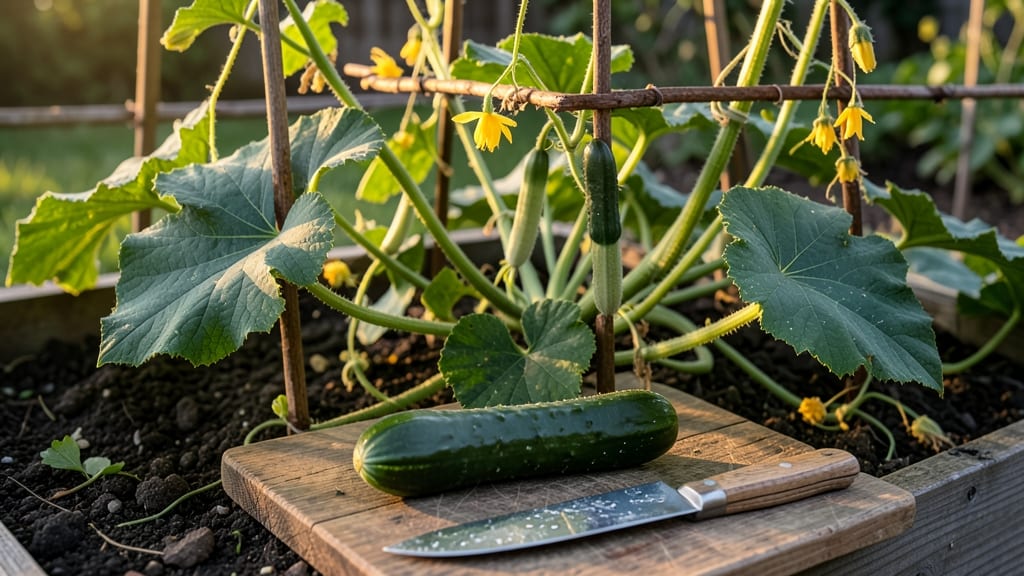
The difference between a cucumber and a pickle is all in the processing: while cucumbers stay fresh and crisp when eaten raw, pickles undergo fermentation or vinegar curing, developing a sharp, tangy flavor and firmer bite through acid exposure.
The transformation from cucumber to pickle isn't just about taste—it's a full chemical makeover. 🌱 When you ferment cucumbers in brine, lactic acid bacteria convert sugars into acids, creating that signature tang while preserving the veggie for months.
Vinegar pickles, on the other hand, get their sour kick from acetic acid, which also softens the texture just enough to make them satisfyingly crunchy. This process doesn't just change flavor; it alters the cell structure, making pickles last far longer than their fresh counterparts.
What's fascinating is how pickling preserves nutrients differently. While fresh cucumbers pack more vitamin K, the fermentation process creates probiotics that support gut health—a trade-off many people happily make for that addictive crunch.
The right cucumber variety matters too; varieties like 'Boston Pickling' are bred specifically for their thick skins and firm flesh, which hold up better during the curing process.
💡 In This Article
- How Pickling Transforms Cucumber Flavor and Texture
- Growing and Preserving Your Own Pickles at Home
How pickling transforms cucumber flavor and texture
The transformation from fresh cucumber to pickle starts with a microbial revolution. When cucumbers ferment in brine, lactic acid bacteria (LAB) like Lactobacillus consume natural sugars and produce lactic acid, lowering the pH to 3.5-4.0—this acidity is what gives pickles their signature tang.
In vinegar pickles, acetic acid (typically 5% concentration) does the same job but with a sharper bite. Both methods break down pectin in the cucumber's cell walls, softening them just enough to create that satisfying crunch while preventing mushiness.
Texture changes dramatically too. Fresh cucumbers have a water content of about 95%, with delicate cell structures that collapse when cut. Pickling shrinks these cells through osmosis—the high salt or vinegar concentration draws out moisture, leaving a firmer, more resilient vegetable.
The skin also tightens, making pickles hold their shape even after months of storage. 💫 What's surprising is how the right brine balance can actually enhance crunch: too much acid makes them rubbery, while just enough preserves that crisp snap.
Flavor-wise, the difference is chemical. Fresh cucumbers contain compounds like cucurbitacins (bitter molecules) and enzymes that create their mild, refreshing taste. During fermentation, these compounds degrade while new ones form—esters and aldehydes develop, adding complexity.
Vinegar pickles, meanwhile, gain a bright acidity from acetic acid's interaction with the cucumber's natural oils, creating that classic "pickle punch." The color shift is another clue: fresh cucumbers are vibrant green, but pickles often turn a murky yellow-green due to chlorophyll breakdown in acidic conditions.
Preservation is where the magic happens. Fresh cucumbers spoil within 5-7 days due to microbial growth, but proper pickling extends shelf life to 6-12 months in the fridge or even longer in pantries.
The acid environment inhibits harmful bacteria like Clostridium botulinum, while the salt or vinegar draws out water, creating an inhospitable environment for spoilage. This is why homemade pickles can last so long—it's not just about taste, but creating a food-safe time capsule.
Consider this comparison: a fresh cucumber slice has 16 calories and 2.5g of sugar, while a dill pickle has 10 calories and 2.5g of sugar but with added sodium (500-1,000mg per pickle) and probiotics from fermentation.
The trade-off? Pickles deliver gut-friendly bacteria that fresh cucumbers lack, making them a functional food in addition to a snack.
For the home preserver, the key is control. Temperature matters most—fermenting at 65-75°F ensures optimal bacterial activity, while vinegar pickles need 140°F boiling brine to kill unwanted microbes.
The right cucumber variety also makes a difference: 'Boston Pickling' cucumbers have thick skins that resist softening, while 'Lemon' cucumbers (thin-skinned) work better for quick-processed pickles.