
Pests and Diseases
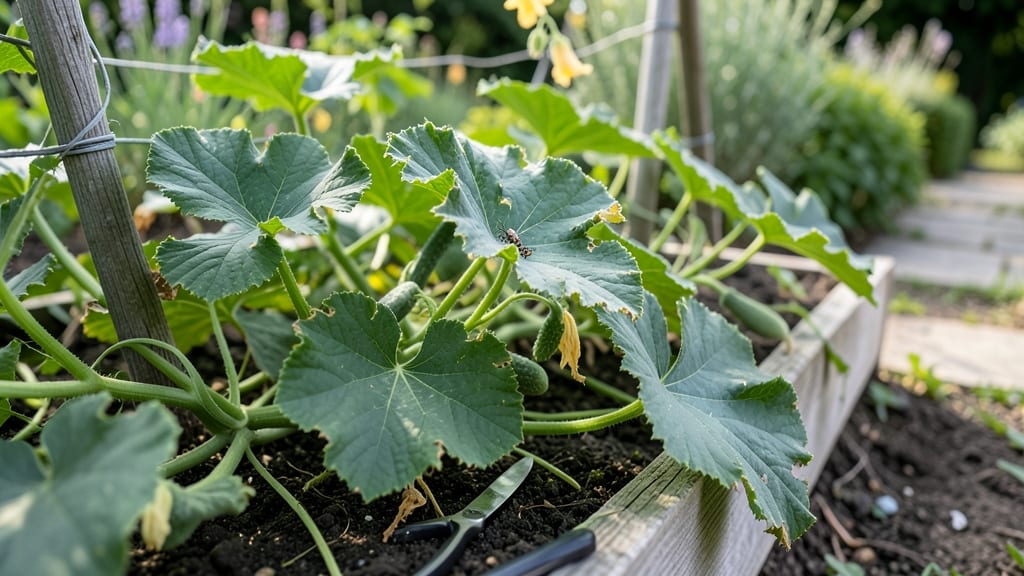
What’s eating your cucumber leaves—fast—can turn your garden from lush to lamentable in days, and I get it: those jagged edges or skeletonized foliage are enough to make any gardener panic. 🌿 The culprits are usually one of five common pests, each leaving telltale... signs that reveal their identity in seconds.
Cucumber beetles chew ragged holes, slugs leave shiny trails and ragged holes, while aphids cluster on undersides like tiny green dots. The damage isn’t just unsightly—it stunts growth and invites diseases like bacterial wilt.
I’ve battled all five, and the good news is that fast action stops the destruction before your plants throw in the towel. Start by inspecting leaves at dawn (pests hide in shadows) and look for chewed edges, slime trails, or tiny black specks—those are your clues.
Within 24 hours, you can deploy row covers, handpick pests, or spray neem oil to buy time. The real game-changer? Preventive measures like companion planting (basil repels beetles) and keeping the garden clean and mulched to deter slugs. Trust me, your cucumbers will thank you at harvest time.
For slugs, the fix is simple: set out beer traps or diatomaceous earth around the base of plants. Cucumber beetles? Yellow sticky traps work wonders, and removing them daily prevents them from spreading bacterial wilt. Aphids respond instantly to a strong spray of water or insecticidal soap—no fancy tools needed.
The key is acting before the pests win. I’ve seen gardens go from skeletonized leaves to lush vines in just a week with the right approach. The worst part? Most damage happens at night, so check your plants first thing in the morning—that’s when you’ll spot the real trouble.
Long-term, focus on healthy soil and strong plants—they bounce back faster. Rotate crops yearly, avoid overwatering (which attracts slugs), and keep an eye out for early signs of trouble. Once you recognize the patterns, you’ll catch issues before they spiral.
Here’s the truth: no garden is pest-free, but with these tricks, you’ll keep your cucumbers thriving—and your sanity intact.
Root Causes Behind Leaf Damage
When your cucumber plants start looking like a salad bar for unseen critters, it’s rarely just bad luck—there’s usually a clear reason. Understanding why these pests target your leaves helps you act faster and protect your harvest.
Below, we break down the science behind the most common culprits, from their biology to their behavior, so you can outsmart them before they feast.
Most leaf damage comes from insects with mandibles (jaws) or piercing-sucking mouthparts, designed to shred or drain nutrients. These pests don’t just nibble—they systematically weaken plants by:
- Reducing photosynthesis: Holes in leaves = less sunlight absorption = slower growth.
- Transmitting diseases: Some insects (like aphids) spread viruses as they feed.
- Attracting predators: Damaged plants draw wasps, spiders, or even larger pests.
Key players:
- Cucumber beetles (striped or spotted): These beetles chew leaves into lace-like patterns and lay eggs in soil, leading to wilting from bacterial wilt.
- Aphids: Tiny green/black bugs cluster on undersides, sucking sap and leaving sticky honeydew (which grows sooty mold).
- Cabbage loopers: Green caterpillars with saw-toothed edges that create irregular holes and roll leaves into tubes.
🔍 Pro Tip: Check for frass (insect poop) near damage—it’s a dead giveaway for chewing pests!
Not all leaf damage is obvious. Piercing-sucking pests like mites and whiteflies insert their stylets (tiny, needle-like mouthparts) into plant cells to drink sap. While they don’t leave large holes, their effects are just as damaging:
- Stunted growth: Sap loss = less chlorophyll = yellowing leaves (a condition called chlorosis).
- Webbing: Spider mites spin fine silk between veins, creating a stippled appearance.
- Secondary infections: Honeydew from whiteflies feeds sooty mold fungi, blocking light.
Key players:
| Pest | Damage Signs | Behavior |
|---|---|---|
| Spider mites | Tiny yellow dots, webbing on undersides | Thrive in dry, hot conditions; multiply exponentially in 7–10 days. |
| Whiteflies | Sticky residue, yellowing leaves, clouds of tiny white bugs when disturbed | Swarm undersides of leaves; lay eggs in colonies. |
💡 Science Note: These pests prefer stressed plants—overwatering, poor soil, or drought makes cucumbers tastier targets.
While insects get the blame, pathogens often hitchhike on their bodies or thrive in damaged tissue. Once established, they:
- Clog stomata: Fungal spores block leaf pores, suffocating the plant.
- Disrupt water flow: Bacterial infections (like Erwinia tracheiphila) plug xylem vessels, causing sudden wilting.
- Spread rapidly: High humidity + warm temps = perfect fungal growth (e.g., downy mildew).
Key triggers:
- Cucumber beetles inject bacterial wilt into stems.
- Overhead watering splashes spores onto leaves, causing powdery mildew (white, dusty patches).
- Poor air circulation in dense plantings traps moisture, inviting anthracnose (dark, sunken lesions).
🌡️ Critical Factor: Fungi double in size every 4–6 hours in ideal conditions—act within 24 hours of spotting symptoms!
Not all leaf loss comes from tiny pests. Larger creatures like rabbits, deer, or birds may be the real culprits, especially in:
- Early spring: Young cucumber leaves are tender and high in nitrogen—a buffet for herbivores.
- Edge-of-garden spots: Deer and rabbits avoid dense foliage but strip exposed plants.
- Bird perches: Sparrows and starlings peck holes in leaves to expose grubs (their real meal).
🔪 Telltale Signs:
- Large, jagged edges (not clean cuts = teeth marks).
- No frass or webbing—just missing chunks.
- Damage happens overnight or in specific patches.
🦌 Why It Happens: Cucumbers are non-toxic and nutrient-rich—perfect for wildlife. Plus, their vines sprawl low, making them easy snacks.
Fixing Cucumber Leaf Damage Fast
If your cucumber plants are looking like a buffet for hungry pests, don’t panic—there’s a solution for every culprit! Below, we break down practical fixes for each common pest, plus prevention tips to keep your cucumbers thriving. Act quickly, and your plants will bounce back in no time.
These striped or spotted beetles are voracious leaf chewers and can also spread disease. Here’s how to kick them to the curb:
- 🔥 Handpick in the morning: Cucumber beetles are sluggish when cool. Shake them off leaves into soapy water (1 tbsp dish soap per gallon of water). Pro tip: Wear gloves—some gardeners find them annoyingly persistent!
- 🍳 Use row covers: Cover young plants with floating row fabric (lightweight, breathable material) to block adults from laying eggs. Remove when flowers appear to allow pollination.
- 👨🍳 Plant trap crops: Surround cucumbers with radishes, nasturtiums, or marigolds—beetles prefer these over cucumbers. Plant them 1–2 feet away and check traps daily.
- 🔪 Neem oil or insecticidal soap: Spray leaves every 5–7 days (or after rain). Mix 2 tsp neem oil + 1 tsp dish soap per quart of water. Warning: Avoid spraying in direct sun to prevent leaf burn.
- ⏰ Prevent future infestations:
- Rotate crops annually—don’t plant cucumbers, squash, or melons in the same spot.
- Clean up garden debris in fall to remove overwintering beetles.
- Interplant with basil or dill—their strong scents repel beetles.
Tiny but mighty, spider mites skeletonize leaves and thrive in dry, dusty conditions. Fight back with these steps:
- 💦 Blast off with water: Spider mites hate humidity. Spray plants thoroughly every 2–3 days with a strong stream to knock them off. Use a hose nozzle or watering can with a fine rose attachment.
- 🌡️ Increase humidity: Place a shallow tray of water near plants or use a mist system. Aim for 50–70% humidity—mites despise it.
- 🎯 Apply horticultural oil: Mix 2 tbsp horticultural oil per gallon of water and spray every 5–7 days. This smothers mites and their eggs. Best time: Early morning or late evening.
- 💡 Introduce predator mites: Release phytoseiulus persimilis (a beneficial mite) to hunt spider mites. Available online or at garden centers.
- ✨ Prevent recurrence:
- Avoid over-fertilizing with nitrogen—it stresses plants and attracts mites.
- Prune yellowing leaves to reduce mite hiding spots.
- Use yellow sticky traps to monitor and catch mites early.
These nocturnal munchers leave large, slime-covered holes and can devour entire leaves overnight. Stop them with these tactics:
- 🏰 Create physical barriers:
- Wrap the base of plants with copper tape (slugs avoid the electric-like charge).
- Use crushed eggshells or diatomaceous earth around the plant base (reapply after rain).
- 🍎 Set beer traps: Bury a shallow container (like a yogurt cup) filled with beer or yeast water near plants. Slugs crawl in and drown. Bonus: Replace every 3–4 days.
- 🌙 Handpick at night: Use a flashlight after dark to spot and relocate slugs to a bucket of soapy water.
- 💡 Prevent future attacks:
- Water plants in the morning (slugs are active at night and need moisture).
- Remove hiding spots like mulch piles or boards near cucumbers.
- Plant garlic or chives around the garden—they repel slugs naturally.
Aphids cluster on undersides of leaves, sucking sap and leaving sticky residue. Here’s how to evict them:
- 💦 Blast them off: Spray leaves with a strong jet of water to dislodge aphids. Repeat every 2–3 days.
- 🍳 Insecticidal soap: Mix 2 tbsp castile soap + 1 quart water and spray directly on aphids. Reapply after rain.
- 👨🍳 Introduce ladybugs or lacewings: These natural predators love aphids. Purchase from garden centers or attract them with dill or fennel.
- 💡 Prevent reinfestation:
- Remove heavily infested leaves immediately.
- Avoid over-fertilizing—aphids thrive on tender, nitrogen-rich growth.
- Plant rosemary or thyme nearby—their scent deters aphids.
An ounce of prevention is worth a pound of cure! Use these year-round strategies to keep your cucumbers pest-free:
- 🌿 Rotate crops: Avoid planting cucumbers, squash, or melons in the same spot every year to break pest life cycles.
- 🌡️ Maintain garden hygiene:
- Remove dead leaves and debris regularly.
- Clean tools with rubbing alcohol to prevent spreading pests.
- 💡 Use companion planting:
Cucumber Plant Near Why It Works Basil Repels cucumber beetles and improves flavor Marigolds Deters beetles and attracts beneficial insects Frequently asked questions
1Why do cucumber leaves get eaten faster at night?
Most nocturnal pests like slugs and cutworms are most active after dark when humidity is high and temperatures drop. These creatures hide during the day, so you’ll rarely spot them until nightfall. Check your plants first thing in the morning for slime trails (slugs) or chewed edges (cutworms) to confirm.
2Can I use coffee grounds to protect my cucumber plants?
Yes! Coffee grounds create a natural barrier that deters slugs and snails while adding nutrients to the soil. Sprinkle a 1-inch layer around the base of plants, but avoid piling directly against stems to prevent mold. Reapply after rain—it works best when fresh.
3How do I tell if my cucumber leaves are being eaten by insects vs. wildlife?
Look for these clues: Insects leave small, precise holes (aphids, beetles) or irregular chew marks (caterpillars), often with frass (insect poop). Wildlife like rabbits or deer creates large, jagged tears and may leave droppings nearby. Check for footprints or fur snags on fences too!
4Will neem oil harm my cucumber plants if I spray it?
Neem oil is generally safe when used correctly, but it can cause leaf burn if applied in direct sunlight or at high concentrations. Mix 1–2 teaspoons per quart of water and spray in the early morning or evening. Always test a small leaf first—some varieties are more sensitive than others.
5How long does it take to see improvement after treating pests?
With immediate action (like handpicking or barriers), you may see results in 24–48 hours. For chemical-free solutions (neem oil, companion planting), expect 5–7 days of consistent treatment before full recovery. Patience is key—pests multiply fast, so daily checks are critical during outbreaks.