
Pests
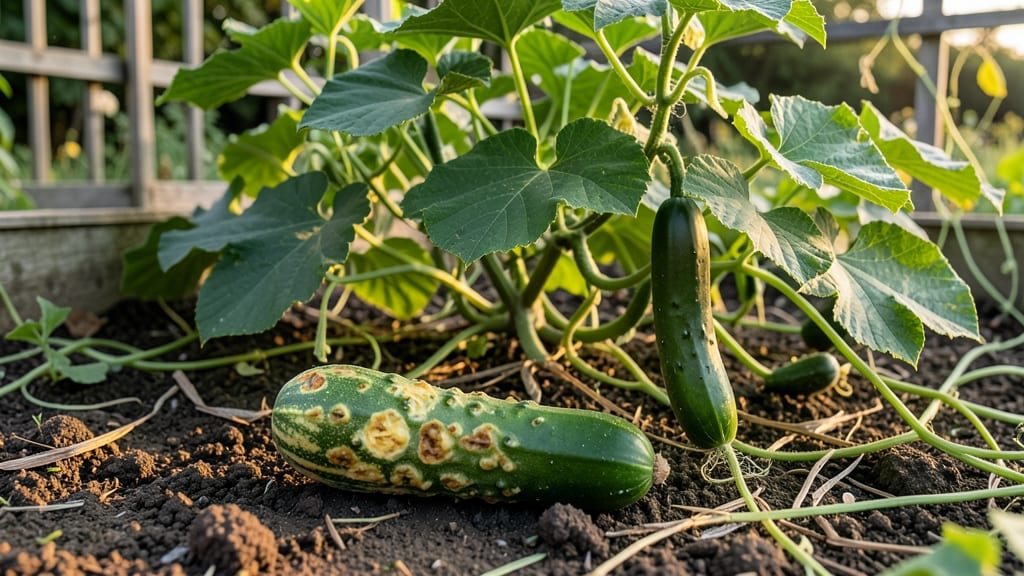
When cucumbers spoil, bacteria thrive in their porous skin and water-rich flesh, creating an ideal environment for pathogens like Listeria or Staphylococcus. 🔥 The porous texture traps moisture, accelerating bacterial growth—especially when stored improperly.
Symptoms typically appear within 6 to 72 hours, with severity depending on the bacteria type and your immune response. Even small amounts of spoiled cucumber can trigger reactions, so always discard any with soft spots, foul odors, or visible mold.
To minimize risks, store cucumbers in the crisper drawer of your fridge (not the door) and wash them thoroughly under running water before cutting. If you notice sliminess or an off smell, toss it immediately—your digestive system will thank you!
💡 In This Article
- How Spoiled Cucumbers Cause Foodborne Illness
- Signs of a Bad Cucumber and Safe Handling Tips
How spoiled cucumbers cause foodborne illness
Cucumbers are 95% water by weight, making them a prime breeding ground for bacteria when spoiled. Their thin, porous skin traps moisture and nutrients, creating the perfect environment for pathogens like E. coli, Salmonella, and Listeria to multiply rapidly.
These bacteria often originate from contaminated soil, water, or improper handling during farming or storage. For example, E. coli can thrive in temperatures between 41°F and 135°F, doubling in number every 20 minutes in ideal conditions.
The real danger lies in how quickly these bacteria colonize. At room temperature (70°F), a single Salmonella cell can become 16 million cells in just 7 hours. Humidity further accelerates this process, as moisture softens the cucumber's surface, allowing bacteria to penetrate deeper.
You'll often notice foul odors or slimy textures first—these are red flags that bacterial counts have reached dangerous levels. The timeline for symptoms to appear varies: E. coli typically causes issues within 12-72 hours, while Listeria can take up to 7 days to manifest.
What makes cucumbers particularly risky is their frequent consumption raw in salads or snacks. Unlike cooked vegetables, raw cucumbers don't undergo heat treatment to kill bacteria. Even a small bite from a contaminated cucumber can introduce enough pathogens to overwhelm your digestive system.
For instance, the 2015 U.S. CDC outbreak linked to contaminated cucumbers sickened over 900 people with Listeria, showing how easily these vegetables can become vehicles for illness.
Mold growth is another critical warning sign. While some molds are visible, others produce mycotoxins that can cause allergic reactions or even organ damage. The key is recognizing when a cucumber has crossed the safety threshold.
Look for yellowing skin, wrinkled texture, or dark spots—these indicate cellular breakdown and bacterial activity. The moment you see these signs, it's time to discard the cucumber, as cutting it won't remove all the contaminated areas.
Understanding the science helps explain why food safety guidelines emphasize proper storage. Cucumbers should be kept at 32-40°F in the fridge's crisper drawer, where humidity is controlled. This slows bacterial growth significantly.
The contrast is stark: a cucumber left at 75°F for 8 hours can become 100,000 times more dangerous than one stored properly. This temperature sensitivity is why many outbreaks trace back to improper refrigeration during transport or at home.
Here's what's actually happening in your body when you consume a bad cucumber: the bacteria release toxins that trigger an immune response. Your gut lining becomes inflamed, leading to the classic symptoms of food poisoning—nausea, cramping, and diarrhea. The severity depends on your gut's microbial balance and overall health.
For example, someone with a healthy microbiome might experience mild symptoms, while an immunocompromised individual could face hospitalization. The lesson? When in doubt, throw it out—your digestive system will thank you.