
Companion Plants

Struggling with cucumber plants that underperform or attract pests? Companion planting can transform your garden by boosting yields, improving flavor, and naturally repelling insects—without chemicals. These seven proven pairings maximize your cucumber harvest while creating a thriving, low-maintenance garden ecosystem.
Dill Plants for Pest Control
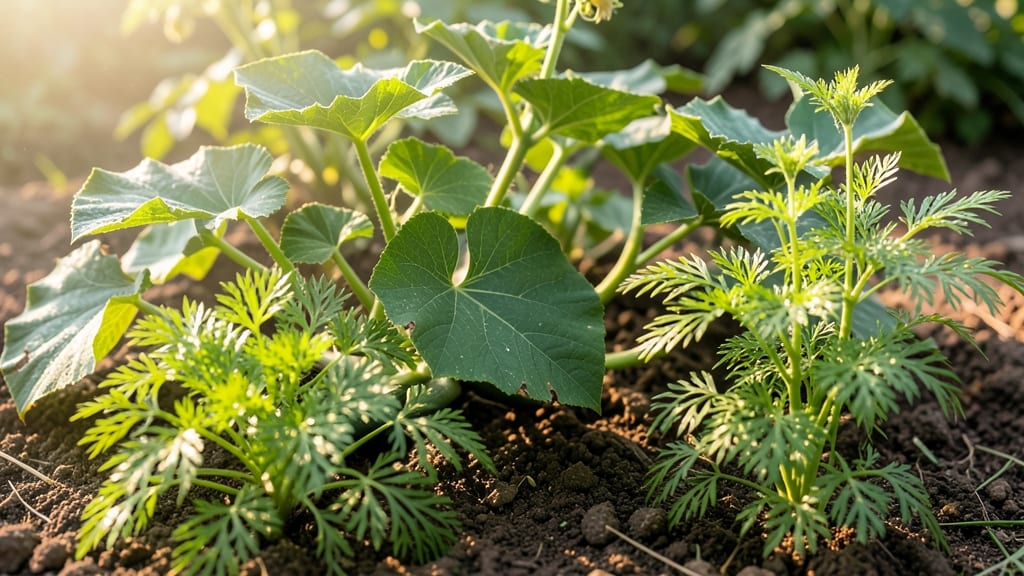
Cucumber beetles can turn your thriving cucumber patch into a chewed-up mess—but dill plants act like a natural pest control station. These feathery-leaved herbs attract predatory wasps that hunt down cucumber beetles, reducing damage by up to 80% without chemicals.
Plant dill just 12–18 inches away from cucumbers to maximize its pest-deterring effects. The bonus? Dill’s anise-like flavor enhances cucumbers’ taste when harvested together. For organic gardeners, this is a zero-waste solution—just let the dill bolt and self-seed for next year’s protection. 🌱
Nasturtium Flowers as Trap Crops
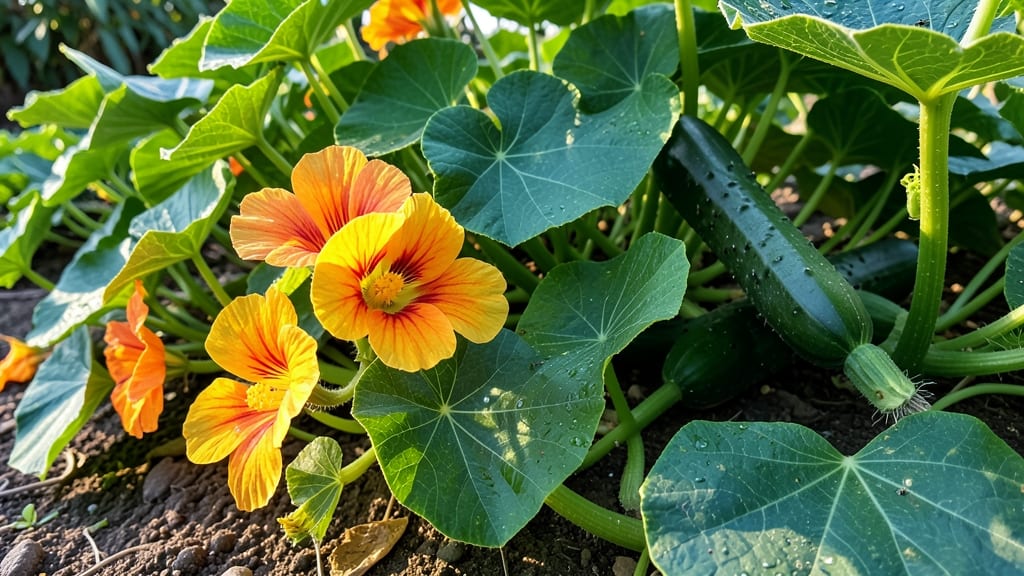
Want a two-in-one solution for cucumbers? Nasturtiums act as a living pest magnet, drawing aphids and cucumber beetles away from your vines while adding edible orange and yellow blooms to your salads. Their bright colors aren't just pretty—they're a strategic distraction for pests.
Plant nasturtiums around the outer edges of your cucumber patch, where they’ll intercept pests before they reach your main crop. These hardy annuals thrive in partial sun and tolerate poor soil, making them low-maintenance helpers. Plus, their peppery leaves and flowers are safe to eat, adding a zesty crunch to summer dishes.
Urban gardeners and beginners will love this no-fuss companion—it’s a pest-fighting powerhouse that also boosts your garden’s beauty and harvest. 🌻
Radishes for Soil Improvement
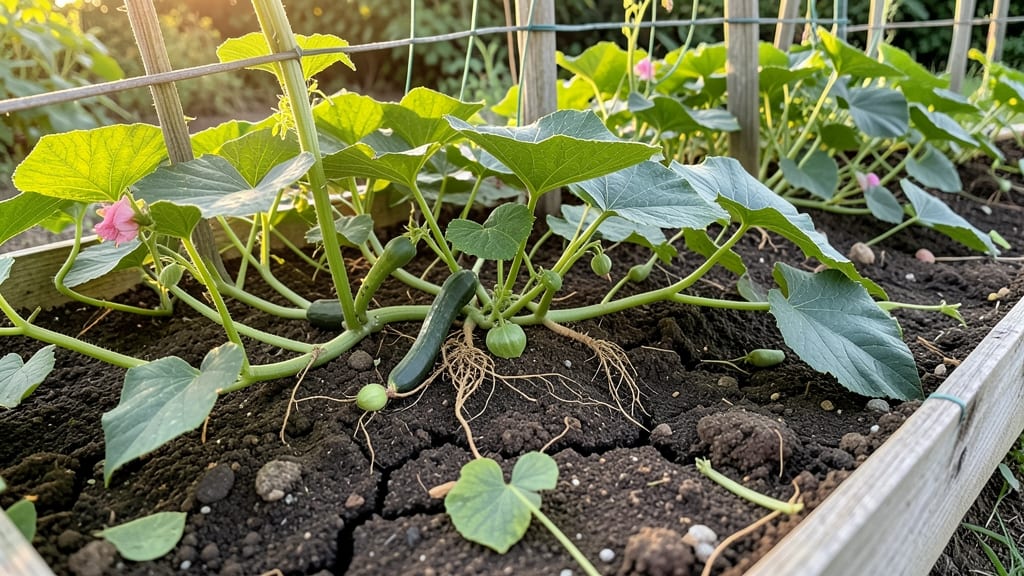
If your cucumbers are struggling in compacted or heavy soil, radishes might be the unsung hero of your garden. These fast-growing root vegetables don’t just produce edible rewards—they actively improve soil structure while keeping pests at bay.
Plant radishes (like the quick-maturing 'Cherry Belle' variety) alongside cucumbers to break up hardpan with their aggressive root growth. Their dense foliage smothers weeds, and their strong scent deters flea beetles and other pests that target cucumbers. In containers, mix radish seeds with cucumber seeds to maximize space—harvest radishes in 30 days, then let cucumbers take over the space.
Urban gardeners and small-space growers will love this pairing, as radishes thrive in shallow soil and containers while cucumbers climb vertically. It’s a win-win for flavor and soil health. 🌱
Basil Leaves for Flavor Boost
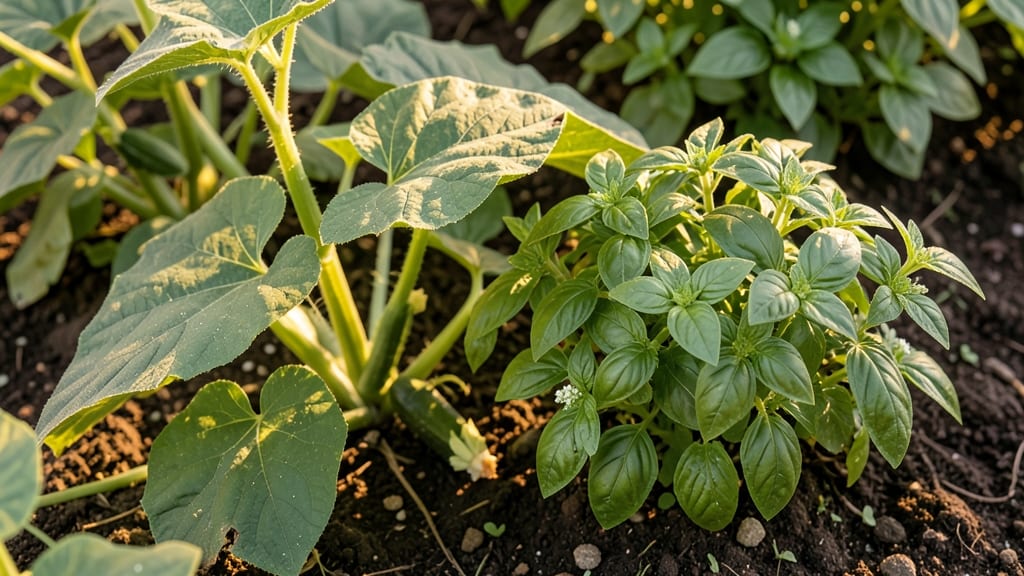
Want cucumbers that taste fresher and repel pests without chemicals? Plant basil right beside them—its strong aroma does double duty by masking cucumbers from insects while improving flavor. This fragrant herb deters thrips and whiteflies, two common cucumber pests, making it a natural pest barrier.
For best results, place basil plants within 12-18 inches of cucumbers, ensuring their leaves brush against the vines. Harvest basil leaves regularly to encourage bushier growth and stronger scent production. The more you pick, the more it will thrive—and so will your cucumbers.
Urban gardeners and small-space growers will love this pairing, as both plants thrive in containers. Plus, you’ll get fresh basil for cooking while keeping pests at bay. 🌿
Marigolds to Repel Nematodes
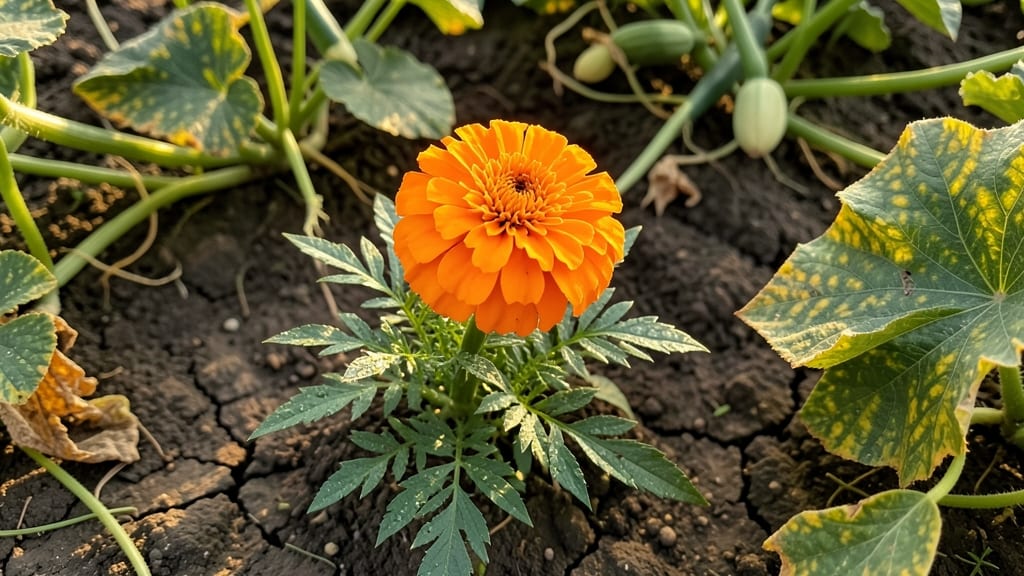
If your cucumbers are struggling in poor or reused soil, marigolds could be your secret weapon. These bright blooms release natural chemicals called alpha-terthienyl that disrupt the life cycle of soil nematodes, microscopic pests that weaken plant roots and stunt growth.
Plant French marigolds (like 'Tangerine' or 'Bonanza') around your cucumber patch in early spring, spacing them 12-18 inches apart. Their deep roots also help aerate compacted soil while adding a pop of color. For maximum benefits, interplant them directly with cucumbers or use them as a pre-planting cover crop before transplanting.
Gardeners with limited soil testing options or those reusing garden beds will see the biggest difference—marigolds work even when soil quality is unknown. 🌻
Beans for Nitrogen Fixation
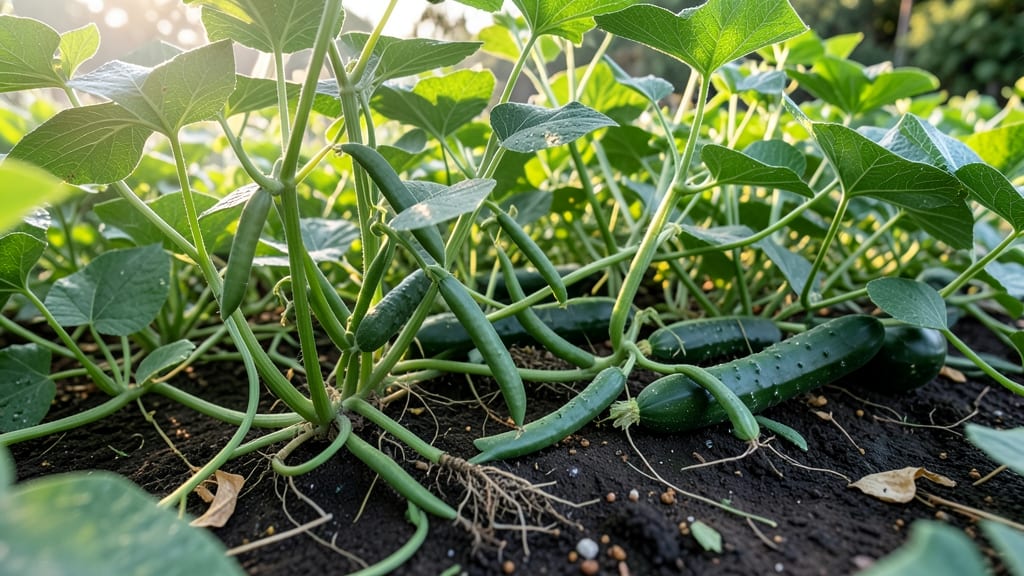
Tired of buying expensive fertilizers for your hungry cucumber vines? Beans are the ultimate free soil booster, turning your garden into a self-sustaining nitrogen factory while keeping cucumber roots cool and hydrated. Their leafy canopies act like natural shade cloth, reducing moisture loss in hot climates.
Choose bush beans (like 'Blue Lake' or 'Kentucky Wonder') for compact growth or pole beans (like 'Scarlet Runner') if you have trellises. Plant them just 6–12 inches from cucumber bases in early spring, as beans establish quickly and begin fixing nitrogen within weeks. For best results, rotate crops next season—beans leave soil richer in nitrogen, perfect for heavy feeders like tomatoes or peppers.
This pairing is a game-changer for organic gardeners or those with tight budgets, cutting fertilizer costs while improving cucumber yields naturally. 💚
Lettuce for Shade and Pest Deterrence
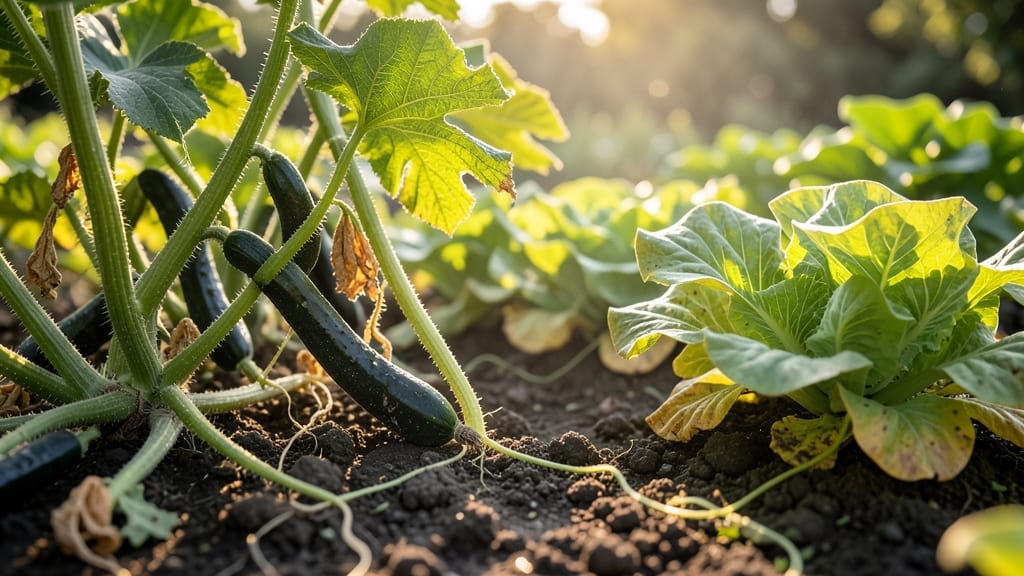
In hot climates where cucumbers wilt under the midday sun, lettuce becomes an unexpected ally—its broad leaves create a natural shade that keeps roots cool and retains moisture. This dual-purpose pairing also acts as a slug deterrent, as the loose, tender foliage confuses slugs searching for their preferred host plants.
Plant loose-leaf varieties like 'Black Seeded Simpson' or 'Buttercrunch' just 6–12 inches from cucumber bases, ensuring their canopy overlaps slightly. For succession planting, sow lettuce every 2–3 weeks in spring and fall to maintain continuous shade and pest protection. The lettuce’s rapid growth cycle (30–50 days) means you’ll harvest fresh greens while cucumbers thrive below.
This strategy is ideal for warm-season gardeners who struggle with moisture loss or slug damage—lettuce turns a potential problem into a productive solution. 🌱