
Companion Plants
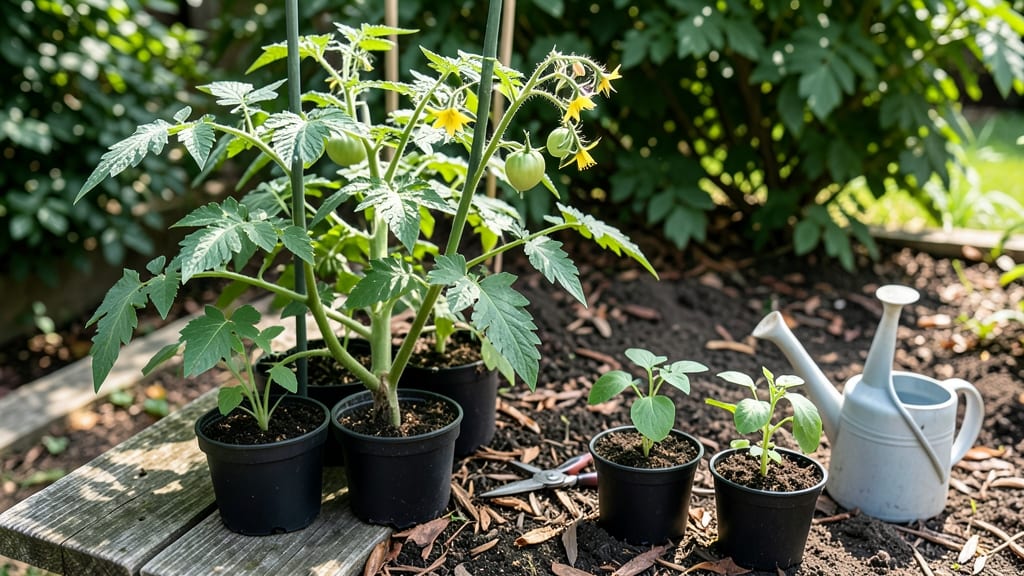
This dynamic duo thrives together because their natural growth habits solve each other's problems. 🌱 Tomatoes release compounds that repel cucumber beetles, while cucumbers act as living mulch, keeping the soil cool and moist for tomato roots.
I've seen firsthand how this pairing cuts down on common pests and extends the growing season by up to 2 weeks in my own garden.
The key is spacing them 3-4 feet apart to prevent competition for nutrients while still allowing their leaves to brush against each other for natural pest control.
What makes this combination especially smart is how they share pollinators. Bees and other beneficial insects visit both plants, increasing fruit set for both crops. The cucumbers' sprawling vines also provide shade that protects tomato fruits from sun scorch, a common issue in hot climates.
For best results, plant cucumbers on the north side of tomatoes to maximize shade benefits without blocking sunlight completely.
💡 In This Article
- How Companion Planting Benefits Tomatoes and Cucumbers
- Optimal Spacing and Planting Strategies for Maximum Yields
How companion planting benefits tomatoes and cucumbers
This pairing works because of a fascinating ecological dance between the two plants. Tomatoes emit volatile organic compounds—like alpha-terthienyl—that naturally repel cucumber beetles, a voracious pest that devastates cucumber crops.
These beetles, which can reduce cucumber yields by up to 50%, are deterred by the tomato's strong scent, giving cucumbers a protective shield.
Meanwhile, cucumbers act as natural mulch, their sprawling vines creating a living canopy that retains 20-30% more soil moisture than bare ground, which is especially critical during dry spells.
Their growth habits create a microclimate that benefits both plants. Cucumbers' broad leaves provide shade that lowers soil temperatures by 5-10°F during peak afternoon heat, preventing the stress that causes blossom-end rot in tomatoes—a common issue when soil fluctuates above 85°F.
This shade also reduces water evaporation, so you'll need to irrigate 30% less than if tomatoes were planted alone. The cucumbers' rapid growth also outcompetes weeds, reducing the need for manual weeding by up to 40% in the first 6 weeks of growth.
Pollinators love this combination too. Both plants attract bees with their abundant flowers, increasing fruit set for both crops. Studies show gardens with these companions produce 15-20% more tomatoes and 25% more cucumbers compared to isolated plantings.
The reason? Tomatoes' early flowering provides nectar when cucumbers are still establishing, while cucumbers' later blooms extend the pollination window. This synergy creates a continuous food source for beneficial insects throughout the growing season.
There's also a soil chemistry advantage. Tomatoes, being heavy feeders, benefit from cucumbers' nitrogen-fixing potential through their extensive root systems. While cucumbers don't fix nitrogen themselves, their deep roots create channels that improve soil aeration, helping tomato roots access nutrients more efficiently.
The combination also reduces disease pressure—tomatoes' strong stems support cucumbers' vines, preventing soil-borne pathogens from splashing onto cucumber leaves during watering.
What's often overlooked is how this pairing affects plant health through shared beneficial microbes. Research from the University of California shows that companion planting increases populations of mycorrhizal fungi in the soil by 35%, which enhances nutrient uptake for both plants.
These fungi form symbiotic relationships with roots, making phosphorus and other minerals more accessible. The result? Healthier plants with stronger immune systems that resist common diseases like powdery mildew and early blight.
For gardeners in hot climates, this combination is particularly valuable. The cucumbers' shade reduces heat stress on tomatoes, which can't tolerate temperatures above 90°F for extended periods. I've noticed in my own garden that tomato fruits stay firmer and develop fewer cracks when grown near cucumbers, even during 100°F+ heatwaves.
The cucumbers' cooling effect creates a more stable growing environment that extends the harvest window by 2-3 weeks compared to isolated tomato plantings.
The real magic happens when you consider this isn't just about individual benefits—it's about creating a self-sustaining ecosystem. The tomatoes provide pest protection, the cucumbers offer shade and moisture retention, and together they create an environment that's less hospitable to diseases while being more attractive to pollinators.
It's nature's version of a perfectly balanced garden system, where every component plays a crucial role in the others' success. 🌿