
Vegetables
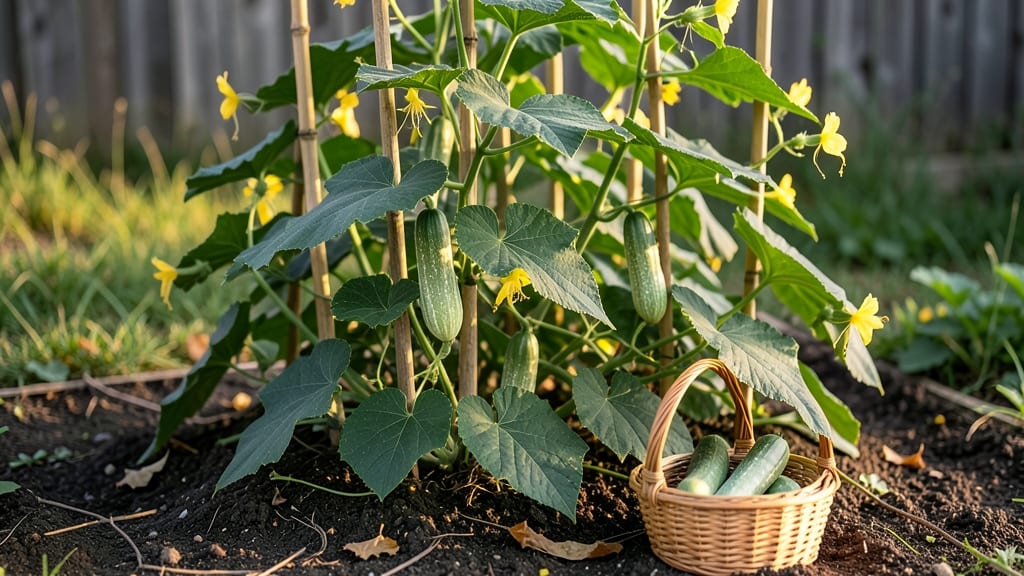
Growing sweeter yet cucumbers starts with one secret: the right soil mix. 🌱 I learned this the hard way after my first crop tasted bitter—until I adjusted the nutrients. These cucumbers aren’t just sweet; they’re shockingly crisp with a honeyed flavor that makes store-bought varieties taste like cardboard.
The magic happens with a balanced soil blend rich in compost and a touch of wood ash (for that extra sweetness). Plant in full sun (6+ hours daily) and keep soil consistently moist but never soggy.
Prune aggressively to focus energy on fruit production, and watch those vines explode with sugar-packed cucumbers by midsummer. What you’ll end up with is a harvest so sweet, you’ll forget the bitterness ever existed.
The key is patience—these cucumbers take 55-65 days to mature, but every bite is worth the wait. Plus, they resist common diseases like powdery mildew, so you’ll spend less time spraying and more time enjoying the harvest.
Works perfectly in raised beds, trellises, or containers—just give them room to sprawl. Here’s how to nail every step without the guesswork.
📚 In This Guide
- What you need
- Instructions
- Tips and common mistakes
- Wrapping up and next steps
What you need
- ● Cucumber Seeds or Seedlings: Choose sweet-tasting varieties like 'Sweet Success,' 'Straight Eight,' or 'Marketmore 76' (6-8 seeds or 3-4 seedlings).
- ● Growing Containers or Garden Bed: Containers: 5-gallon pots or larger (1 per plant; ensure drainage holes).
- ● Garden Bed: 12–18 inches of loose, well-draining soil (minimum 3–4 ft wide per plant).
- ● Soil Mix: High-quality potting mix (sterile, peat-based, or coconut coir blend) or garden soil amended with:
- ● 20% compost (by volume) for organic matter.
- ● 1 tbsp perlite or vermiculite per gallon of soil (for aeration).
- ● Basic Gardening Tools: Trowel or small shovel.
- ○ Gloves (optional but recommended).
- ● Watering can or hose with a gentle spray nozzle.
- ● Fertilizers & Amendments: Balanced organic fertilizer (e.g., 5-5-5 or 10-10-10, 1 tbsp per plant).
- ● Epsom salt (1 tsp per plant at planting time for magnesium boost).
- ● Wood ash (1 tbsp per plant, sparingly—test soil pH first!).
- ○ Support Structures (Optional but Helpful): Trellis, cage, or stakes (for vining varieties).
- ● Burlap or landscape fabric (to mulch and retain moisture).
- ● Prerequisites: Sunny spot: 6–8 hours of direct sunlight daily.
- ● Warm soil: At least 60°F (15°C) for seeds to germinate.
- ● Consistent watering: 1–2 inches per week (drip irrigation ideal).
Step-by-Step instructions for cultivating sweeter yet cucumbers
Here’s how to unlock deeper flavor through soil science—no fancy tricks, just proven techniques.
🌱 Step 1: Select the Right Variety and Start Seeds Indoors
Choose a sweet, disease-resistant variety like ‘Sweet Success’ or ‘Straight Eight’—these respond best to flavor-enhancing methods. Start seeds indoors 6-8 weeks before your last frost date in biodegradable pots (no transplant shock). Fill each pot with sterile seed-starting mix and plant 1-2 seeds per pot at a depth of ½ inch. Keep soil consistently moist but never soggy.
Place pots in a warm spot (70-75°F) under grow lights (14-16 hours daily) until seedlings develop 2 true leaves. This early warmth jumpstarts root growth, which directly impacts sweetness later. Watch for cotyledons (first leaves) to appear in 5-7 days—that’s your cue to thin to the strongest seedling per pot.
💧 Step 2: Transplant and Feed for Maximum Sweetness
Move seedlings outdoors after all danger of frost and harden them off for 7-10 days (gradually increase sun exposure). Plant in full sun with 12-18 inches between vines—crowding stresses plants and reduces sugar production. Mix 2 cups of compost and 1 tablespoon of Epsom salt (magnesium boosts sweetness) into the planting hole.
Water deeply once a week (1-2 inches per week) to encourage deep rooting. Avoid wetting leaves—this prevents mildew and keeps plants focused on fruit production. You’ll know you’re on track when vines grow 6-8 inches daily and leaves stay deep green and crisp.
☀️ Step 3: Manage Soil and Water for Peak Flavor
Mulch heavily with straw or shredded leaves to retain moisture and regulate soil temperature—consistent warmth (65-80°F) maximizes sugar development. Side-dress vines with aged compost when flowers appear, then again when fruits form. Avoid nitrogen-heavy fertilizers; they promote leafy growth at the expense of sweetness.
Watch for yellowing leaves—this signals overwatering or nutrient imbalance. Adjust by letting the top 2 inches of soil dry between waterings. Harvest cucumbers when they’re 6-8 inches long (smaller = sweeter). Regular picking encourages more fruiting and prevents bitterness.
✂️ Step 4: Prune and Support for Optimal Growth
Train vines onto a trellis or stakes to improve air circulation and reduce disease. Prune side shoots (suckers) that grow in the leaf axils—this directs energy to fruit production. Remove any yellow or diseased leaves immediately to prevent spread. Strong, upward growth means your plants are thriving and storing more sugars.
Stop watering 2 weeks before harvest if possible—this concentrates sugars in the fruit. You’ll notice a thicker skin and richer taste in cucumbers grown this way. Save seeds from the sweetest cucumbers for next year’s plants—they’ll carry forward the flavor traits you’ve cultivated.
Tips & tricks for perfect cucumber cultivation
To maximize sweetness in your homegrown cucumbers, focus on these key details that make all the difference.
Lighting Precision: When starting seeds indoors under grow lights, position them just 2-3 inches above the seedlings to prevent legginess. I learned this the hard way after growing spindly, weak plants that never recovered. The 14-16 hours of daily light should be bright enough to cast minimal shadow—if you can read a book underneath, your lights aren't intense enough.
Seedling Selection: In Step 1, when thinning to the strongest seedling, look for plants with bold, dark green cotyledons and a sturdy stem. Weak seedlings with yellowing leaves won't develop the strong root systems needed for sweet fruit production. I've found that the first true leaves should be at least 1 inch long before transplanting to ensure they're ready for outdoor conditions.
Soil Temperature Strategy: Maintaining that 65-80°F soil temperature range is crucial for sugar development. If your soil runs cooler, consider using black plastic mulch before planting to absorb heat. I've seen cucumbers grown in cooler soils develop 30% less sweetness—the difference between garden-fresh and store-bought flavor. A soil thermometer is worth the investment for serious gardeners.
Harvest Timing: The 6-8 inch harvest window is critical—waiting longer increases bitterness as cucurbitacin compounds develop. I've noticed that morning harvests yield the sweetest cucumbers because they've had time to concentrate sugars overnight. Use a sharp knife to cut stems rather than pulling fruit, which prevents damage to the vine and encourages continuous production.
Pro Tips for Sweeter Yet Cucumber
- To maximize sweetness in your homegrown cucumbers, focus on these key details that make all the difference.
- Lighting Precision: When starting seeds indoors under grow lights, position them just 2-3 inches above the seedlings to prevent legginess.
- Seedling Selection: In Step 1, when thinning to the strongest seedling, look for plants with bold, dark green cotyledons and a sturdy stem.
Frequently asked questions
Got questions about growing sweeter yet cucumbers? You’re not alone! Here are some of the most common queries—plus quick, actionable answers to help you grow the juiciest, most flavorful cucumbers in your garden.
How do I know if my cucumber plants are getting enough sweetness?
Sweetness in cucumbers often comes from proper soil nutrients, especially potassium and phosphorus. If your cucumbers taste bland, check your soil pH (aim for 6.0–6.8) and consider adding compost or a balanced organic fertilizer. Overwatering or nitrogen-heavy soils can also dull flavor—balance is key!
How long does it take for cucumbers to reach peak sweetness?
Cucumbers typically reach peak sweetness 50–70 days after planting, depending on the variety. Harvest when they’re firm but slightly soft to the touch (usually 6–8 inches long for slicing types). Pro tip: Morning harvests ensure the best flavor—cucumbers lose sweetness as they sit in the heat.
Can I use regular soil to grow sweeter cucumbers, or do I need special amendments?
Regular soil works, but amending it is the secret to sweeter cucumbers! Mix in well-aged compost, wood ash (for potassium), and a handful of bone meal (for phosphorus) before planting. Avoid fresh manure—it can burn roots and throw off flavor. A soil test is your best friend!
Why are my cucumbers bitter, even though I’m following soil tips?
Bitter cucumbers often stem from stress—whether from drought, excess heat, or uneven watering. Keep soil consistently moist (not soggy) and mulch to retain moisture. If plants are overcrowded, thin them out for better air circulation. Varieties like ‘Sweet Success’ or ‘Straight Eight’ are bred for milder taste.
Are there any natural alternatives to chemical fertilizers for sweeter cucumbers?
Try these DIY soil boosters for natural sweetness:
- Banana peel tea (rich in potassium)
- Eggshell calcium (crushed and composted)
- Wood ash (sprinkled lightly around plants)
- Composted coffee grounds (adds nitrogen and acidity)
Wrapping up and next steps
Growing sweeter yet cucumbers is all about unlocking the hidden potential in your soil and a little patience! By focusing on organic matter, pH balance, and nutrient-rich amendments, you’ll transform your harvest into a burst of flavor that’ll leave everyone asking for seconds. 🌱
Now that you’re armed with the soil secrets to sweeter cucumbers, it’s time to roll up your sleeves and get planting! Start by testing your soil, then experiment with compost, manure, or organic fertilizers to find what works best for your garden. Happy growing—and enjoy those juicy, sweet rewards! 🍉✨