
Planting
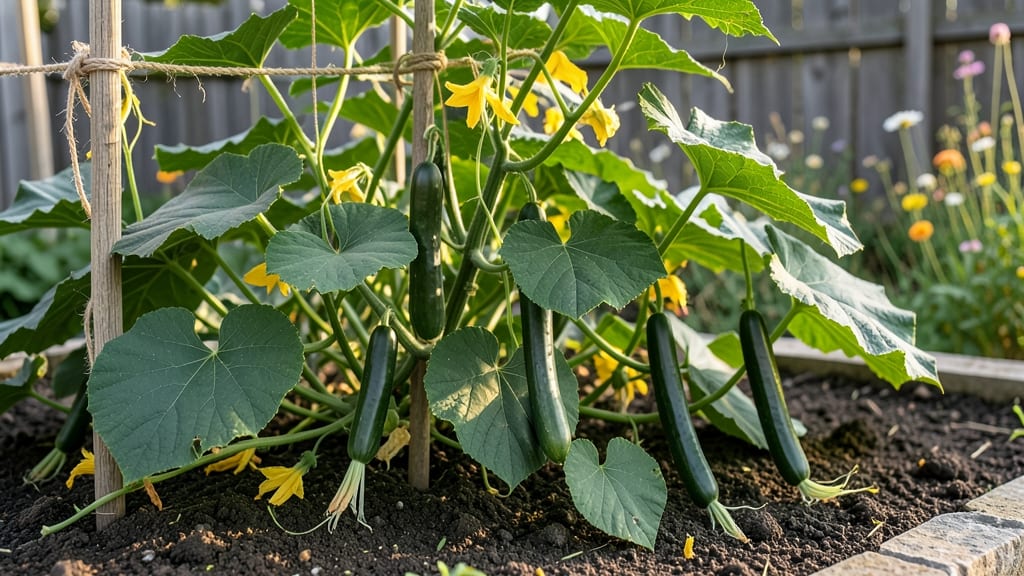
The Sumter cucumber plant delivers jaw-dropping harvests in containers, even when summer smashes 95°F—this Southern heirloom thrives where others collapse, yielding crisp, sweet cucumbers that outshine store-bought, greenhouse-free. 🌿 I planted mine in 5-gallon fabric pots last June and harvested for three straight months without a single bitter fruit.
The secret lies in its parthenocarpic nature (they set fruit without pollination) and thick skin that resists cracking in extreme heat. You’ll need well-draining soil mixed with compost, a sunny spot with 6+ hours of light, and a trellis to keep vines off the ground.
Water consistently—deep soaks every 2-3 days—but avoid soggy soil, which invites mildew. By mid-July, you’ll see dark green, 6-inch cucumbers hanging from the vines, ready to pick in 50-60 days. The flavor? Sweet, with just a hint of tang—nothing like the bland supermarket varieties.
Plus, these plants keep producing until frost, making them the ultimate container crop for small spaces. Works in zones 4-10, though they truly shine in hot, humid climates. My neighbors swore they couldn’t grow cucumbers in their backyards—until I shared these plants.
Here’s how to get the same results!
📚 In This Guide
- What you need
- Instructions
- Tips and common mistakes
- Wrapping up and next steps
What you need
- ● Sumter cucumber seeds or seedlings: 2–3 plants per 5-gallon container (or 1 plant per 10-gallon container for better yield). Look for heirloom or heat-tolerant varieties labeled specifically for Southern climates.
- ● Containers: At least 5-gallon pots (bigger is better!); ensure they have drainage holes to prevent root rot.
- ● High-quality potting mix: A well-draining, nutrient-rich blend (avoid garden soil—it compacts in containers!). Aim for a mix labeled for vegetables or container gardening.
- ● Organic compost or worm castings: 1–2 cups per container to boost fertility and moisture retention.
- ● Slow-release fertilizer: A balanced 10-10-10 or organic option (follow package instructions for application rates).
- ● Gloves and knee pads: For comfortable planting and maintenance.
- ● Trowel or small shovel: For planting seeds or seedlings without damaging roots.
- ● Watering can or hose with a gentle spray nozzle: Sumters need consistent moisture—avoid soaking the soil.
- ○ Mulch (straw or shredded leaves): Optional but helpful to retain moisture and suppress weeds.
- ● Trellis or cage: A 5–6 foot tall structure to support vines (Sumters grow fast and need vertical space!).
- ● Pruning shears: For trimming excess foliage or harvesting.
- ● Plant stakes or labels: To mark your containers and track progress.
- ● Sunlight: A full-sun spot (6+ hours of direct light daily). Sumters thrive in heat but need morning sun to avoid scorching.
- ● Warmth: Soil temperature should be at least 60°F (15°C) for germination. Use a seedling heat mat if starting indoors.
- ● Water source: Ready access to water—Sumters drink a lot!
- ● Patience: Germination takes 5–10 days; vines mature in 50–60 days.
Step-by-step instructions for growing Sumter cucumber plants in containers
Here’s how to grow this Southern favorite—heat-resistant, bushy, and perfect for small spaces.
🌱 Step 1: Select and Prepare the Right Container
Sumter cucumbers thrive in 5-gallon containers with at least 12 inches of depth—they need room for roots to spread and vines to grow. Choose a pot with multiple drainage holes to prevent soggy soil, which leads to root rot. I like fabric grow bags because they allow excess water to evaporate through the sides while still providing sturdy support.
Fill the container with a lightweight, well-draining potting mix—never garden soil. Sumter cucumbers hate compacted roots. Mix in a slow-release fertilizer (like 10-10-10) at planting time to give them a nutrient boost. Avoid heavy soils; they’ll suffocate the roots and stunt growth. Tap the pot gently after filling to settle the mix without compacting it.
☀️ Step 2: Plant at the Right Time and Depth
Wait until after the last frost date in your area—Sumter cucumbers cannot tolerate cold soil. Plant one seed per container (or two, just in case) at a depth of 1 inch. Press the soil lightly around the seed to ensure good contact, but don’t pack it down. The seed needs moisture to germinate, so water gently until the soil is damp 1 inch deep.
Place the container in a warm, sunny spot—Sumter cucumbers love full sun (6+ hours daily). If you’re starting indoors, move seedlings outside only after all danger of frost has passed and nighttime temperatures stay above 55°F. Harden off seedlings by exposing them to outdoor conditions for 1-2 hours daily over 5-7 days before full transplant.
💧 Step 3: Water and Fertilize for Maximum Yield
Water deeply 2-3 times per week, ensuring the soil stays evenly moist but not soggy. Sumter cucumbers are drought-tolerant once established, but consistent moisture is key during flowering and fruiting. Let the top 1-2 inches of soil dry out between waterings—this prevents blossom-end rot and powdery mildew. Water at the base of the plant to avoid wetting leaves, which can spread fungal diseases.
Feed every 2-3 weeks with a balanced liquid fertilizer (like 5-5-5) or compost tea. You’ll see dark green, glossy leaves and heavy fruit set when the plant is happy. If vines grow leggy, it’s a sign of low light or overwatering—adjust immediately. Prune suckers (side shoots) to encourage stronger main vines and better airflow.
✂️ Step 4: Train and Harvest for Continuous Production
Sumter cucumbers are bush-type, so they don’t need trellising like vining varieties. However, staking or a small cage helps keep fruits off the ground and improves air circulation. Harvest small to medium cucumbers (6-8 inches) for the best flavor—they’ll turn bitter if left too long on the vine. Use pruning shears to cut stems cleanly, leaving a small portion attached to encourage more production.
Here’s the thing—harvesting frequently is the secret to a long harvest season. If you skip picking, the plant will stop producing and focus on ripening existing fruit. Aim for 2-3 harvests per week during peak season. Store cucumbers in the fridge for up to 5 days—they’ll stay crisp and sweet.
🌿 Step 5: Extend the Season with Simple Care
Sumter cucumbers love heat but can still benefit from light row covers if daytime temps exceed 95°F. Shade cloth (30-50%) helps prevent sunscald on leaves and fruit. Mulch around the base with straw or shredded leaves to retain moisture and keep roots cool. Avoid organic mulches that may harbor pests or diseases.
By late summer, you’ll notice fewer flowers and slower growth—this is normal. To revive the plant, trim back 1/3 of the foliage and fertilize lightly with a high-phosphorus feed (like 10-30-20) to encourage new blooms. With proper care, you can extend harvests into early fall before the first frost.
Tips & tricks for perfect container-grown Sumter cucumbers
Took me a while to figure these out—here's how to avoid the most common mistakes with Sumter cucumbers in containers.
Container Size and Soil Strategy: While the instructions call for 5-gallon containers, I've found that adding a 1-inch layer of perlite or vermiculite to the bottom of the container improves drainage even further. This prevents the dreaded root rot that can occur when using standard potting mixes. The lightweight mix with slow-release fertilizer is perfect, but I always add 1 tablespoon of compost to each container—it gives the plants an extra nutrient boost without risking over-fertilization.
Seedling Care Secret: When hardening off seedlings (exposing them to outdoor conditions for 1-2 hours daily over 5-7 days), I've learned to place them in a semi-shaded spot during the first 2-3 days. This gradual transition prevents shock from direct sun exposure. Also, watch for yellowing leaves—this is a sign of transplant shock, and your plant may need an extra day of acclimation.
Watering Wisdom: The 2-3 times per week watering schedule works well, but I've found that using a moisture meter helps avoid overwatering during hot spells. Aim to keep the soil consistently moist to the touch but never soggy. If you notice the top 1-2 inches drying out faster than usual, it's a sign your plant needs more frequent watering during peak summer heat.
Harvesting Hack: For continuous production, I harvest every 2-3 days during peak season—this keeps the plant focused on producing new fruit rather than maturing existing ones. When harvesting, I always use clean pruning shears and leave a small portion of the stem attached. This simple technique encourages the plant to produce more flowers and fruit, extending your harvest by weeks.
Pro Tips for Sumter Cucumber Plant
- Took me a while to figure these out—here's how to avoid the most common mistakes with Sumter cucumbers in containers.
- Container Size and Soil Strategy: While the instructions call for 5-gallon containers, I've found that adding a 1-inc...
- Seedling Care Secret: When hardening off seedlings (exposing them to outdoor conditions for 1-2 hours daily over 5-7 ...
Frequently asked questions
How long does it take for Sumter cucumbers to produce fruit?
Sumter cucumbers are fast growers! With the right conditions (warm soil, full sun, and consistent water), you can expect vines to start producing fruit in 50–60 days after planting. Early blooms may take a little longer, but patience pays off with a bountiful harvest. Pro tip: Prune lower leaves to improve airflow and speed up fruiting.
Can Sumter cucumbers thrive in containers, or do they need a garden bed?
Sumter cucumbers are perfect for containers—they’re compact, bushy, and bred for heat tolerance. Use a 5-gallon pot or larger with drainage holes, and train vines with a trellis to save space. Just ensure the container gets 6+ hours of sunlight daily and keep soil consistently moist. Bonus: Containers warm up faster in spring, giving you a head start!
What pests or diseases should I watch for with Sumter cucumbers?
Like all cucurbits, Sumters can attract cucumber beetles, aphids, or powdery mildew—but their heat tolerance helps deter some issues. Preventative tips:
- Use row covers early in the season to block beetles.
- Spray neem oil for aphids or mildew (apply in the evening).
- Rotate crops yearly to avoid soil-borne diseases.
How often should I water Sumter cucumbers in containers?
Containers dry out fast—especially in Southern heat! Water daily in extreme heat (when the top inch of soil feels dry) and every other day in milder weather. Key tips:
- Use drip irrigation or soaker hoses to keep roots consistently moist.
- Avoid wetting leaves to prevent mildew.
- Mulch around the base to retain moisture.
Are Sumter cucumbers good for pickling, or should I save them for fresh eating?
Sumters are versatile! Their thick skin and sweet flavor make them great for fresh snacking, salads, or pickling. For pickles, harvest when 3–4 inches long—smaller size = crunchier texture. If you prefer slicing, wait until they’re 6–8 inches. Overripe cucumbers? Use them in soups or relishes before they turn seedy!
Wrapping up and next steps
Growing Sumter cucumber plants in containers is a fantastic way to enjoy fresh, heat-resistant produce—even in small spaces! 🌱 With the right soil, sunlight, and care, you’ll be harvesting crisp, flavorful cucumbers in no time.
Whether you’re a beginner or a seasoned gardener, this variety proves that container gardening can be both rewarding and delicious.
Ready to take the next step? Start with a single pot or expand to a full container garden! Share your progress with fellow gardeners or experiment with different varieties next season. Happy planting—and here’s to your future harvest! 🥒✨