
How To
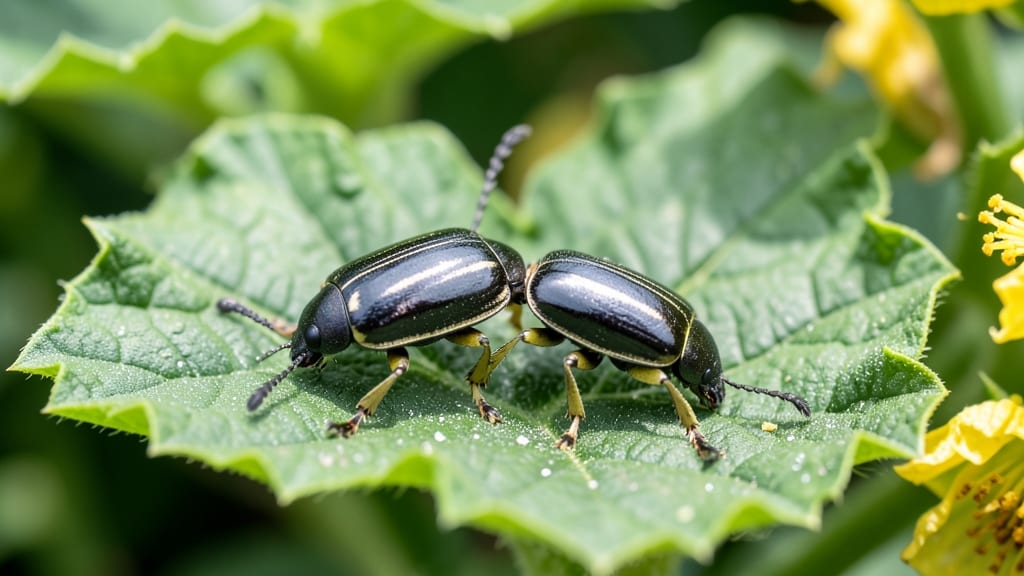
Learn how to prevent cucumber beetles before they strip your garden—these striped pests can destroy entire rows of cucumbers, squash, and melons in days, but these proven strategies keep them away naturally.
The secret lies in a combo of row covers, trap crops, and smart planting timing that works even for beginners.
These beetles don’t just munch leaves—they spread bacterial wilt, a deadly disease that can wipe out your entire crop. The good news? You can stop them before they start. Lightweight row covers block them entirely, while trap crops like radishes or nasturtiums lure them away from your prized plants.
Even a simple 30-second daily check for early signs (like skeletonized leaves) saves your harvest.
By mid-summer, your cucumbers will thrive with vibrant green foliage and no beetle damage in sight. The best part? These methods work for all cucurbits—zucchini, pumpkins, and even watermelons. You’ll spend less time spraying and more time enjoying fresh, pest-free produce straight from the vine.
Works in any garden size, from backyard plots to container setups. Here’s how to implement it step by step—no guesswork, just results. Let’s get those beetles under control for good.
The Hidden Triggers Behind Beetle Attacks
Cucumber beetles don’t just appear out of nowhere—they’re drawn to your garden by a mix of environmental cues, plant chemistry, and even human habits. Understanding these triggers is the first step to outsmarting them.
---
Cucumber beetles, particularly the **striped (Acalymma vittatum) and spotted (Diabrotica undecimpunctata) varieties, are specialists. They target plants in the Cucurbitaceae family—think cucumbers, squash, melons, and pumpkins—because these plants produce volatile organic compounds (VOCs) that signal "safe feeding grounds." 🌿
- Why it happens: Beetles detect these VOCs from up to 30 feet away, using their keen sense of smell to locate vulnerable crops. - The science: Cucurbit plants release cucurbitacins** (bitter compounds) when stressed, which actually attract beetles.
Ironically, these same compounds deter many pests but act as a dinner bell for beetles. - Actionable insight: If you’ve ever noticed beetles swarming right after planting cucumbers, it’s because the young, tender leaves emit high levels of glucosinolates, a chemical beacon for them.
---
Cucumber beetles are cold-blooded—they thrive when soil temperatures rise above 55°F (13°C).
This means: - Spring planting too early? Beetles wake up from overwintering in leaf litter or garden debris as soon as the ground warms, often before your seedlings even emerge. - The science: Beetles time their emergence with degree-day models, a measure of heat accumulation.
In many regions, this happens 2–4 weeks before the last frost, giving them a head start. - Pro tip: 🌡️ If your area has mild winters, beetles may be active year-round, making prevention a year-long game.
---
Beetles don’t disappear after harvest—they hide in plain sight until next season.
Their survival strategies include: - Adults burrow into mulch, leaf litter, or garden borders to escape frost. - Larvae (the grubs) pupate in the soil, emerging as adults when conditions are right. - The science: Some beetles even migrate short distances (up to 1 mile) if their current host plants are exhausted, seeking out new gardens. - Actionable insight: If you’ve had beetles before, last year’s garden debris is their winter hotel.
Clearing out old plant material in fall disrupts their life cycle.
--- Healthy plants can fight back against beetles, but stress makes them prime victims.
Common stress factors include: - Drought stress → Plants release more VOCs as a distress signal. - Nutrient deficiencies (especially nitrogen or potassium) → Makes leaves softer and more palatable. - Mechanical damage (e.g., from hail or other pests) → Opens the door for beetles to feed and lay eggs. - The science: Beetles prefer young, tender growth because it’s high in water content and low in defensive compounds.
Mature leaves, while tougher, are still at risk if the plant is already compromised.
--- Here’s a twist: beneficial pollinators (like bees) can unwittingly aid cucumber beetles by: - Visiting flowers where beetles hide, then carrying them to new plants. - The science: Beetles often mimic flowers in color (yellow and black stripes) to blend in, making them harder for predators to spot. - Actionable insight: While you want pollinators, timing matters.
Plant trap crops (like radishes or nasturtiums) before your cucurbits to lure beetles away before they find your main crops.
--- Sometimes, our gardening practices accidentally create beetle magnets: - Planting cucurbits in the same spot yearly → Beetles remember the location via chemical trails. - Using fresh manure or compost → The high nitrogen boosts plant growth, making them more appealing. - Ignoring weeds → Many weeds (like marigolds or mustards) are beetle favorites and act as stepping stones to your crops. - The science: Beetles use visual and chemical cues to navigate.
A garden with monoculture cucurbits (all the same plant) is like a neon sign to them.
--- Not all gardens are equal—some regions are beetle hotspots due to: - Warm, humid climates (e.g., Southeast U.S.) → Beetles breed faster and in larger numbers. - Dry, windy areas → Beetles dispersal more easily on gusts of wind. - The science: Degree-day accumulations (a measure of heat) determine beetle activity.
Areas with early springs see earlier infestations.
--- Cucumber beetles don’t attack randomly—they’re strategic, chemical-savvy invaders that exploit plant stress, warm weather, and human habits. The good news? Knowing their triggers lets you outmaneuver them before they become a full-blown crisis. 🚀
Quick Fixes for Cucumber Beetle Damage
Cucumber beetles may seem relentless, but with the right strategies, you can reclaim your garden and protect your cucumbers, squash, and melons. Below are practical, step-by-step solutions tailored to the root causes of infestations—whether it’s early detection, physical barriers, natural predators, or chemical-free controls.
---
Problem: Adult beetles chew leaves and spread bacterial wilt. Fix: Act fast with these prevention-first tactics:
- 🍳 Row Covers to the Rescue Use floating row covers (lightweight fabric) over young plants to block adults from landing. Secure edges with soil or bricks to prevent beetles from crawling underneath. - Pro Tip: Remove covers when flowers appear to allow pollination, but reapply if beetles return.
- 👨🍳 Trap Crops: Sacrifice a Few Plants Plant a small patch of radishes or turnips near your cucurbits. Beetles prefer these over cucumbers—harvest and destroy the trap crops weekly to break the cycle.
- 🌱 Early Planting Tricks Start seeds indoors and transplant after the last frost when soil is warm (60°F+). Beetles emerge in late spring, so a head start gives plants a fighting chance.
---
Problem: Beetles hide in soil or under leaves, making sprays ineffective. Fix: Traps, traps, traps! Combine these methods for maximum impact:
- 🔪 Yellow Sticky Traps Hang yellow cards or buckets coated with petroleum jelly near plants. Beetles are attracted to yellow and get stuck—check traps daily and replace when saturated.
- 🕳️ Collar Barriers for Young Plants Wrap the base of seedlings with cardboard collars (cut from toilet paper rolls or aluminum foil) to block beetles from crawling up.
- 🌙 Nighttime Patrols Handpick beetles after sunset when they’re sluggish. Drop them into soapy water (1 tbsp dish soap per gallon) to kill them instantly.
---
Problem: Chemical sprays harm beneficial insects too. Fix: Boost the garden’s defense team with these allies:
| Predator | How to Attract Them | When to Expect Help | |--------------------|-----------------------------------------------|-------------------------------| | Ladybugs | Plant dill, fennel, or marigolds nearby. | 1–2 weeks after planting. | | Ground Beetles | Leave leaf litter or mulch near plants. | Active at night; check under boards. | | Parasitic Wasps| Avoid broad-spectrum pesticides; use neem oil instead. | Peak in warm, dry weather. |
- Pro Tip: Avoid tilling—it disrupts ground beetle habitats. Let some bare soil remain for these beetle-eating allies.
---
Problem: Organic sprays need frequent reapplication but are safer than chemicals. Fix: Rotate these sprays every 3–5 days for best results:
- 🌿 Neem Oil Spray Mix 1 tbsp neem oil + 1 tsp mild soap + 1 quart water. Spray early morning or evening to avoid harming bees. Reapply after rain.
- 🍋 Hot Pepper Spray Blend 1–2 hot peppers, 1 tsp dish soap, and 1 quart water. Strain and spray directly on beetles. Works best on small infestations.
- 🥛 Diatomaceous Earth (DE) Dust food-grade DE around plant bases and under leaves. It dehydrates beetles but is harmless to plants. Reapply after watering.
--- Problem: Beetles return year after year if nothing changes. Fix: Break the cycle with these seasonal strategies:
1. 🌱 Crop Rotation Avoid planting cucurbits in the same spot for 3 years—beetles overwinter in soil.
2. 🍂 Fall Cleanup Remove all plant debris in autumn to eliminate egg-laying sites.
3. 🌱 Companion Planting Interplant nasturtiums or borage—beetles prefer these over cucumbers.
4. 🌡️ Soil Health Healthy plants resist beetles better. Add compost and balanced fertilizer (high in potassium) to strengthen vines.
--- If beetles wipe out young plants, consider: - 🍄 Fungicide for Bacterial Wilt (if spread is confirmed): Use copper-based sprays (like Copper Soap) only as a last resort—it’s toxic to plants in high doses. - 🔄 Replant with Resistant Varieties: Try ‘Straight Eight’ cucumbers or ‘Buffalo’ squash, which beetles avoid.
--- Remember: The key is speed and consistency. Check plants daily for new beetles, and combine methods (e.g., row covers + traps + predators) for the best defense. With these tactics, your cucumbers will thrive—no beetle in sight! 🚀
Frequently asked questions
What’s the best time of day to check for cucumber beetles?
Early morning or late afternoon are ideal—beetles are sluggish in cooler temperatures. Check under leaves and along stems where they hide. If you spot them, handpick and drop them into soapy water immediately to prevent egg-laying.
Can I use coffee grounds to repel cucumber beetles?
Yes! Sprinkle used coffee grounds around plant bases—the strong smell repels beetles while adding nitrogen to the soil. Refresh every few days or after rain. For extra protection, mix with diatomaceous earth for a double barrier.
How do I know if my plants have bacterial wilt from cucumber beetles?
Look for sudden wilting (even in well-watered plants), yellowing leaves, and oozing vascular tissue when you cut stems. If confirmed, remove infected plants immediately and sterilize tools with rubbing alcohol to prevent spread.
Will row covers work for the entire growing season?
No—remove covers when plants flower to allow pollination (bees can’t get through fabric). Reapply if beetles return after flowering. For continuous protection, use fine mesh netting that still allows bee access.
Are there any cucumber varieties that beetles naturally avoid?
Yes! Try ‘Straight Eight’ cucumbers or ‘Buffalo’ squash—their tougher foliage and bitter compounds deter beetles. These varieties also tolerate heat better, making them a double win for beetle-prone areas.