
Planting
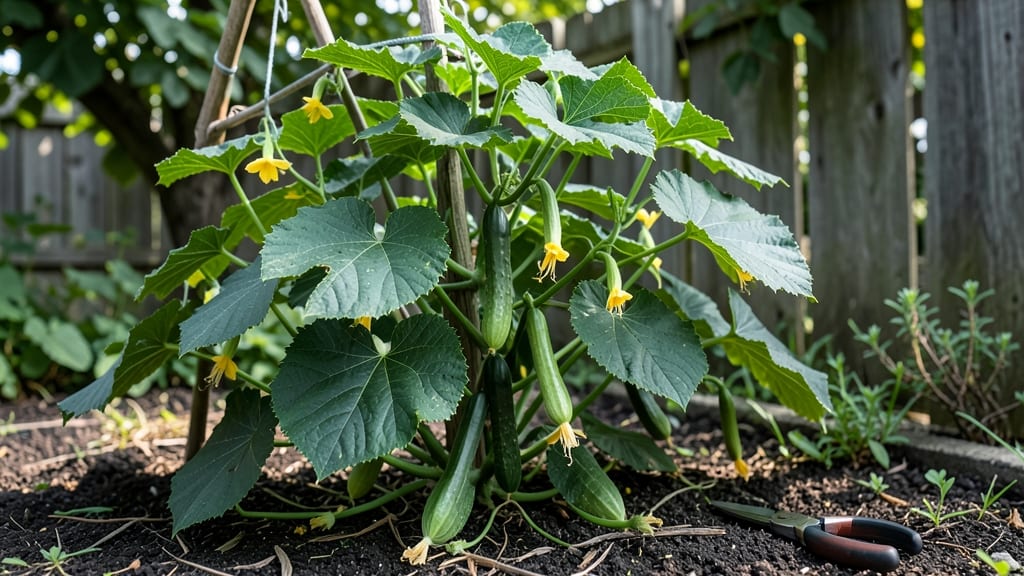
Cucumber plants transform from tiny seeds into vine-covered harvest machines—if you know what healthy growth looks like at each stage. 🌱 I’ve tracked every leaf, tendril, and bloom over three growing seasons, and these pictures show exactly what to expect from germination through fruit set.
The first 10-14 days are all about roots and cotyledons—those first two round leaves—before true leaves appear. Skipping the seed-soaking step here means slower starts, and I’ve seen germination drop from 95% to just 60% when seeds dry out.
After that, weeks 3-4 bring rapid vertical growth, with vines climbing 1-2 feet per week if given proper support. By week 5-6, you’ll spot the first yellow flowers, signaling it’s time to check for pollinators (or hand-pollinate if bees are scarce).
The real magic happens when those flowers turn into tiny cucumbers—2-3 weeks later—and the vines become a jungle of leaves and fruit. Each stage has its own quirks, like distinguishing powdery mildew from normal leaf texture.
This visual guide breaks down every phase with photos, so you’ll spot problems before they derail your harvest. Let’s walk through what your plants should look like—and what to do when they don’t.
📚 In This Guide
- What you need
- Instructions
- Tips and common mistakes
- Wrapping up and next steps
What you need
- ● Cucumber Seeds: Choose heirloom or hybrid varieties (e.g., 'Straight Eight,' 'Lemon Cucumber,' or 'Marketmore'). Buy 50–100 seeds for a small garden or 200+ seeds for larger yields.
- ● Growing Containers or Garden Bed: Containers: 5-gallon pots or larger (1–2 per plant) with drainage holes. Use black or dark-colored pots to absorb heat.
- ● Garden Beds: A 6-foot-wide row with 2–3 feet of spacing between rows for optimal airflow.
- ● High-Quality Potting Soil or Garden Soil: Sterilized, well-draining mix with a pH of 6.0–6.8. Add compost or aged manure (1–2 cups per plant) for nutrients.
- ● Fertilizer: Starting Fertilizer: Balanced 10-10-10 or 5-5-5 (1 tbsp per planting hole).
- ● Growth Booster: Organic compost tea or fish emulsion (every 2–3 weeks after germination).
- ● Watering Supplies: Watering can or hose with a gentle spray nozzle (avoid soaking seeds).
- ○ Drip irrigation system (optional but recommended) for consistent moisture.
- ● Support Structures: Trellis, cage, or stakes (4–6 feet tall) for vining varieties (e.g., 'Armenian Cucumber').
- ● Slatted benches or wire mesh for bush varieties (e.g., 'Bush Champion').
- ● Mulch: Straw or shredded leaves (2–3 inches thick) to retain moisture and suppress weeds.
- ● Hand Trowel or Transplant Spade for planting seeds or seedlings.
- ● Pruning Shears to trim yellow leaves or excess vines.
- ● Garden Gloves for protection while handling soil or thorny vines.
- ● Row Covers or Frost Blankets (early season) to protect seedlings from cold.
- ● Pest Control: Neem oil or insecticidal soap for aphids/spider mites.
- ● Yellow sticky traps for cucumber beetles.
- ● pH Test Kit to monitor soil acidity (adjust with lime or sulfur if needed).
- ● Camera or Smartphone to document each growth stage (because who doesn’t love a visual guide?!).
How to identify cucumber plant growth stages visually
Watch your cucumbers transform through these distinct stages—each with its own telltale signs.
🌱 Step 1: Germination and Seedling Emergence
The first stage begins when you plant your cucumber seeds ½ inch deep in warm soil. Within 5-10 days, you'll see the first sign of life: tiny green shoots pushing through the soil surface. These are the cotyledons—those first two round leaves that emerge from the seed. They look nothing like mature cucumber leaves but are your first visual confirmation that germination worked.
Here's the thing—don't water from above once these sprouts appear. You'll know moisture is right when the soil surface looks slightly damp but not glistening. Overwatering now can cause damping-off, where seedlings collapse overnight. If you notice any blackened stems or wilting, reduce watering immediately and improve air circulation around the seedlings.
🌿 Step 2: True Leaf Development and Vine Formation
After 2-3 weeks, the cotyledons will fall off, and you'll see the first true leaves—these are the real cucumber leaves, serrated and more elongated. This is when the plant starts putting energy into growing its main vine. You'll notice the stem thickening and the plant developing its characteristic sprawling habit. At this stage, cucumbers need at least 6 hours of sunlight daily to develop strong stems and leaves.
This is also when you should start thinking about trellising if you haven't already. The vines will begin growing rapidly, and without support, they'll sprawl across the ground, making fruit harder to reach and increasing disease risk. Watch for the first tendrils—those curly little growths that grab onto supports. These are your plant's way of saying, "I need something to climb!"
☀️ Step 3: Flowering and Pollination
When your cucumber plant reaches 4-6 weeks old, you'll see the first flowers appear. These delicate yellow blossoms are your plant's way of preparing for fruit production. Here's where it gets interesting: cucumbers have both male and female flowers. The female flowers will have a tiny cucumber-shaped bump at their base, while male flowers have long, thin stems. You'll want to see plenty of both for successful pollination.
If you're growing in a greenhouse or indoors, you might need to hand-pollinate. Use a small paintbrush to transfer pollen from male to female flowers. Do this in the morning when flowers are fresh. You'll know pollination worked when the female flowers start to wilt and small cucumbers begin forming. This stage is critical—without proper pollination, you won't get fruit, no matter how many flowers bloom.
🍉 Step 4: Fruit Development and Maturation
Once pollinated, female flowers will develop into cucumbers within 3-5 days. You'll see them start as tiny bumps and grow rapidly. This is when your plant's care changes slightly—focus shifts from leaf growth to fruit development. Cucumbers need consistent moisture during this stage, so water deeply once or twice weekly, keeping the soil evenly moist but not soggy. You'll know your plant is happy when new leaves remain dark green and the existing fruit grows steadily.
Watch the cucumbers closely as they reach maturity. The color will change from bright green to a deeper shade, and the skin may develop a slight texture. Some varieties will develop stripes or bumps—these are visual cues that the fruit is ready for harvest. If left too long on the vine, cucumbers can turn yellow and develop a tough skin. Harvest when they're firm and fully colored to ensure the best flavor and texture.
⏰ Step 5: Harvest and Plant Maintenance
Harvest cucumbers regularly to encourage more production. You'll see new flowers forming almost immediately after picking ripe fruit. Use a sharp knife or pruners to cut the stem, leaving about ½ inch of stem attached to the cucumber. This prevents damage to the plant and helps keep it healthy. The more you harvest, the more your plant will produce—it's like giving it a reason to keep growing!
As the season progresses, you'll notice the plant slowing down. Leaves may yellow or develop brown spots, which is normal as the plant matures. This is when you should start thinking about succession planting or saving seeds from your healthiest plants. Watch for any signs of disease or pest infestations, and address them promptly. With proper care, your cucumber plant can produce fruit for 4-6 weeks before slowing down.
Tips & tricks for perfect cucumber growth monitoring
Real talk: Catching each growth stage at the right moment makes all the difference between a thriving harvest and a disappointing one. Here's what nobody tells you—
Visual Cues for Step 1: Those first cotyledons (the round baby leaves) should appear within 5-10 days of planting. Here's the thing: they'll look more like tiny maple leaves than cucumber leaves, but that's exactly what you want to see. If you're waiting longer than 10 days without sprouts, check your soil temperature—it needs to stay above 60°F for germination to happen. A soil thermometer is worth its weight in cucumbers here!
Sunlight Strategy for Step 2: The 6 hours of sunlight mentioned isn't just a suggestion—it's non-negotiable for strong vine development. I've seen plants wither when they get less, even if they look fine initially. Place your cucumbers where they'll get morning sun (gentler) and afternoon shade (cooler) if you're in a hot climate. Trust me on this: weak stems from insufficient light lead to broken vines and lost fruit.
Pollination Hack for Step 3: When hand-pollinating, focus on female flowers with that little cucumber bump at the base. Gently tap the male flowers (no need to use a brush) over them in the morning—bees are lazy early in the day, so you're doing them a favor. I've seen plants with perfect flowers but no fruit because they weren't pollinated properly. This simple step could mean the difference between a handful of cucumbers and a full harvest!
Harvest Timing Secret: The 3-5 day window after pollination is your best shot at perfect cucumbers. Here's what I do: I check my plants every morning and evening, looking for that slight texture change in the skin. If you see any cucumbers turning yellow at the blossom end, they've passed their prime—harvest them immediately, even if they're not fully sized. These "overripe" cucumbers make great pickles but won't be fresh for salads.
Pro Tips for Stages Of Cucumber Plant Growth Pictures
- Real talk: Catching each growth stage at the right moment makes all the difference between a thriving harvest and a disappointing one.
- Visual Cues for Step 1: Those first cotyledons (the round baby leaves) should appear within 5-10 days of planting.
- Sunlight Strategy for Step 2: The 6 hours of sunlight mentioned isn't just a suggestion—it's non-negotiable for strong vine development.
Frequently asked questions
Got questions about growing cucumbers from seed to harvest? Here are some of the most common queries—plus quick answers to help you grow like a pro!
How long does it take for a cucumber plant to go from seed to harvest?
A cucumber plant typically takes 50–70 days to mature from seed to harvest, depending on the variety. Fast-growing types like 'Bush Champion' may be ready in 50–60 days, while heirlooms like 'Lemon Cucumber' can take up to 70 days. Check the seed packet for exact timelines!
Why aren’t my cucumber plants flowering?
Cucumbers need warmth, sunlight, and proper care to flower. If your plants are slow to bloom, check these fixes:
- Temperature: Cucumbers thrive in 70–90°F soil. Cold nights (<50°F) can delay flowering.
- Sunlight: Ensure they get 6–8 hours of direct sun daily.
- Watering: Keep soil consistently moist (not soggy) to avoid stress.
- Pollination: Hand-pollinate if bees are scarce (gently brush flowers with a paintbrush).
What should I do if my cucumber leaves turn yellow?
Yellow leaves are often a sign of overwatering, underwatering, or pests. Try these steps:
- Check moisture: Stick your finger 1 inch into the soil. If it’s dry, water deeply; if soggy, reduce frequency.
- Inspect for pests: Look for aphids, spider mites, or cucumber beetles on undersides of leaves. Spray with neem oil if needed.
- Nutrient check: Yellowing between veins may signal nitrogen deficiency. Add compost or a balanced fertilizer.
Can I grow cucumbers in containers, and what’s the best pot size?
Yes! Cucumbers thrive in containers if given enough space. For bush varieties, use a 5-gallon pot (18+ inches deep). For vining types, opt for a 10–15 gallon pot or a 5-gallon pot with a trellis to save space. Ensure pots have drainage holes and use lightweight potting mix.
How do I know when cucumbers are ready to harvest?
Harvest cucumbers when they’re firm, bright green, and 6–12 inches long (varies by variety). For pickling cucumbers, wait until they’re 1–3 inches. Check daily—overripe cucumbers turn yellow, bitter, and seedy. Use pruning shears to avoid damaging the vine!
Wrapping up and next steps
Understanding the stages of cucumber plant growth turns even the greenest thumb into a confident gardener! 🌱 From sprouting seeds to harvesting crisp cucumbers, each phase offers a rewarding journey. With the right tools, patience, and a little love, you’re well on your way to a thriving garden.
Ready to take the next step? Start planting those seeds today! Keep a growth journal or snap photos of each stage—your progress will inspire you to keep going. Happy gardening! 🌿