
Pests and Diseases
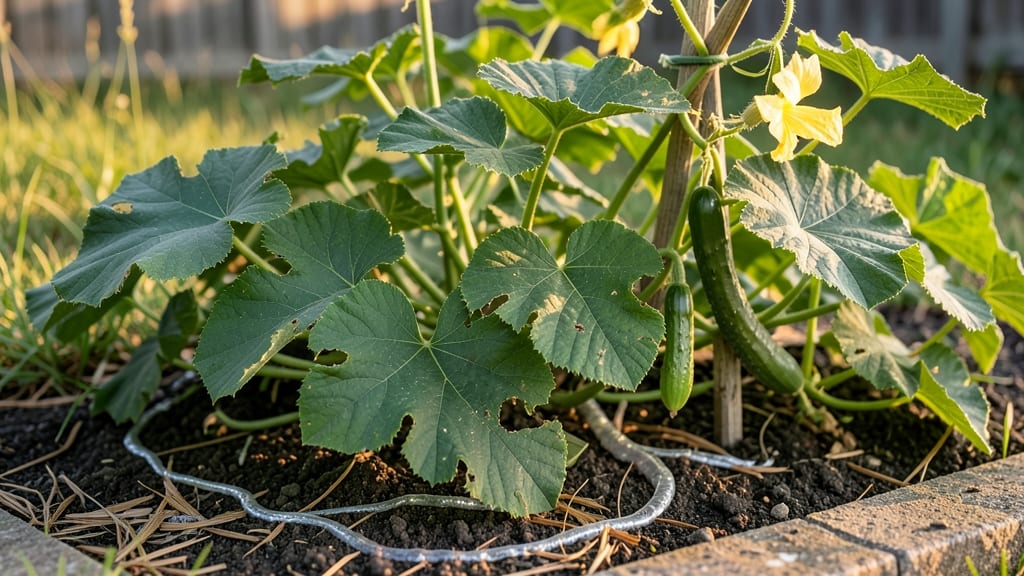
Something is eating my cucumber leaves—and it’s costing you more than just a few ragged edges. 🌿 The culprits are often sneaky, but once you spot the damage (skewered holes, slime trails, or chewed stems), you can act fast to save your harvest.
I’ve lost entire vines to these pests, but these tricks work every time.
Cucumber beetles leave behind jagged holes and yellowed leaves, while slugs create shiny slime trails and overnight disappearances. Aphids cluster on undersides, sucking sap and leaving curled, sticky leaves. Deer? They’ll strip your plants in minutes. The key is acting within 24-48 hours—before the damage spreads.
You’ll learn how to identify each pest by their damage patterns, then use natural remedies like neem oil, diatomaceous earth, or companion plants (basil, marigolds) to keep them away. No more helplessly watching your plants get devoured—just targeted, organic solutions that actually work.
Works for backyard gardens, containers, or even balcony setups. Let’s turn those chewed leaves into a thing of the past—starting with the right diagnosis and quick fixes.
Root Causes of Leaf Damage
When you spot ragged, skeletonized, or disappearing cucumber leaves, it’s not just bad luck—it’s a sign that something is actively munching on your plants. Understanding why this happens is the first step to stopping the destruction.
Below, we break down the most common culprits and the science behind their leaf-eating habits.
Most leaf damage in cucumbers is caused by insects, each with its own unique appetite and behavior. These pests don’t just nibble—they can defoliate entire plants if left unchecked. Here’s how they do it:
🥬 Cucumber Beetles: The Chewing Menace
These striped or spotted beetles (both Acalymma vittatum and Diabrotica undecimpunctata) are notorious for chewing irregular holes in leaves, stems, and even fruits. They don’t just eat—they also spread bacterial wilt, a deadly cucumber disease.
- Why they attack: Adult beetles seek out young, tender cucumber leaves as a food source, especially in warm weather (70–85°F). Their larvae, called rootworms, burrow into stems and roots, weakening the plant further.
- Science behind it: Cucumber beetles have specialized mouthparts designed for scraping and chewing plant tissue. Their saliva contains enzymes that break down plant cells, making leaves easier to consume.
- Actionable clue: Look for serrated, jagged edges on leaves and tiny black or yellow beetles hiding underneath.
🐛 Spider Mites: The Silent Suckers
Tiny (1/50th of an inch!) but devastating, spider mites don’t chew—they pierce leaves with their stylets to suck out sap. This causes stippling (tiny white or yellow dots) and eventual leaf yellowing or death.
- Why they attack: These arachnids thrive in hot, dry conditions and multiply rapidly (up to 200 eggs in a lifetime!). They target stressed plants, often moving in after other pests have weakened the foliage.
- Science behind it: Spider mites inject toxins into leaves as they feed, triggering oxidative stress in plant cells. This disrupts photosynthesis, leading to the telltale yellowing.
- Actionable clue: Check the underside of leaves for fine webbing and tiny red or yellow specks moving when disturbed.
🐛 Slugs and Snails: The Nighttime Nomads
These slimy gastropods are most active at night or in damp weather, leaving behind large, irregular holes with a silvery slime trail. Unlike insects, they don’t discriminate—they’ll eat anything soft, including young seedlings.
- Why they attack: Slugs and snails are drawn to moist, shaded areas with high humidity. They prefer cucumbers because the leaves are succulent and low to the ground, making them easy access.
- Science behind it: Their radula (a tongue-like structure with thousands of teeth) scrapes plant tissue, leaving behind a smooth, wet edge. They also excrete calcium-rich mucus, which can alter soil pH around the plant.
- Actionable clue: Look for glossy, slime-covered trails on leaves or soil in the early morning.
Not all leaf damage comes from chewing or sucking pests—some is caused by pathogens that thrive in the same conditions as hungry insects. These microbes often enter through wounds (like beetle bites) and accelerate decay.
🍄 Downy Mildew: The Fuzzy Threat
This fungal disease (Pseudoperonospora cubensis) causes yellow, oily spots on the upper leaf surface and purple-gray fuzz on the underside. It’s spread by water droplets and thrives in humid conditions.
- Why it spreads: Fungal spores germinate on leaf surfaces when temperatures are 60–75°F and humidity is high. Insects like aphids can also vector the spores from plant to plant.
- Science behind it: The fungus penetrates leaf cells, disrupting their ability to photosynthesize. Infected leaves eventually crisp and die, leaving the plant vulnerable to secondary pests.
- Actionable clue: Look for angular, yellow patches (often between leaf veins) and fuzzy growth on the underside.
🦠 Bacterial Leaf Spot: The Waterborne Menace
Caused by Xanthomonas campestris, this bacterial disease creates small, water-soaked spots that turn brown and drop out, leaving shot-hole patterns. It spreads via rain, wind, or contaminated tools.
- Why it spreads: Bacteria enter through wounds (like insect bites or physical damage) and multiply in wet conditions. Once established, they clog plant vascular systems, stunting growth.
- Science behind it: The bacteria produce enzymes that break down plant cell walls, leading to necrosis (dead tissue). Unlike fungi, bacteria don’t need a host to survive long-term in soil or water.
- Actionable clue: Spot halo-like yellow rings around brown, crumbling spots—often on older leaves first.
Sometimes, leaf damage isn’t caused by pests or diseases at all—it’s a symptom of environmental stress that makes plants more susceptible to attack. Healthy cucumbers are resilient, but poor conditions leave them weak and tasty to predators.
💧 Overwatering or Poor Drainage
Soggy soil invites slugs, fungal growth, and root rot, which weakens the plant’s immune response. Overwatered leaves also become soft and easy targets for chewing insects.
- Why it matters: Waterlogged roots can’t absorb nutrients, leading to chlorosis (yellowing) and stunted growth. Weak plants produce less defensive compounds like cucurbitacins, which naturally deter pests.
- Actionable fix: Ensure cucumbers have well-draining soil and water only at the base (avoid wetting leaves to prevent fungal spread).
☀️ Heat and Drought Stress
Extreme heat or drought causes cucumbers to wilt and drop leaves prematurely, making them more attractive to pests like spider mites. Stressed plants also can’t recover from damage as quickly.
- Why it matters: Under drought conditions, cucumbers reduce sap production, making leaves less nutritious but more prone to cracking—inviting bacterial entry.
- Actionable fix: Mulch around plants to retain moisture and provide shade cloth during heatwaves (85°F+).
🌱 Nutrient Deficiencies
Lack of key nutrients (like nitrogen, magnesium, or potassium) weakens leaves, making them easier targets for pests. For example, magnesium deficiency causes interveinal
Quick Fixes for Chewed Cucumber Leaves
Now that you’ve identified the culprit gnawing on your cucumber leaves—whether it’s slugs, beetles, caterpillars, or deer—it’s time to act! The good news? Most of these pests can be managed with a mix of targeted treatments and preventive strategies that won’t break the bank or harm your plants.
Below, we’ll break down practical solutions for each common offender, plus tips to keep your cucumbers thriving long-term.
Signs: Silvery slime trails, ragged holes, and missing leaves overnight.
🔥 Immediate Action: Trap and Remove
- 🍳 Beer Trap: Bury a shallow dish (like a yogurt cup) filled with beer near the plants. Slugs are drawn in and drown—no chemicals needed!
- 👨🍳 Copper Barrier: Wrap copper tape around pots or garden beds.
The slight electric charge (from slugs’ slime) repels them. Pro tip: Bend the tape slightly to create a "fence" effect. - 🥘 Handpicking at Night: Slugs come out after dark. Shine a flashlight and pick them off with gloves or drop them into soapy water.
🌡️ Long-Term Prevention
- 💡 Mulch Smartly: Use sharp-edged mulch (like crushed eggshells or diatomaceous earth) to deter slugs from crawling over soil.
- ✨ Plant Deterrents: Interplant cucumbers with garlic, thyme, or mint—slugs avoid these strong scents.
- 🎯 Water Wisely: Avoid overwatering; slugs thrive in damp conditions.
Water early in the day so soil dries faster.
Signs: Jagged holes, yellow beetles zipping away, or wilting vines (they spread bacterial wilt).
🔪 Physical Removal
- 🍳 Handpick Daily: Check leaves early morning or evening when beetles are sluggish. Drop them into soapy water to kill them instantly.
- 🥘 Row Covers: Use floating row covers (lightweight fabric) over young plants to block beetles while allowing pollination.
💪 Chemical-Free Sprays
- 🌡️ Neem Oil Spray: Mix 1 tsp neem oil + 1 tsp mild soap + 1 quart water. Spray every 3–4 days to disrupt their life cycle.
- 🎯 Diatomaceous Earth: Sprinkle food-grade DE around the base of plants.
It’s non-toxic but deadly to beetles’ waxy exoskeletons.
🔥 Prevention for Next Season
- 💡 Rotate Plant Locations: Beetles overwinter in soil—move cucumbers to a new spot yearly.
- ✨ Trap Crops: Plant radishes or nasturtiums nearby; beetles prefer these over cucumbers.
Signs: Sticky honeydew residue, yellowing leaves, or tiny black bugs clustering on stems.
🔥 Targeted Sprays
- 🍳 Soap Spray: Mix 1 tbsp castile soap + 1 quart water. Spray directly on bugs (avoid blooms to protect pollinators).
- 🥘 Kaolin Clay: Dust plants with Surround WP (kaolin clay). It coats bugs, blocking their ability to feed.
🌡️ Manual Control
- 👨🍳 Scrape Off Eggs: Check the undersides of leaves for tiny yellow eggs. Scrape them into soapy water.
- 🎯 Drop Cloth: Place a white sheet under plants and shake them gently. Bugs fall onto the cloth—dispose of them.
💡 Prevention Tips
- ✨ Early Monitoring: Inspect plants weekly for signs of eggs or nymphs.
- 🔥 Beneficial Insects: Encourage ladybugs and lacewings—they devour squash bugs naturally.
Signs: Large, clean-edged bites (deer) or smaller, irregular holes (rabbits).
🔪 Physical Barriers
- 🍳 Fencing: Install 8-foot tall fencing for deer or 2-foot chicken wire buried 6 inches deep for rabbits.
- 🥘 Repellent Sprays: Use hot pepper wax or commercial deer repellents (like Liquid Fence). Reapply after rain.
🌡️ Plant Deterrents
- 💡 Strong-Scented Plants: Surround cucumbers with rosemary, lavender, or foxglove—deer dislike these smells.
- ✨ Motion-Activated Sprinklers: Devices like ScareCrow startle animals with water sprays.
🎯 Long-Term Solutions
- 🔥 Garden Layout: Avoid planting cucumbers near wooded edges (deer highways) or brush piles (rabbit hideouts).
- 💪 Companion Planting: Marigolds and garlic can help deter both deer and rabbits.
- 💡 Rotate Crops: Avoid planting cucumbers in the same spot yearly to break pest cycles.
- 🌡️ Healthy Soil = Strong Plants: Use compost and balanced fertilizer to boost cucumber resilience.
- ✨ Early Intervention: Catch pests before they multiply—a few beetles are easier to handle than an infestation!
Remember: The key to saving your cucumbers is consistency. Combine one immediate fix (like traps or sprays) with preventive habits (like barriers or companion planting) for the best results. Happy gardening—and may your cucumbers stay leafy, lush, and pest-free! 🥒🌿
Frequently asked questions
Why do my cucumber leaves get eaten faster at night?
Most nighttime leaf munchers—like slugs, snails, and some caterpillars—are nocturnal. These pests avoid daytime heat and predators, so they strike after dark. Check for silvery slime trails (slugs) or chewed edges (caterpillars) in the morning. A simple beer trap or copper barrier can stop them overnight.
Can I use coffee grounds to protect my cucumbers?
Yes! Coffee grounds are a natural slug and snail deterrent thanks to their strong scent. Sprinkle used grounds around plant bases (not directly on leaves) to create a protective barrier. They also improve soil health by adding nitrogen. Reapply after rain to maintain effectiveness.
What’s the fastest way to tell if deer are eating my leaves?
Look for clean, jagged edges on leaves—deer have sharp teeth and don’t chew like insects. You’ll often find large patches completely stripped, especially near garden edges. Set up motion-activated sprinklers or plant deer-resistant marigolds nearby for immediate protection.
Will neem oil work if my cucumbers are already heavily infested?
Neem oil is most effective as a preventive measure, but it can still help with existing infestations. For heavy damage, mix 1 tsp neem oil + 1 tsp soap + 1 quart water and spray every 2-3 days for 2 weeks. It disrupts pests’ life cycles but won’t kill mature beetles instantly—combine with handpicking for best results.
Are there any pests that actually help my cucumbers?
Ladybugs, lacewings, and parasitic wasps are natural pest predators that protect your plants. Attract them by planting dill, fennel, or yarrow nearby and avoiding pesticides. These beneficial insects will hunt aphids, spider mites, and other cucumber pests while leaving your plants unharmed.