
Picking
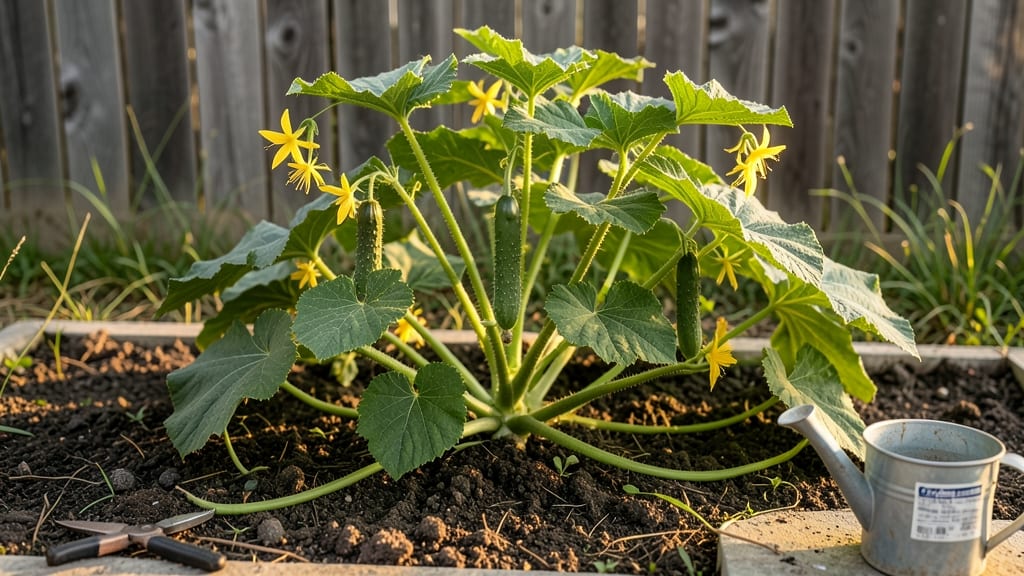
Those tiny cucumber prickles might feel like nature’s way of saying "hands off," but they don’t have to ruin your harvest. ✨ I’ve spent years experimenting with cucumber varieties and removal techniques—here’s how to keep your fingers intact while preserving that crisp, fresh texture you love.
Prickles develop as a natural defense mechanism, but they’re not harmful to humans—just annoying to handle. The good news? Some varieties, like 'Lemon Cucumber' or 'Straight Eight,' produce fewer prickles, while others, like 'Boston Pickling,' can be especially spiky.
If you’re growing heirlooms or wild types, expect more prickles—it’s part of their genetic makeup.
For gentle removal, I’ve found that a quick rinse under cool water softens the prickles enough to rub them off with a damp cloth or even a soft-bristle brush.
Avoid peeling—they’ll regrow! If you’re dealing with a heavy harvest, consider wearing thin gardening gloves during picking to protect your skin while keeping the cucumbers intact.
Prickles don’t affect taste or storage life, but they can make slicing and prepping a hassle. Once removed, store cucumbers in a perforated bag in the fridge for up to a week, or keep them whole in the crisper drawer for longer shelf life.
The key is working with the plant—not against it.
Natural Triggers Behind Prickly Cucumbers
Those tiny, sharp prickles on cucumbers aren’t just a textural quirk—they’re a plant’s built-in defense system. Understanding why they develop helps you grow (or buy) smoother-skinned cucumbers and handle them safely. Here’s a breakdown of the science behind those pesky spikes.
Some cucumber varieties are simply bred to have prickles. These hereditary spikes serve as a natural deterrent against pests like aphids, cucumber beetles, and even curious animals.
If you’re growing heirloom or wild-type cucumbers, their prickliness is hardwired into their genetics—just like how some apples are tart while others are sweet.
💡 Pro Tip: If you prefer smooth cucumbers, opt for hybrid varieties like ‘Straight Eight’ or ‘Marketmore’, which are bred to minimize prickles. Check seed packets for descriptors like “smooth-skinned” or “spineless.”
Cucumbers grow prickles as a stress response to environmental factors. When plants face:
- Heat waves: High temperatures trigger the production of more prickles as a way to reflect sunlight and reduce water loss. Think of it like a plant sweating out defenses!
- Drought conditions: Water scarcity forces cucumbers to allocate energy toward survival—prickles become a secondary priority (but they still pop up).
- Poor soil nutrition: A lack of nitrogen, phosphorus, or potassium can weaken the plant, making it more prone to developing prickles as a last-ditch protection.
🌡️ Actionable Fix: Keep soil consistently moist (1–2 inches deep) and use a balanced fertilizer (like 10-10-10) to reduce stress. Mulching with straw or grass clippings helps retain moisture and cool roots.
When cucumbers detect pests like Spodoptera caterpillars or Acalymma vittatum (striped cucumber beetles), they release jasmonic acid, a plant hormone that signals danger. This hormone prompts the plant to grow more prickles—essentially turning the cucumber into a spiky fortress.
🔍 Signs of Pest Stress:
Pest
What to Watch For
Solution
Cucumber beetles
Holes in leaves, yellowing edges
Use row covers or neem oil spray
Aphids
Sticky residue (honeydew), curled leaves
Blast off with water or introduce ladybugs
Caterpillars
Chewed leaves, frass (poop) on fruit
Handpick or use BT (Bacillus thuringiensis)
🎯 Prevention Tip: Rotate crops yearly and interplant cucumbers with basil or marigolds to repel pests naturally.
Cucumbers produce ethylene gas as they mature, which regulates ripening and senescence (aging). However, if ethylene levels spike due to:
- Overcrowded vines (poor air circulation)
- Physical damage (like hail or rough handling)
- Excessive heat
...the plant may overproduce prickles as a compensatory mechanism. Think of it like a plant’s immune system going into overdrive.
✨ Growth Hack: Prune vines to improve airflow and avoid over-fertilizing with nitrogen-heavy amendments (like manure), which can disrupt hormonal balance.
Fixing cucumber prickles safely
Now that you understand why those tiny cucumber spines appear, let’s tackle how to remove them without irritating your skin or ruining your harvest. The good news? Most prickles are harmless, but if they’re causing discomfort—whether you’re handling fresh cucumbers or prepping them for recipes—these solutions will help.
---
If you’ve already gotten a prickly surprise while slicing or peeling, don’t panic! Here’s how to ease the sting:
#### 🧼 Wash and Soothe Irritation First 1. Rinse with cool water – This helps calm any minor irritation or redness. 2. Apply a cold compress – Wrap an ice cube in a cloth and hold it on the area for 5–10 seconds to reduce swelling.
3. Use a mild antiseptic – A dab of hydrogen peroxide (3%) or rubbing alcohol can prevent infection if the prickles broke the skin.
#### 🧴 Soothe the Skin - Aloe vera gel – Reduces redness and itching naturally. - Hydrocortisone cream (1%) – Helps with itching if you’re prone to reactions. - Baking soda paste – Mix with water and apply for 5 minutes to neutralize any mild irritation.
✨ Pro Tip: If the prickles caused a small puncture, monitor the area for 24 hours. If redness or pain worsens, see a doctor.
---
Even if your skin isn’t affected, prickles can be a nuisance while prepping. Here’s how to work with them:
#### 🔪 Safe Peeling and Slicing Techniques 1. Use a vegetable peeler – Glide it gently over the cucumber to strip off the skin and prickles in one motion. 2. Run under warm water first – Soaking the cucumber for 5 minutes softens the skin, making peeling easier.
3. Wear thin gloves – Latex or nitrile gloves (like food-safe gardening gloves) protect your hands while slicing.
#### 🥘 Quick Fix for Whole Cucumbers If you’re prepping a whole cucumber (like for salads or snacks): - Roll it on a cutting board – Press firmly with the flat side of a knife to break the prickles before peeling. - Use a damp paper towel – Wrap the cucumber in one and rub gently to dislodge spines before cutting.
---
If you grow cucumbers, you can minimize prickles with these pre-harvest tips:
#### 💡 Choose the Right Variety Some cucumber types have fewer prickles naturally: - Lemon cucumbers (e.g., ‘Lemon’ or ‘Boston Pickling’) - English (hothouse) cucumbers (smoother skin) - Parthenocarpic varieties (self-pollinating, often less prickly)
#### 🌡️ Optimize Growing Conditions Prickles can worsen under stress. Keep plants happy with: - Consistent watering – Drought stress = more prickles. - Balanced fertilizer – Too much nitrogen = soft, prickly skin.
Use a 5-10-10 or 3-4-6 formula instead. - Proper spacing – Overcrowded plants compete for nutrients, leading to pricklier fruit.
#### 🎯 Harvest at the Right Time - Pick young cucumbers – The smaller and firmer, the fewer prickles. - Use a sharp knife or shears – Twisting can damage the vine and stress the plant, encouraging prickly growth.
--- - ❌ Don’t rub with sandpaper or steel wool – This can leave micro-tears in your skin, increasing irritation. - ❌ Avoid harsh scrubs – Soap or abrasive cleaners can worsen prickly reactions. - ❌ Don’t ignore garden stress – Yellowing leaves or wilting?
Fix the issue fast to prevent prickly surprises later.
--- By following these steps, you’ll handle cucumber prickles like a pro—whether you’re in the kitchen, garden, or just trying to enjoy a crisp snack without the ouch! 🥒✨
Frequently asked questions
Are cucumber prickles harmful to eat?
No, cucumber prickles are completely safe to eat—they're just tiny, sharp outgrowths made of cellulose. They don't affect flavor or texture when consumed, though they can be uncomfortable to chew. Most people accidentally swallow them without noticing, especially in finely chopped or blended dishes.
Why do some cucumbers have more prickles than others?
Prickles develop as a natural defense mechanism, but their density varies by variety and growing conditions. Heirloom and wild-type cucumbers tend to be spikier, while modern hybrids like 'Straight Eight' are bred to be smoother. Environmental stress (drought, heat, or pest attacks) also triggers more prickle production.
Will removing prickles damage the cucumber?
Not if done gently! Lightly rubbing with a damp cloth or vegetable peeler removes prickles without harming the skin. Avoid aggressive methods like sandpaper or steel wool, which can create microscopic tears. For storage, leave prickles intact—they won't affect shelf life or taste.
Can I prevent prickles by fertilizing differently?
Yes! Over-fertilizing with nitrogen-heavy amendments (like manure) can actually increase prickles. Use a balanced 5-10-10 fertilizer instead, and focus on consistent moisture. Well-hydrated plants with proper spacing produce fewer prickles naturally.
Do prickles affect how long cucumbers last?
No, prickles don't impact storage life at all. Whole cucumbers with prickles store just as long as smooth ones—up to 2 weeks in the fridge. For longer storage, keep them unwashed in a perforated bag in the crisper drawer to maintain freshness.