
Planting
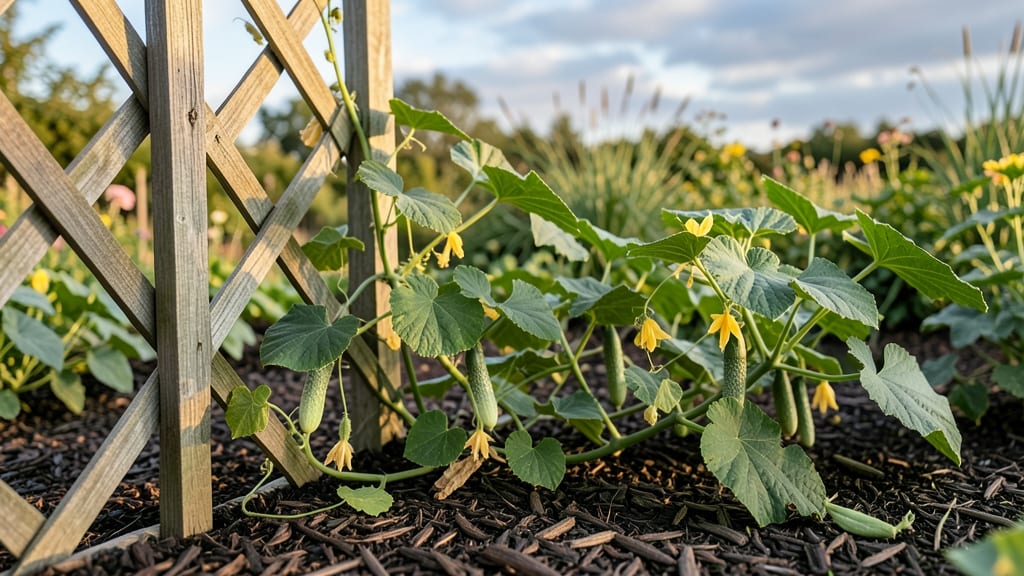
Understanding lemon cucumber plant stages helps you track their development from seed germination to harvest, with each phase—sprouting, vine growth, flowering, and fruiting—lasting about 50-70 days total. Paying attention to these stages maximizes your chances of a bountiful harvest.
Lemon cucumbers move through four key growth phases, each requiring slightly different care. 🌱 The germination stage starts within 5-10 days of planting, where tiny sprouts emerge from the soil. This is when consistent moisture and warmth are critical—too dry, and seeds won’t sprout; too cold, and growth stalls.
Once sprouted, the vine development phase kicks in, where vines spread rapidly and leaves expand, needing strong support like trellises to prevent breakage.
After about 3-4 weeks, you’ll notice flowering—small yellow blossoms appear, signaling the plant’s readiness to fruit. This stage demands balanced fertilization to encourage pollination, especially if you’re growing indoors where bees might be scarce.
Finally, the fruiting stage begins, where lemon cucumbers grow quickly, reaching harvest size in just 7-10 days. Pruning excess flowers can actually boost fruit production by redirecting the plant’s energy.
💡 In This Article
- Key Lemon Cucumber Growth Stages Explained
- Tips for Supporting Lemon Cucumber Growth at Every Stage
Key lemon cucumber growth stages explained
The journey of a lemon cucumber plant begins with germination, where seeds absorb moisture and swell within 24-48 hours before sprouting. This stage occurs best at soil temperatures between 70-90°F, where enzymes activate to break down seed reserves.
You'll notice tiny radicles (rootlets) emerging first, followed by the shoot breaking through the soil surface in 5-10 days. The seedlings appear delicate with soft, rounded cotyledons (first true leaves) that photosynthesize to fuel early growth. 🌱
Once sprouted, the plant enters vegetative growth, where vines elongate at an astonishing rate of 1-2 feet per week under ideal conditions. This rapid expansion demands 6-8 hours of sunlight daily and nutrient-rich soil (pH 6.0-6.8) to support leaf development.
The vines develop tendrils that cling to supports, while leaves grow larger and more complex, transitioning from simple to compound structures. This phase typically lasts 3-4 weeks, with plants reaching 6-8 feet in length if properly trellised.
The flowering stage marks a critical shift as the plant diverts energy from vine growth to reproduction. You'll spot small yellow blossoms appearing in leaf axils, which open in the morning and wilt by afternoon.
These flowers contain both male and female parts, though hand-pollination may be needed in enclosed spaces. Successful pollination leads to the formation of tiny cucumbers within 7-10 days, where the fruit's genetic traits (lemon flavor, small size) become visible through the translucent skin. 🌸
During fruiting, lemon cucumbers grow rapidly—reaching harvest size (2-4 inches) in just 7-10 days—as the plant's energy focuses on fruit development. The plant may produce multiple fruit clusters simultaneously, requiring careful monitoring to prevent overburdening.
The fruit's characteristic lemon flavor develops through chemical compounds like citronellal, which intensifies with proper sunlight exposure. This final stage lasts 4-6 weeks, with continuous harvesting encouraging more production.
What sets lemon cucumbers apart is their parthenocarpic nature—many varieties produce fruit without pollination, making them ideal for indoor growing. The plant's life cycle completes when energy is redirected from old leaves to new growth, creating a continuous harvest window if managed properly.
Understanding these stages helps gardeners provide precise care at each transition point, from moisture control during germination to pollination support during flowering. ✨
Each growth phase reveals the plant's remarkable adaptability. For example, the transition from vegetative to flowering growth is triggered by day length and temperature shifts, with cooler nights (60-65°F) often stimulating flower production.
This biological response explains why late spring plantings often yield more fruit than early ones in cooler climates. 🌿